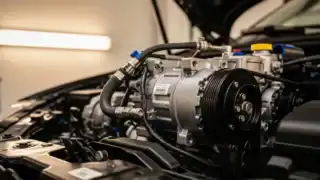
Air conditioning in European vehicles demands precision. When your European vehicle’s air con has lost its cooling power, the issue almost always comes down to refrigerant levels. European vehicles car air con regas in Mitchell restores that cooling capacity by safely removing old refrigerant, checking system integrity, and refilling with the correct specification for your model. Without proper refrigerant, your air con compressor works harder, costs more to run, and can suffer damage that turns a simple regas into an expensive compressor replacement.
Signs Your European Vehicle Needs an Air Con Regas
The symptoms are straightforward to spot. Your air con blows but the air coming out is warm or only slightly cool, even when you’ve had the system running for several minutes. You notice the cooling drops off as the engine works harder, or the system performs well some days and weakly on others. Some European vehicles show refrigerant loss as a slow creep over months; others leak noticeably and need topping up every season.
- Air con output is noticeably warmer than it should be
- Cooling performance fades after the car has been running a while
- The system cycles on and off more frequently than normal
- You hear a hissing or bubbling noise near the compressor area
- The clutch on the compressor pulley does not engage when you turn the air con on
Many European vehicles use different refrigerant specifications than older Australian-market cars. Volkswagen, BMW, Mercedes, and Audi models often require R134a or the newer HFO-1234yf refrigerant, depending on the year and model. Using the wrong specification damages seals, reduces cooling efficiency, and can void warranty coverage on newer vehicles. That’s why regas must be done correctly from the start.
What Happens During a European Vehicles Air Con Regas
We start by connecting diagnostic equipment to your air con system. This reveals the current refrigerant pressure, whether the system is holding vacuum, and whether there are obvious leaks. For European vehicles, this step is essential because many models have integrated diagnostics that flag refrigerant issues through the dashboard warning lights or through the vehicle’s onboard computer.
If the system has low refrigerant, we recover the remaining charge safely using certified equipment, then run a pressure and leak test. A working system should hold vacuum; if it doesn’t, there’s a leak somewhere. Small leaks in seals or hose connections can be identified and sometimes repaired. Larger leaks in the compressor itself or condenser may require component replacement, which we’ll discuss with you transparently before proceeding.
Once we’ve confirmed the system is sound, we refill with the correct refrigerant specification for your European vehicle. We measure the charge precisely according to the manufacturer’s specification, which is typically shown on a decal under the bonnet or in the service manual. The oil in the system is topped up as well, because refrigerant and oil work together to keep the compressor lubricated. Overfilling or underfilling either one reduces cooling performance and shortens compressor life.
The whole process takes between one and two hours for a straightforward regas. If we find a leak or a faulty component, the time and cost will increase, and we’ll explain the situation clearly before we continue.
What Affects the Cost and Duration of Your Regas
Several factors shape how straightforward your regas will be. The first is whether the system is actually leaking. A slow refrigerant loss over years might point to worn seals around the compressor shaft or a small crack in an aluminium line. A sudden loss suggests a larger leak. Finding and fixing a leak adds time and cost, but skipping it means the refrigerant will leak out again within weeks.
The refrigerant specification matters too. Older European vehicles use R134a, which is common and reasonably priced. Newer models, especially post-2017 vehicles from BMW, Mercedes, VW, and Audi, often require HFO-1234yf, a more expensive but environmentally compliant refrigerant. Some European models also need air con oil changes alongside the regas, particularly if the system has been run with low refrigerant for a long time.
We use quality refrigerant and oils, not the cheapest no-name stock. That choice protects your compressor and keeps your cooling reliable. Whether your vehicle needs aftermarket components or OEM-specification parts also affects the final cost, and we’ll give you honest advice about which option makes sense for your vehicle and budget.
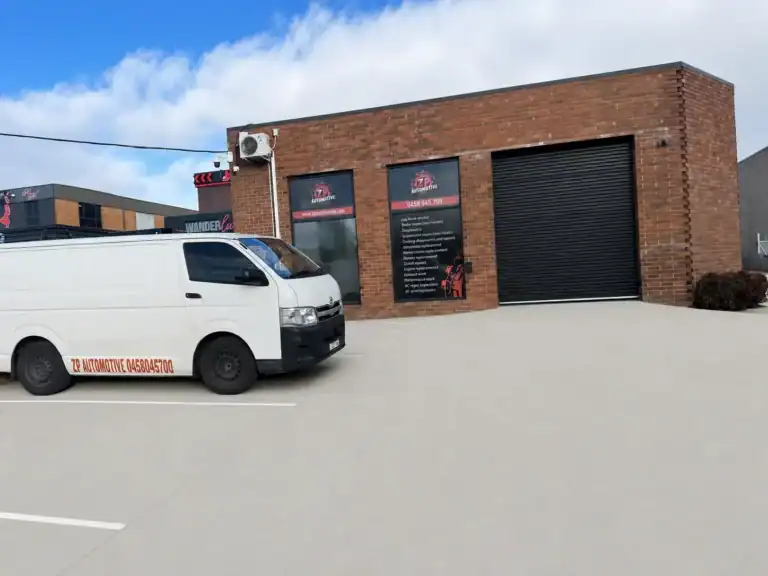
Why Trust ZP Automotive in Mitchell for Your European Vehicle Air Con Regas
European vehicles respond best to mechanics who understand their systems. With over 10 years in the trade, we’ve worked on Volkswagen, Audi, BMW, Mercedes, and other European makes regularly. We diagnose air con faults properly, explain exactly what’s wrong and what it’ll cost, and don’t upsell parts you don’t need. You deal directly with the mechanic doing the work, not a service advisor with a script.
Our diagnostic equipment reads European manufacturer diagnostic data correctly, which means we catch refrigerant issues before they become compressor failures. We source quality Penrite and Rico oils and refrigerants, not the bargain basement stock that degrades quickly. For logbook-serviced European vehicles, we keep your manufacturer warranty intact by using OEM-specification parts and fluids where they matter. Our pricing is fair and transparent, without dealership labour rates.
Book Your European Vehicles Air Con Regas in Mitchell
If your air con is blowing warm or you’re seeing low refrigerant warnings on your dashboard, don’t delay. Cooling loss only gets worse, and running a compressor low on refrigerant will damage it. Call and Book Now or Claim Your Free Inspection online to have your system checked properly. We’ll identify the issue, explain what’s needed, and get your European vehicle running cool again.