Owner-Operated Workshop
Quality Parts & Oils
5.0★ Rating
Transparent Pricing

5.0 (Verified Reviews)

Certified Tailshaft Repair In Mitchell

Vibration through the floor or a clunking driveline points to tailshaft trouble. Our Mitchell workshop diagnoses and repairs the problem properly, so your vehicle drives smoothly and reliably again.

Honest Advice

Quality Parts

5.0★ Rating

Driveline Specialists

Claim Your Free Check

Fill in the form and we'll get back to you promptly — no obligation.

Booking Form
  • Vehicle Details
  • Confirm Vehicle
  • Services
  • Contact Details
No Upsell Scripts
Quality Parts Used
Plain-English Advice

Why Book With Us

Claim Your Free Inspection
Drop Off Your Car
We Get to Work
Back on the Road

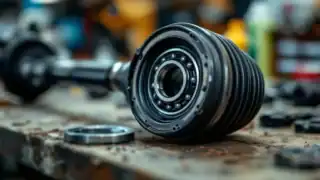
A tailshaft is the spinning steel shaft that sends power from your gearbox to the rear or all-wheel drive of your vehicle. When it wears, vibrates, or starts to fail, you’ll usually feel it before you see it. Tailshaft repair gets that driveline running smooth again, and it’s work we handle regularly here at our Mitchell workshop in north Canberra. Catch the early signs and the fix is often straightforward. Leave it too long and a worn shaft can cause damage further down the line.

What Are the Warning Signs You Need Tailshaft Repairs?

The tailshaft connects to the gearbox and diff through universal joints (the cross-shaped couplings that let the shaft flex as the suspension moves) and a centre bearing on longer two-piece shafts. When any of these wear, the symptoms tend to show up while you’re driving.

  • A vibration through the floor or seat that gets worse as you speed up
  • A clunk when you take off, change gears, or shift between drive and reverse
  • A squeaking or rumbling noise that changes with road speed, not engine speed
  • A regular shudder under acceleration, often felt around 60 to 80km/h
  • Visible grease flung around the underbody near a worn universal joint

Utes, four-wheel drives, and older rear-drive sedans are the vehicles we see most for this. If you do plenty of highway running out along the Barton or Federal Highway, a small vibration can wear a joint quickly. Don’t ignore a clunk that’s getting louder. A universal joint that lets go completely can drop the shaft and leave you stranded.

What Happens During a Tailshaft Repair?

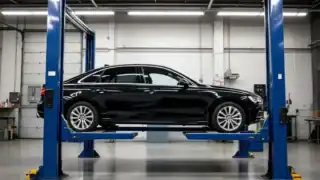
We start by getting the vehicle up on the hoist and checking the whole driveline by hand. The shaft should spin true with no play in the joints. We grab each universal joint and check for movement, inspect the centre bearing where fitted, and look at the slip yoke and flange bolts.

From there, the work depends on what we find:

  • Universal joint replacement if a joint is notchy, seized, or has play in it
  • Centre bearing replacement on two-piece shafts where the rubber mount has perished
  • Balancing if the shaft itself is out of true and causing vibration
  • Checking the surrounding mounts and flanges so a worn part isn’t masking a bigger issue

We use quality parts rather than the cheapest no-name stock, because a driveline component that fails again in six months helps no one. Once the repair is done, we road test the vehicle to confirm the vibration or clunk is gone before it goes back to you. If we spot something else during the inspection, we’ll tell you what it is, what it’ll cost, and whether it can wait.

What Affects the Cost and Time of Tailshaft Work?

Honest answer: it varies, and we’ll always talk you through it before any work starts. A single worn universal joint is a smaller job than a shaft that needs the centre bearing done as well, or one that’s bent and needs balancing. The biggest variables are how many joints are worn, whether the centre bearing is involved, and the make and type of your vehicle.

Parts availability matters too. Common universal joints for popular utes and four-wheel drives are usually easy to get. Less common shafts can take an extra day or two to source the right part. We won’t fit a part that doesn’t suit the job just to save a wait, and we won’t quote you a figure we can’t stand behind. You’ll know the cost before we begin.

Why Have Your Tailshaft Repaired in Mitchell with ZP Automotive?

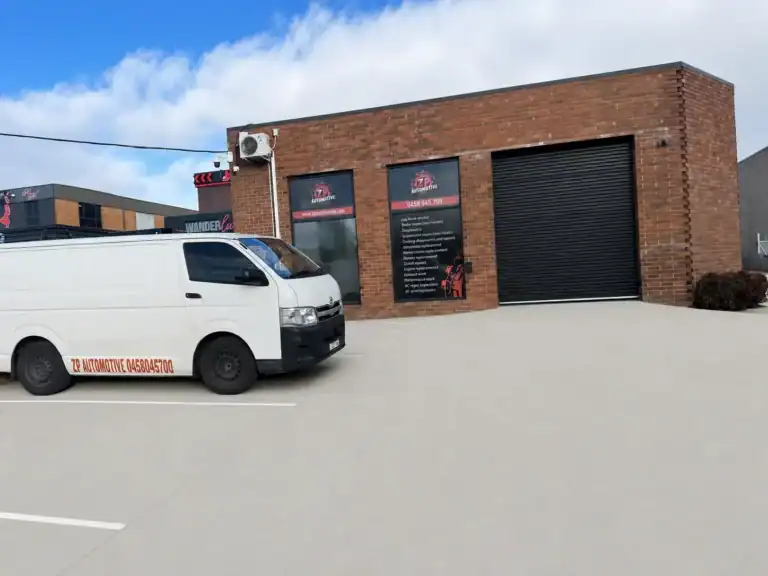
We’re an independent, owner-operated workshop, and Brendan brings more than ten years in the trade to every job on the bench. You deal directly with the mechanic doing the work. No service advisor, no upsell scripts, no dealership labour rates.

Our promise is simple: quality work, honest advice, and a fair price. We explain what’s actually wrong in plain English, what it’ll cost, and what can safely wait. Alongside driveline repairs, we handle brakes, engine diagnostics, logbook servicing that keeps your manufacturer warranty intact, ACT rego inspections, air conditioning servicing, and wrong-fuel and lockout recovery. If you’re not sure whether that vibration is the tailshaft or something else, we’ll find the real cause rather than guessing at parts.

If you’ve noticed a clunk, shudder, or vibration through the floor, use Call & Book Now to book it in, or Claim Your Free Inspection online. We look after drivers across Mitchell and north Canberra, and we’ll get your driveline running smooth again.
Other Services

Whatever your needs we have you covered, see some similar services below or click "See All Services" to explore our full service offering.

Honest Mechanics, Fair Prices in Mitchell

Owner-operated and family-run, we give you straight answers, quality parts, and fair pricing without the dealership markup or the upsell scripts.

You Deal With the Mechanic

Talk directly to the owner — no service advisors, no middlemen, no upsell pressure.

Quality Parts, Honest Pricing

Bring your vehicle in and we’ll assess what’s needed before any work begins.

Honest Assessment Before Any Work

We tell you what’s worn, what can wait, and what needs fixing now.

How Tailshaft Repair Works

Tailshaft repair at ZP Automotive follows a clear four-step process so you know exactly what to expect from inspection to collection.

Step 1

Claim Your Free Inspection

Call and book now or claim your free inspection to get your tailshaft vibration or noise properly assessed.

Step 2

Tailshaft Fault Assessment

We check universal joints, centre bearings, balance, and shaft condition to pinpoint exactly where the fault lies.

Step 3

Tailshaft Repair or Rebuild

We replace worn UJs, bearings, or damaged shaft sections using quality parts suited to your vehicle's drivetrain.

Step 4

Road Test and Handover

We road test to confirm the vibration is gone, then walk you through the work before you collect the vehicle.

What Our Customers Say

5.0 (Verified Reviews)

Quality Parts From Trusted Suppliers

We use quality oils and parts from reputable suppliers — including Penrite and Rico — because what goes into your car matters as much as the work itself.

Claim Your Free Check

Fill in the form and we'll get back to you promptly — no obligation.

Booking Form
  • Vehicle Details
  • Confirm Vehicle
  • Services
  • Contact Details
No Upsell Scripts
Quality Parts Used
Plain-English Advice

Why Book With Us

Claim Your Free Inspection
Drop Off Your Car
We Get to Work
Back on the Road

Got Questions? We Have Answers

Browse the common questions below. If yours isn't listed, give us a call and we'll give you a straight answer.

The most common signs are a vibration or shudder felt through the floor of the car, particularly at highway speeds or during acceleration. A clunking or knocking sound when you pull away from a stop is another one we see regularly. Squealing or grinding noises underneath the vehicle can also point to worn universal joints or a damaged centre bearing. If you notice any of these, it is worth getting the car looked at before the problem gets worse or causes secondary damage to the gearbox or diff.

It is not something we would recommend. A failing tailshaft can worsen quickly, and in a worst-case scenario, a severely damaged shaft can separate from the vehicle while it is moving. That is a serious safety risk. Even short of catastrophic failure, a vibrating or unbalanced tailshaft puts stress on surrounding components like the gearbox, differential, and centre bearing mounts. If you are noticing symptoms, it is better to get it inspected sooner rather than put it off.

We start by getting the vehicle up on the hoist and doing a thorough inspection of the entire driveshaft assembly, including the universal joints (U-joints), centre bearing, slip yoke, and any flanges or mounts. Depending on what we find, the repair might involve replacing worn U-joints, fitting a new centre bearing, rebalancing the shaft, or in some cases replacing the shaft itself. We will tell you exactly what is needed and what is not before any work starts. Our workshop here in Mitchell is set up to handle most tailshaft jobs in a single visit.

The main variables are whether the shaft needs U-joint replacement, centre bearing replacement, or a full shaft replacement, and how accessible the components are on your particular vehicle. Four-wheel drive and all-wheel drive vehicles often have more complex driveshaft setups with multiple shafts, which can add time to the job. The make and model of the vehicle also affects parts pricing. We use quality parts rather than the cheapest available stock, so you are not going to have the same problem again six months down the track.

Under ACCC guidance, Australian consumer law generally allows vehicle owners to have their car serviced and repaired at an independent workshop without voiding their manufacturer warranty, provided the work is done correctly and appropriate parts are used. This is general information rather than legal advice, so it is worth checking your specific warranty terms if you are unsure. We document all work carried out clearly, which gives you a proper paper trail should you ever need it.

Tailshafts do not have a fixed service interval in the way that engine oil does, but it is good practice to have the driveshaft components checked as part of your regular logbook service. U-joints and centre bearings wear gradually, and catching early wear during a routine inspection is much cheaper than dealing with a full failure later. Vehicles that do a lot of towing, off-road driving, or high-kilometre highway work tend to put more load on these components, so more frequent checks make sense in those cases.

Continue to site