Owner-Operated Workshop
Quality Parts & Oils
5.0★ Rating
Transparent Pricing

5.0 (Verified Reviews)

Trusted Japanese Vehicles Tailshaft Repair In Mitchell

Tailshaft problems affect your drive comfort and safety. We diagnose and repair Japanese vehicles in Mitchell with transparent pricing and quality parts.

Honest Advice

Quality Parts

5.0★ Rating

Japanese Drivetrain Repairs

Claim Your Free Check

Fill in the form and we'll get back to you promptly — no obligation.

Booking Form
  • Vehicle Details
  • Confirm Vehicle
  • Services
  • Contact Details
No Upsell Scripts
Quality Parts Used
Plain-English Advice

Why Book With Us

Claim Your Free Inspection
Drop Off Your Car
We Get to Work
Back on the Road

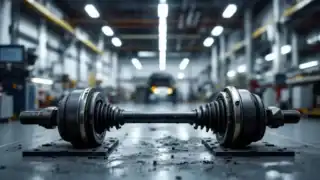
A tailshaft connects your transmission to the rear axle, transmitting engine power to drive your wheels. When the tailshaft develops wear, damage, or bearing failure, you’ll notice vibration, clunking sounds, or loss of drive. Japanese Vehicles tailshaft repair in Mitchell requires precision diagnosis and careful handling, especially on modern Japanese models where the tailshaft integrates tightly with suspension geometry and drivetrain control systems. We inspect, diagnose, and repair tailshaft faults using methods specific to Japanese vehicle engineering, ensuring your car drives smoothly and safely again.

Signs Your Tailshaft Needs Inspection

Tailshaft problems often announce themselves through driving symptoms before catastrophic failure. Watch for these warning signs:

  • Vibration felt through the cabin or steering wheel, especially at highway speeds
  • Clunking or banging noise from underneath the car, particularly when accelerating or coasting
  • Loss of drive or hesitation when pressing the accelerator
  • Visible grease leaks around the tailshaft centre bearing or U-joint area
  • Vehicle sits lower on one side or handling feels unstable
  • Squeaking or grinding noise during turning

Some symptoms develop gradually over weeks. Others appear suddenly after hitting a pothole or rough terrain. Either way, a vibrating or noisy tailshaft should be inspected soon. Continued driving with a failing tailshaft risks further transmission damage and leaves you vulnerable to a complete loss of drive on the road.

How We Diagnose Japanese Vehicles Tailshaft Problems in Mitchell

Every Japanese Vehicles tailshaft repair starts with a thorough inspection. We lift the vehicle safely, remove the tailshaft, and examine bearings, U-joints, and the shaft tube for cracks, scoring, or wear. Japanese models, particularly Toyota, Mazda, Subaru, and Nissan vehicles, often exhibit specific failure patterns linked to their drivetrain design, so we check for manufacturer-known issues and wear points.

We test the tailshaft dynamically before removal when safe to do so, listening for grinding or clunking and feeling for excessive play or vibration. Once removed, we measure runout and bearing play against Japanese OEM tolerances. If the damage is minor, such as a worn U-joint, we can often recondition or replace just that component. If the shaft itself is bent or cracked, replacement becomes necessary.

We also inspect the transmission output flange and rear axle input flange for damage. Sometimes what feels like a tailshaft problem is actually a loose connection at these mounting points. Catching this early saves you the cost of unnecessary parts replacement.

What Happens During Repair

The repair path depends on what our inspection uncovers. For worn U-joints or centre bearing failure, we remove the tailshaft, replace the faulty component, and reinstall with proper torque and balancing. For a bent or cracked shaft, we fit a replacement tailshaft assembly that meets Japanese OEM specifications or genuine-equivalent quality. We don’t use budget aftermarket stock that will fail again within months.

Once the repair is complete, we rebalance the tailshaft before fitting it back to your vehicle. Imbalance causes the vibration and noise you’ve been experiencing, so this step matters. We test-drive to confirm the vibration is gone and your vehicle drives as smoothly as it should.

Cost and Time: What to Expect for Tailshaft Repair

Tailshaft repair cost depends on what’s failed. A U-joint replacement is a smaller job; a full tailshaft replacement costs more. Parts availability also varies. Some Japanese models have tailshafts in ready stock, while others may require ordering, which adds a few days to the timeline.

Labour time typically runs between three and five hours, depending on shaft condition, access difficulty, and whether we’re reconditioning components or fitting a complete assembly. We’ll give you a clear diagnosis and quote before we start work, so you know exactly what you’re paying for and what the timeline will be.

We use quality parts aligned to Japanese specifications and genuine-equivalent components where appropriate. Not the cheapest no-name options. A solid tailshaft repair lasts years; a budget repair often lasts months before symptoms return.

Why ZP Automotive for Tailshaft Repair

Tailshaft work requires focus and precision. You won’t find service advisors pushing unnecessary upgrades here. You deal directly with the mechanic doing the work. We explain what’s wrong, what it’ll cost, and what can wait, in plain English without the jargon. With over 10 years in the trade and owner-operated across all jobs, we take pride in getting the diagnosis right the first time.

We use quality parts and oils, Penrite fluids and reputable component suppliers, because cutting corners on a tailshaft repair just moves the problem to next month. Our pricing is transparent and fair, without dealership labour rates. If your vehicle is under manufacturer warranty, logbook servicing and repairs here keep that protection intact.

We also handle brakes, wrong-fuel recovery, vehicle lockout and roadside assistance, air conditioning servicing, engine diagnostics, and ACT rego inspections. Whether your Japanese vehicle needs a simple U-joint replacement or a full tailshaft rebuild, we approach every repair with the same level of care and attention to detail.

Next Steps

If your car is vibrating or you’ve heard clunking underneath, book a tailshaft inspection with us today. Call & Book Now or Claim Your Free Inspection online, and we’ll have you driving smoothly again.
Honest Mechanics, Fair Prices in Mitchell

Owner-operated and family-run, we give you straight answers, quality parts, and fair pricing without the dealership markup or the upsell scripts.

You Deal With the Mechanic

Talk directly to the owner — no service advisors, no middlemen, no upsell pressure.

Quality Parts, Honest Pricing

Bring your vehicle in and we’ll assess what’s needed before any work begins.

Tailshaft Warranty on Repairs

We back our Japanese tailshaft work with warranty coverage for peace of mind.

How Japanese Tailshaft Repair Works

Bring your Japanese vehicle in for a free inspection and we'll diagnose and repair tailshaft issues professionally.

Step 1

Claim Your Free Inspection

Claim your free inspection to diagnose tailshaft issues and understand what repair work is needed for your vehicle.

Step 2

Tailshaft Diagnostic Assessment

We inspect the shaft, bearings, and universal joints for wear, play, and damage using hands-on testing and measurement.

Step 3

Tailshaft Repair and Rebuild

We repair or rebuild the shaft assembly using quality parts, ensuring precise alignment and smooth operation throughout.

Step 4

Test and Collection

We test drive your vehicle to confirm smooth operation, then notify you the job is complete and ready for pickup.

What Our Customers Say

5.0 (Verified Reviews)

Quality Parts From Trusted Suppliers

We use quality oils and parts from reputable suppliers — including Penrite and Rico — because what goes into your car matters as much as the work itself.

Claim Your Free Check

Fill in the form and we'll get back to you promptly — no obligation.

Booking Form
  • Vehicle Details
  • Confirm Vehicle
  • Services
  • Contact Details
No Upsell Scripts
Quality Parts Used
Plain-English Advice

Why Book With Us

Claim Your Free Inspection
Drop Off Your Car
We Get to Work
Back on the Road

Got Questions? We Have Answers

Browse the common questions below. If yours isn't listed, give us a call and we'll give you a straight answer.

Your tailshaft connects the gearbox to the rear differential and transmits engine power to drive your wheels. Repair becomes necessary when you notice vibration at certain speeds, clunking sounds during acceleration or deceleration, or visible damage to the shaft or its bearings. Japanese vehicles often run high mileage before tailshaft wear becomes obvious, but ignoring early warning signs can lead to complete failure and leave you stranded. We inspect the shaft, bearings, and mounting points to identify the exact issue and advise on repair or replacement.

Most tailshaft repairs are completed within the same day or over 1-2 working hours, depending on whether the shaft needs realignment, bearing replacement, or full replacement. If the shaft requires specialist balancing or we need to source a replacement component, we’ll let you know the timeline upfront. We work through the job methodically to ensure the repair is done right, not fast. You’ll know exactly what’s needed and how long it’ll take before we start work.

Japanese vehicles commonly experience tailshaft wear from high mileage, suspension misalignment pushing the shaft out of true, worn centre bearings, or impact damage from rough terrain or accidents. Rust and corrosion can also weaken the shaft over time, especially in Australian conditions. Worn engine or gearbox mounts can allow excessive movement that stresses the shaft. Regular inspection catches these issues early. We’ve seen plenty of neglected tailshafts in Mitchell and recommend catching problems early to avoid being stranded.

No, it is not safe. A failing tailshaft will vibrate increasingly, reducing control and comfort, and can suddenly separate completely, leaving you without drive to the rear wheels. This puts you and other road users at risk, especially at speed or in heavy traffic. If you notice vibration, clunking, or hear grinding noises from underneath, stop driving and have it inspected immediately. A professional check is fast and inexpensive compared to the cost of a complete failure or accident.

No. Under Australian consumer law and ACCC guidance, having an independent mechanic repair your tailshaft does not automatically void your manufacturer warranty. The manufacturer must prove that the independent repair caused the fault they’re claiming under warranty. This is general information only, so check your specific warranty documents or contact your manufacturer if you have concerns. We service many Japanese vehicles and maintain manufacturer warranties through quality work and proper documentation.

Cost depends on what’s wrong. A bearing replacement or realignment is less expensive than a full shaft replacement, and sourcing parts for some Japanese models may vary. We inspect first and give you a clear, itemised quote before starting work. No surprises, no dealership labour rates. We use quality components, not the cheapest no-name stock, which gives you better value over the life of the repair.

We lift the vehicle, remove the tailshaft safely, and inspect it for wear, damage, and bent sections. We check the centre bearing, universal joints, and alignment. Depending on what we find, we may balance the shaft, replace bearings, realign it, or recommend replacement. We’ll show you photos and explain what’s needed. You deal directly with the mechanic doing the work, so you get honest advice on what’s actually necessary.

There’s no fixed service interval for tailshaft inspection in most logbooks. However, if you notice vibration, clunking, or changes in how your car drives, have it checked immediately. We recommend a visual inspection during routine servicing, especially if your vehicle is high mileage or has spent time on rough roads. Early detection prevents sudden failure and keeps you safe.

That depends on how badly it’s bent and where the bend is located. Minor bends can sometimes be straightened and then balanced, restoring safe operation. Severe bends or damage to the shaft body usually require replacement. We assess the shaft properly and advise whether repair or replacement makes sense. Replacement is often not as expensive as you’d think, and it comes with confidence that the problem is fully resolved.

We work with quality suppliers to source tailshafts and components for most Japanese vehicles. We don’t keep every part in stock, but we source what’s needed promptly and use OEM-equivalent components that meet manufacturer specifications. For some models, parts arrive quickly; for others, it may take a few days. We’ll confirm availability and timing when we assess your vehicle, so you know what to expect.

Continue to site