Japanese vehicles car repair covers a broad spectrum of maintenance and repair work specific to the brands that dominate Australian roads—Toyota, Honda, Mazda, Nissan, Subaru, Mitsubishi, and Kia. Whether your Japanese import needs routine servicing, diagnostic work, or unexpected repairs, understanding what’s involved helps you make informed decisions and keeps your vehicle running reliably. At ZP Automotive in Mitchell, we specialise in servicing and repairing Japanese vehicles because they represent the bulk of what Australian families depend on daily, and we’ve built real expertise around their specific needs over more than a decade in the trade.
What Makes Japanese Vehicles Car Repair Different
Japanese vehicles are engineered for reliability and longevity, but they also follow manufacturer service schedules and use components that differ from European or American designs. Toyota’s logbook intervals, Honda’s variable timing systems, Nissan’s CVT transmissions, and Mazda’s engine management all require mechanics who understand the subtleties of how these vehicles are built. Generic repair shops sometimes miss the nuances—using the wrong oil weight, incorrect spark plug gaps, or overlooking manufacturer-specific diagnostic codes can cost you money down the track. We service Japanese vehicles regularly, so we know the common wear patterns, the parts that perform well in Australian conditions, and the service schedules that keep your warranty intact.
Common Signs Your Japanese Vehicle Needs Repair or Servicing
Some repair needs announce themselves loudly; others creep up quietly. Knowing what to listen and look for helps you catch problems early, before they become expensive breakdowns.
- Warning lights on the dashboard — your Japanese vehicle is telling you something. Even if the car feels fine, diagnostic codes need reading to identify the actual fault.
- Changes in how the engine sounds — knocking, pinging, or rougher idle can point to fuel quality issues, spark plugs, or carbon buildup in the combustion chamber.
- Fluid leaks under the vehicle — oil, coolant, or transmission fluid pooling under the car means something has failed and needs attention.
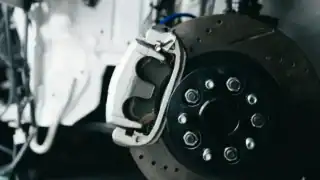
- Soft or spongy brake pedal — brake fluid contamination or air in the lines is a safety issue that requires immediate inspection.
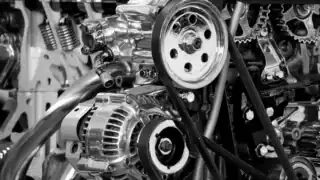
- Grinding or squealing from the engine bay — worn belts, worn alternator bearings, or compressor problems are common in higher-mileage Japanese vehicles.
- Delayed or jerky acceleration — particularly in automatics, this often signals transmission issues or fuel system faults.
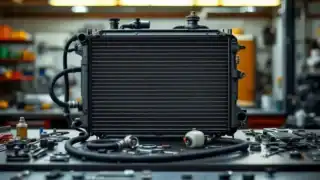
- Overheating or temperature gauge climbing — thermostat failure, coolant leak, or water pump wear are common culprits.
- Overdue logbook servicing — if your vehicle is still under manufacturer warranty, keeping to the logbook schedule protects your cover and maintains resale value.
What Our Japanese Vehicles Car Repair Service Includes
When you bring your Japanese vehicle in for repair or servicing, we start with a thorough inspection and diagnostic read using equipment set up for Japanese manufacturer protocols. We don’t guess—we plug in the diagnostic computer, read the fault codes in plain language, and explain exactly what’s wrong before any work begins.
For logbook servicing, we follow the manufacturer’s schedule to the letter: oil and filter changes using Penrite oils matched to the vehicle’s specification, fluid top-ups, filter replacements, and visual checks of suspension, brakes, and hoses. We use quality parts—not the cheapest no-name stock—because we know they’ll last and perform when it matters.
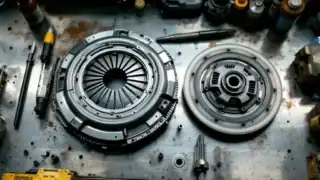
For repairs beyond scheduled servicing, we inspect the failed component, explain the repair options (OEM parts versus quality aftermarket equivalents), give you a clear quote before proceeding, and do the work to a standard that matches what the vehicle deserves. Whether it’s replacing spark plugs on a Toyota, sorting a Mazda fuel system issue, or diagnosing electrical faults in a Honda, we approach each job with the same care.
Cost and Timeline Factors for Japanese Vehicle Repairs
The cost and time required for Japanese vehicles car repair depends on several factors. A logbook service on a Toyota might take two hours; a transmission diagnostic on a Nissan CVT could take longer because we need to test drive, retrieve data, and sometimes perform specialist bench testing. Parts availability varies—common items like oil filters and spark plugs are stocked locally, but specific components for less common models may need ordering.
We price fairly and transparently. We don’t use dealership labour rates, and we won’t recommend repairs you don’t need. If something can wait or is cosmetic rather than safety-critical, we’ll tell you straight. OEM parts tend to cost more than aftermarket equivalents, but they carry manufacturer assurance—the choice is yours, and we’ll explain the trade-off honestly.
Why ZP Automotive for Japanese Vehicles Repair in Mitchell
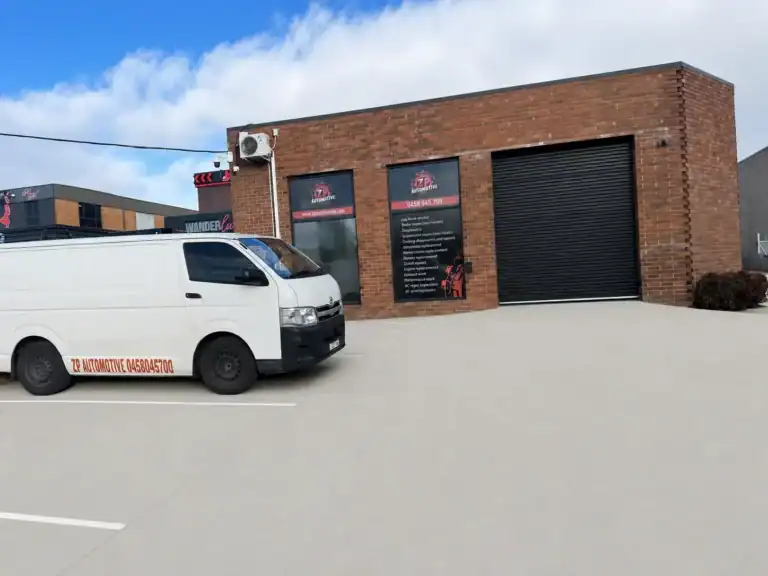
We’re an independent, owner-operated workshop. You deal directly with the mechanic doing the work, not a service adviser reading from a script. We’ve spent over a decade servicing Japanese vehicles across Canberra, and we know them well. We use quality oils and parts—Penrite and Rico—because they’re reliable and perform in Australian conditions. Logbook servicing with us keeps your manufacturer warranty intact, which matters if your vehicle is still under cover. We give you honest advice about what your car needs, what it’ll cost, and what can wait—no upsell, no pressure. That’s how we’ve built trust with families and tradies across Mitchell and north Canberra.
Book Your Free Inspection in Mitchell
If your Japanese vehicle needs servicing, repair, or a diagnostic check, claim your free inspection online or call and book now. We’ll assess what’s needed, explain your options in plain English, and get you back on the road with confidence.