Owner-Operated Workshop
Quality Parts & Oils
5.0★ Rating
Transparent Pricing

5.0 (Verified Reviews)

Industry Leading Brake Replacement In Mitchell

Worn brakes are a safety issue, not something to put off. We handle brake replacement at our Mitchell workshop using quality parts and give you a straight answer on what's needed before any work starts.

Honest Advice

Quality Parts

5.0★ Rating

Quality Brake Parts

Claim Your Free Check

Fill in the form and we'll get back to you promptly — no obligation.

Booking Form
  • Vehicle Details
  • Confirm Vehicle
  • Services
  • Contact Details
No Upsell Scripts
Quality Parts Used
Plain-English Advice

Why Book With Us

Claim Your Free Inspection
Drop Off Your Car
We Get to Work
Back on the Road

Worn brakes don’t fix themselves, and they’re the one part of your car you can’t afford to leave too long. Brake replacement covers the pads, rotors, and sometimes the rear drums or shoes that wear down every time you slow your car. Here in Mitchell, the team at ZP Automotive replaces brakes on everything from daily commuters to family wagons, and we’ll always tell you straight what needs doing now and what can safely wait. Good brakes are the difference between stopping comfortably and not stopping in time.

What Are the Warning Signs You Need Brake Replacement?

Your brakes usually warn you well before they fail completely. The trick is knowing what to listen and feel for. If you notice any of these, it’s worth getting them looked at:

  • Squealing or screeching when you press the pedal. Many pads have a wear indicator that makes this noise on purpose, telling you they’re getting thin.
  • A grinding sound, which often means the pad material is gone and metal is touching the rotor. This one needs attention quickly.
  • A soft or spongy pedal, or a pedal that travels further than it used to before the car slows.
  • Shuddering or pulsing through the pedal or steering wheel when braking, usually a sign of warped or unevenly worn rotors.
  • The car pulling to one side under braking, which can point to a sticking caliper or uneven pad wear.
  • Longer stopping distances or a brake warning light on the dash.

Don’t wait for the grinding stage. Catching worn pads early often saves the rotors, which keeps the job smaller and the cost lower.

What Happens During a Brake Service at Our Mitchell Workshop

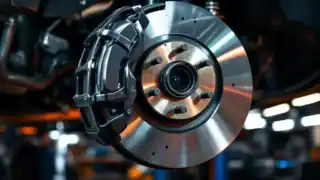
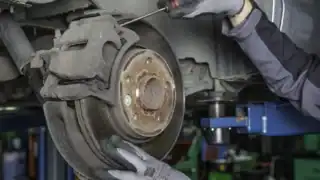
We start with a proper inspection before quoting anything. The wheels come off so we can measure pad thickness, check the rotors for scoring and warping, and look at the calipers, hoses, and brake fluid condition. We check both front and rear, because rear brake pads and drum brakes wear at a different rate to the fronts.

Once we know exactly what’s worn, we’ll talk you through it in plain English. A typical job might mean a brake pad change on the front, fresh rotors if they’re below spec, or a brake shoe replacement on cars that still run rear drums. We fit quality parts, bed them in properly, and check the fluid before handing the car back. If your brake fluid is old or has drawn in moisture, we’ll let you know, because that affects how well the whole system works.

You deal directly with Brendan, the mechanic doing the work. No service advisor passing messages along, no upsell script. If a rotor still has plenty of life in it, we’ll say so.

What Affects the Cost and Time of a Brake Replacement?

A few things change the size of the job. Front brakes and rear brakes are priced differently, and whether you need just pads or pads plus rotors makes a big difference. Some vehicles use rear drum brakes rather than discs, which is a separate type of repair again.

The make and model matters too. Performance cars and larger vehicles often run bigger braking systems with parts that cost more. Parts availability plays a part, common pads and rotors are usually on hand or quick to source, while some models take a little longer. We use quality brands rather than the cheapest no-name stock, because brakes are not the place to cut corners. We’ll always give you the full picture before any work starts, so there are no surprises.

Why Drivers Around North Canberra Choose ZP Automotive

We’re an independent, owner-operated workshop in Mitchell, family-run and built on honest advice. Brendan brings more than ten years in the trade to every job. Brakes are one of our specialities, alongside logbook servicing, ACT rego inspections, air conditioning servicing, engine diagnostics, and roadside help like wrong-fuel recovery and vehicle lockouts.

Our pricing is fair and transparent, without dealership labour rates. If you’re due for a logbook service, we can handle that too, and it won’t void your new-car warranty under Australian consumer law, though it’s always worth checking your own warranty terms. The promise is simple: quality work, honest advice, a fair price.

If your brakes are squealing, grinding, or just not feeling right, use Call & Book Now to book it in, or Claim Your Free Inspection online. We look after drivers across Mitchell and north Canberra, and we’ll have you stopping safely again.
Other Services

Whatever your needs we have you covered, see some similar services below or click "See All Services" to explore our full service offering.

Honest Mechanics, Fair Prices in Mitchell

Owner-operated and family-run, we give you straight answers, quality parts, and fair pricing without the dealership markup or the upsell scripts.

You Deal With the Mechanic

Talk directly to the owner — no service advisors, no middlemen, no upsell pressure.

Quality Parts, Honest Pricing

Bring your vehicle in and we’ll assess what’s needed before any work begins.

Full Brake System Inspection Included

We check pads, rotors, fluid and lines — not just the part you came in for.

How Brake Replacement Works

Brake replacement at ZP Automotive follows a clear four-step process so you know exactly what to expect.

Step 1

Claim Your Free Inspection

Call and book now or claim your free inspection online to get your brakes assessed by our team.

Step 2

Brake System Inspection

We measure pad thickness, check rotor condition, and inspect callipers, lines, and brake fluid for faults.

Step 3

Brake Parts Replaced

Worn pads, rotors, or other brake components are replaced using quality parts to manufacturer specifications.

Step 4

Test Drive and Handover

We road-test the vehicle to confirm braking performance, then walk you through exactly what was done.

What Our Customers Say

5.0 (Verified Reviews)

Quality Parts From Trusted Suppliers

We use quality oils and parts from reputable suppliers — including Penrite and Rico — because what goes into your car matters as much as the work itself.

Claim Your Free Check

Fill in the form and we'll get back to you promptly — no obligation.

Booking Form
  • Vehicle Details
  • Confirm Vehicle
  • Services
  • Contact Details
No Upsell Scripts
Quality Parts Used
Plain-English Advice

Why Book With Us

Claim Your Free Inspection
Drop Off Your Car
We Get to Work
Back on the Road

Got Questions? We Have Answers

Browse the common questions below. If yours isn't listed, give us a call and we'll give you a straight answer.

Most brake replacements take between one and two hours, though this depends on how much work is needed. Replacing pads on a single axle is generally quicker than a full job involving rotors or drums on all four corners. If we find anything unexpected during the inspection, we’ll let you know before going further. We aim to turn around straightforward brake jobs the same day at our Mitchell workshop, but it’s worth calling ahead so we can confirm availability and have the right parts on hand.

No. Worn brake pads are a genuine safety risk and should be dealt with promptly. Once the friction material wears down, metal grinds against your rotor, which reduces stopping power and can damage components that were fine before. Warning signs include squealing or grinding noises when braking, a pulsing pedal, or the car pulling to one side under braking. If you’re noticing any of these, don’t sit on it. Brakes are one area where waiting costs more and puts you and others at risk.

A few things influence the price. The main factors are which axle needs work (front, rear, or both), whether the rotors need machining or replacing alongside the pads, and the type of vehicle. Some cars have rear drum brakes rather than discs, and the parts and labour differ. We use quality parts, not the cheapest no-name stock, so you’re not paying for a job that needs redoing in 12 months. We’ll give you a clear quote before any work starts, so there are no surprises.

Under ACCC guidance, Australian consumer law generally allows you to have your vehicle serviced and repaired by a qualified independent mechanic without voiding the manufacturer warranty, provided the work is carried out to the manufacturer’s specifications and documented correctly. This is general information, not legal advice, so it’s worth checking the specifics of your warranty if you’re unsure. We record all brake work clearly so you have a proper service history to refer back to.

We start with a proper inspection of your whole brake system before any parts come off the car. That means checking pad thickness, rotor condition, brake fluid, caliper operation, and the brake lines. Once we know what’s needed, we’ll talk you through it plainly, including what’s urgent and what can wait. From there we remove the worn components, fit new pads and rotors or drums as required, and bed everything in before the car goes back to you. You’ll know exactly what was done and why.

There’s no fixed interval because it depends heavily on your driving style, the type of roads you use, and the vehicle itself. City driving with frequent stopping wears pads faster than long highway runs. As a rough guide, pads often last anywhere from 25,000 to 70,000 kilometres, but that’s a wide range. The more reliable approach is having them checked at each service so you’re not caught out. If you’re driving regularly around Canberra’s stop-start traffic, it’s worth keeping an eye on them more often than the upper end of that range.

A spongy brake pedal usually points to air in the brake lines, a brake fluid leak, or worn components in the hydraulic system. Air gets in when fluid runs low or after work that hasn’t been bled properly, and it stops the pedal feeling firm. Old, moisture-laden fluid can also cause that sinking feeling because moisture lowers the boiling point of the fluid. If your pedal feels soft or drops to the floor, get it looked at quickly, because it directly affects how well your car can stop.

Not always. Whether the rotors need replacing depends on their thickness and condition. If they’re still within the manufacturer’s minimum thickness and the surface is smooth, fresh pads on existing rotors may be fine. If the rotors are scored, warped, or worn below spec, machining or replacing them gives you better braking and longer pad life. We measure and check the rotors during the inspection so the recommendation is based on the actual state of your car, not guesswork. We’ll always explain what we found before doing the work.

Continue to site