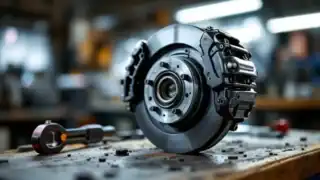
Brake replacement on Japanese vehicles is one of the most common repairs we handle at our Mitchell workshop, and it’s also one of the most important. Your brakes are the single most safety-critical system on your car. Whether you drive a Toyota, Honda, Nissan, Mazda, Subaru, or Mitsubishi, your vehicle’s braking system is designed to perform reliably for thousands of kilometres, but brake pads and rotors do wear down over time and eventually need replacement. Ignoring brake warning signs puts you, your passengers, and other road users at risk.
Warning Signs Your Japanese Vehicle Needs Brake Service
Most drivers notice something is wrong before their brakes fail completely. The earlier you catch brake wear, the simpler and less expensive the repair tends to be. Here are the signs to watch for:
- A squealing or squeaking noise when braking, especially noticeable when braking lightly
- A grinding sound under hard braking, which often means pads are worn through to metal
- A soft or spongy brake pedal that requires more pressure than usual to stop
- A brake warning light illuminating on your dashboard
- Visible brake fluid leaks under your car or around the wheels
- Brake dust buildup on your wheels, which is normal but indicates active wear
- Longer stopping distances or a feeling that braking is less responsive than it should be
Any of these symptoms means it’s time to book a brake inspection. Don’t wait until your brakes feel dangerous to get them checked.
How Japanese Vehicles Brake Replacement Works
When you bring your Japanese vehicle to us for brake service, we start with a complete inspection. This isn’t a quick look and a guess. We remove the wheels, visually measure brake pad thickness, spin the rotors to check for damage or warping, and inspect brake lines and calipers for leaks or wear. For Japanese vehicles, we follow the manufacturer’s service schedules closely. Toyota, Honda, Nissan, and other Japanese makers have specific logbook intervals and wear thresholds, and we work to those standards to keep your warranty intact.
Once we’ve diagnosed the problem, we’ll explain exactly what needs doing. Most jobs involve replacing brake pads, but rotors often need replacement too if they’re scored, cracked, or warped from heat cycling. Brake fluid may need a flush and refill, especially if the system shows contamination or age-related degradation. For jobs involving the rear brakes, we also check brake shoe condition on vehicles that use drum brakes in the rear.
We use quality replacement parts that match or exceed Japanese OEM specifications. Genuine or genuine-equivalent pads and rotors last longer and perform more consistently than cheap aftermarket stock. We pair them with quality brake fluid and lubricants, including Penrite products where appropriate, to make sure your brakes perform reliably for years.
What Affects Brake Replacement Cost and Turnaround Time
Brake replacement cost and how long it takes depends on several real factors. A simple brake pad change on the front takes a few hours. If you need rotors replaced, the job takes longer because rotors must be removed, checked for damage, and either skimmed or replaced entirely. Brake fluid flushes add time too, especially if your system has accumulated moisture or debris.
Your specific vehicle also matters. Some Japanese models have brake systems that are straightforward and fast to service. Others have caliper designs or rotor access that takes more care and time to work around safely. Parts availability can vary slightly between vehicle makes, though most Japanese vehicles have readily available brake components in Australia.
We always scope the job during inspection and give you a clear explanation of what’s needed, what it’ll cost, and how long it’ll take before we start any work. We don’t upsell unnecessary parts, and we’re honest about what can wait versus what needs doing now. Dealership brake jobs come with premium labour rates. We offer fair, transparent pricing without the dealership markup, and you deal directly with the mechanic doing the work, not a service advisor trying to add extras.
Why Choose Our Mitchell Workshop for Japanese Vehicle Brake Service
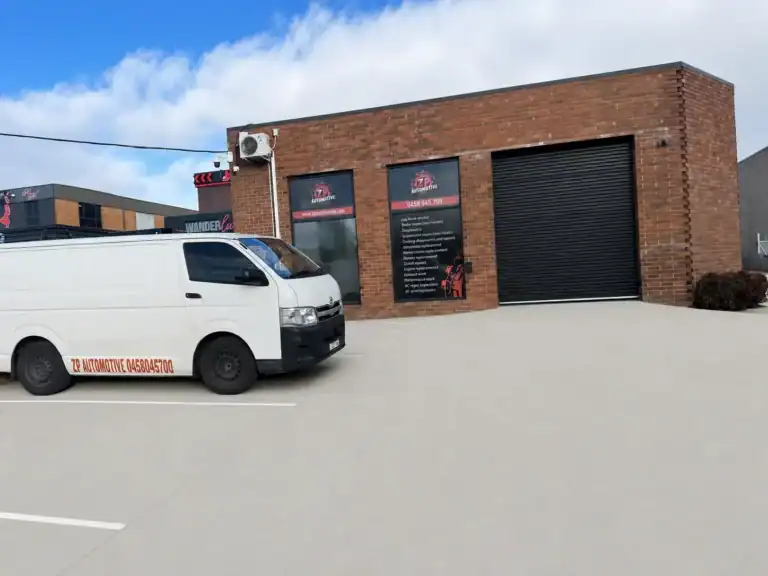
Brakes are safety-critical, which is why we treat every brake job with the same care whether it’s a small pad replacement or a full system overhaul. Brendan and the team have over a decade of hands-on experience working on Japanese vehicles. We see Japanese brakes regularly, we know the common wear patterns on different models, and we understand what genuine quality looks and feels like when brakes are working properly.
We’re owner-operated and family-run, which means we have a direct stake in doing the job right. We use quality parts and fluids, not the cheapest no-name stock that wears out faster and costs you more in the long run. We also make sure your logbook servicing stays on record so your manufacturer warranty remains intact. If your vehicle is still under warranty, brake replacement won’t affect that protection as long as you’re using a qualified independent mechanic, which we are.
We specialise in brakes alongside diagnostics, logbook servicing, and roadside assistance. If your brake warning light is on and you’re unsure what’s wrong, we can diagnose the root cause quickly and explain your options in plain English. No jargon, no pressure, no upsell scripts.
Book Your Japanese Vehicle Brake Inspection in Mitchell
If you’ve noticed any brake symptoms or it’s been a while since your brakes were checked, call us to claim your free inspection. We’ll get you in quickly, diagnose the problem, and give you a clear plan to get your brakes back to safe, reliable condition. Call and book now to schedule your appointment at our Mitchell workshop.