Owner-Operated Workshop
Quality Parts & Oils
5★ Reviews
Transparent Pricing

Verified 5★ Reviews

Industry Leading Brake Repair In Mitchell

Brake problems in Mitchell get sorted properly, not just patched. We inspect the full system, tell you exactly what's needed, and only do the work that's genuinely required.

Honest Advice

Quality Parts

5★ Reviews

Safety-First Brakes

Claim Your Free Check

Fill in the form and we'll get back to you promptly — no obligation.

Booking Form
  • Vehicle Details
  • Confirm Vehicle
  • Services
  • Contact Details
No Upsell Scripts
Quality Parts Used
Plain-English Advice

Why Book With Us

Claim Your Free Inspection
Drop Off Your Car
We Get to Work
Back on the Road

Brakes are the one system on your car you can’t afford to ignore. When they start grinding, squealing, or feeling soft underfoot, that’s your car telling you something needs attention. Brake repair covers everything from worn pads and scored discs to a tired brake booster or a leaking line. At our Mitchell workshop, brakes are one of the jobs we do most, and we’ll always tell you straight what needs doing now and what can safely wait.

What Are the Warning Signs You Need Brake Repair?

Most brake problems give you plenty of notice if you know what to listen and feel for. The trouble is, people often push on until the warning becomes a real safety risk. Here are the signs worth acting on:

  • Squealing or screeching when you brake, often a wear indicator on the pads doing its job
  • Grinding, which usually means the pads are gone and metal is biting into the disc
  • A soft or spongy pedal that sinks further than it used to, sometimes pointing to air or a fluid leak
  • The car pulling to one side when you brake, which can mean a sticking caliper or uneven wear
  • Vibration through the pedal or steering wheel when slowing down, often warped discs
  • The brake warning light on your dash staying on

Around north Canberra, a lot of driving means stop-start runs through Gungahlin and the morning crawl into the city. That kind of constant braking wears pads quicker than open-road driving, so it pays to get a squeal checked sooner rather than later.

What Happens During a Brake Inspection and Repair?

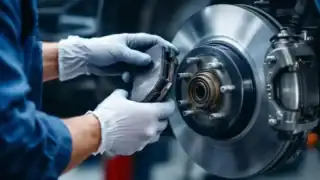
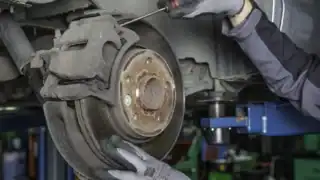
We start with a proper look, not a guess. The team pulls the wheels off and checks the pads, discs (rotors), calipers, and brake lines. We measure how much pad material is left and check the discs for wear, scoring, and warping. A spongy pedal usually means we’ll inspect the brake fluid and look for leaks through the lines, the master cylinder, or the brake booster.

Once we know what’s going on, we’ll explain it in plain English before we touch anything. If it’s a straightforward pad and disc job, we’ll tell you. If the calipers are sticking or the booster’s failing, we’ll show you why and what it means for stopping power. We fit quality parts and use proper brake fluid to spec, then bed everything in and test the brakes before the car goes back to you. No surprises, no work you didn’t agree to.

What Affects the Cost and Time of Car Brake Repair?

Brake repair isn’t one fixed price because no two cars come in the same. A few things change the job:

  • How far the wear has gone. Catching it at the pad stage is cheaper than waiting until the discs are chewed up and need machining or replacing.
  • Front or rear, or both. Fronts usually wear faster and do more of the stopping work.
  • Your vehicle. Some makes and models use larger or more complex brake setups that take longer and use dearer parts.
  • Parts choice. We use quality components, not the cheapest no-name stock, because brakes are not the place to cut corners. We’ll talk you through the options.
  • Extra faults. A sticking caliper, leaking line, or a booster issue adds to the work.

We give you an honest run-down before we start, so you know roughly what you’re up for. If something else turns up mid-job, we ring you first.

Why Choose ZP Automotive for Your Brakes?

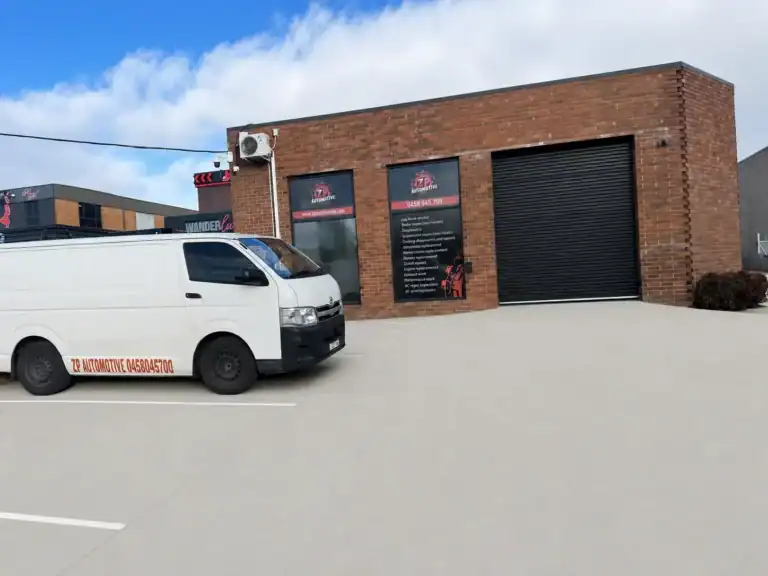
We’re an independent, owner-operated workshop, and brakes are one of our specialities. When you bring your car in, you deal directly with the mechanic doing the work, not a service advisor reading from an upsell script. Brendan has more than ten years in the trade, and the whole approach here is simple: quality work, honest advice, a fair price.

That means transparent pricing without dealership labour rates, and parts we’d happily put on our own cars. We’ll tell you what’s wrong, what it’ll cost, and what can genuinely wait. Beyond brakes, we also handle logbook servicing that keeps your manufacturer warranty intact, ACT rego inspections, engine diagnostics, air conditioning servicing, and wrong-fuel recovery if you’ve put the wrong stuff in the tank. It’s a family-run feel, and we’re genuinely not here to rip anyone off.

Safe brakes are not optional. If you’ve noticed any of the signs above, don’t leave it. Hit Call & Book Now to book in, or Claim Your Free Inspection online, and we’ll get your brakes sorted properly here in Mitchell.
Other Services

Whatever your needs we have you covered, see some similar services below or click "See All Services" to explore our full service offering.

Honest Mechanics, Fair Prices in Mitchell

Owner-operated and family-run, we give you straight answers, quality parts, and fair pricing without the dealership markup or the upsell scripts.

You Deal With the Mechanic

Talk directly to the owner — no service advisors, no middlemen, no upsell pressure.

Quality Parts, Honest Pricing

Bring your vehicle in and we’ll assess what’s needed before any work begins.

Brake Work Done Right

Quality pads and rotors fitted by the mechanic who inspected them.

How Brake Repair Works at ZP Automotive

Brake repair at ZP Automotive follows a clear four-step process so you know exactly what's happening at every stage.

Step 1

Claim Your Free Inspection

Call and book now or claim your free brake inspection online and tell us what you're noticing.

Step 2

Brake System Inspection

We measure pad thickness, check rotor condition, and test brake fluid to find exactly what needs attention.

Step 3

Brake Repair and Replacement

We replace worn pads, machine or swap rotors, and bleed the system using quality parts built to spec.

Step 4

Test Drive and Handover

We road test the vehicle to confirm braking performance, then walk you through what was done before you collect.

What Our Customers Say

Verified 5★ Reviews

Quality Parts From Trusted Suppliers

We use quality oils and parts from reputable suppliers — including Penrite and Rico — because what goes into your car matters as much as the work itself.

Claim Your Free Check

Fill in the form and we'll get back to you promptly — no obligation.

Booking Form
  • Vehicle Details
  • Confirm Vehicle
  • Services
  • Contact Details
No Upsell Scripts
Quality Parts Used
Plain-English Advice

Why Book With Us

Claim Your Free Inspection
Drop Off Your Car
We Get to Work
Back on the Road

Got Questions? We Have Answers

Browse the common questions below. If yours isn't listed, give us a call and we'll give you a straight answer.

Most brake repairs are completed within a few hours, and many jobs are done the same day. The actual time depends on what needs doing. Replacing pads and rotors on a single axle is quicker than a full brake system overhaul or a brake booster repair. When you bring your car in, we’ll assess what’s needed and give you a realistic timeframe before any work starts. No surprises.

Squealing or grinding when you brake are the most common signals. A soft or spongy pedal, a pedal that sinks closer to the floor than usual, pulling to one side under braking, or a vibrating steering wheel are all worth investigating promptly. Any of these symptoms means your braking system isn’t performing as it should, and delaying inspection increases both the safety risk and the likely repair cost.

It depends on the noise, but we’d always recommend getting it checked quickly rather than waiting. Squealing often means worn pads still have a small amount of material left. Grinding usually means metal-on-metal contact, which can damage rotors rapidly and significantly reduce stopping power. Driving on badly worn brakes increases stopping distances and puts you, your passengers, and other road users at risk. Get it looked at sooner rather than later.

We start by inspecting the full system: pads, rotors, callipers, brake lines, brake fluid, and the brake booster if relevant. Once we know exactly what’s worn or faulty, we walk you through what needs replacing now and what can wait. Work only starts once you’ve approved it. We use quality parts and finish with a road test to confirm braking is firm, straight, and quiet before the car goes back to you.

Several variables come into play. The main ones are which axle needs attention (front, rear, or both), whether you need pads only or pads and rotors, and whether additional components like callipers, brake lines, or the brake booster require work. Part quality matters too. We use reliable brands, not the cheapest no-name stock. We’ll give you a clear quote before starting so you know exactly what you’re paying for.

A brake inspection at every logbook service interval is a sensible baseline. Beyond that, your driving habits matter. Frequent stop-start driving in traffic wears pads faster than highway kilometres. If you notice any change in pedal feel, noise, or stopping distance between services, don’t wait for the next scheduled visit. Catching wear early usually means a simpler, less costly job.

Under ACCC guidance, Australian consumer law generally allows you to have your vehicle serviced and repaired at any qualified independent workshop without voiding your manufacturer warranty, provided genuine or equivalent-quality parts are used and the work is properly documented. This is general information, not legal advice. We recommend checking your specific warranty terms if you’re unsure. Our Mitchell workshop keeps accurate service records so you’re covered.

Not necessarily. Front and rear brakes wear at different rates, with fronts typically wearing faster because they do more of the stopping work. We’ll measure pad thickness and rotor condition on each axle separately and only recommend what actually needs replacing. There’s no benefit in replacing components that still have good life left, and we won’t suggest it just to inflate the bill.

A spongy pedal is usually caused by air trapped in the brake lines, low or contaminated brake fluid, or a fault in the master cylinder or brake booster. Moisture absorbed into old fluid lowers its boiling point and reduces braking response, especially under heavy use. We can bleed the system, test the fluid, and check the booster to pin down the cause. A firm pedal is essential for safe, predictable stopping, so it’s worth sorting quickly.

Our workshop in Mitchell handles brake repairs for most makes and models, from pad and rotor replacement through to brake booster and brake line work. We inspect the full braking system, explain what needs doing in plain terms, and only proceed once you’ve approved the work. If you’re local to the area and have noticed any change in how your car stops, book in and we’ll take a proper look.

Continue to site