Mitsubishi brake repair is one of those services that can’t wait. Your brakes are what stop your car, and if they’re not working properly, everything else becomes secondary. Whether you’ve noticed a soft pedal, a grinding sound, or warning lights on the dash, brake problems need professional attention straight away. We see Mitsubishi brake issues regularly here in Mitchell, and we know how these vehicles behave on the road.
Warning Signs Your Mitsubishi Needs Brake Repair
The most obvious sign is how your pedal feels. If you’re pressing it further down than usual before the car slows, or if it feels spongy or soft, air or moisture has likely entered the brake lines. Mitsubishi models, particularly the Outlander and Lancer, can develop this issue if seals wear over time or if brake fluid hasn’t been flushed on schedule.
Listen for noise, too. A sharp squealing means brake pad wear indicators are doing their job, letting you know pads are thin. Grinding or a deep metallic sound means pads have worn through to the rotor itself, and continuing to drive causes damage that costs more to fix. A pulsing brake pedal under hard braking suggests a warped rotor or uneven pad wear, which is common on Mitsubishi models that see heavy city driving or lots of hill braking.
- Soft or spongy pedal feel
- Brake fluid warning light on the dashboard
- Squealing, grinding, or metallic noise when braking
- Pulsing or vibration through the pedal
- Longer stopping distances than usual
- Brake fluid leaks under the vehicle
Smell is another clue. A hot, chemical smell after hard braking can mean brake fluid is overheating or brake components are overworked. If you notice any of these signs, don’t ignore them. Brake failure isn’t something that improves on its own, and safety on the road depends on stopping power.
How We Diagnose and Repair Mitsubishi Brakes
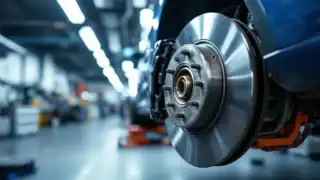
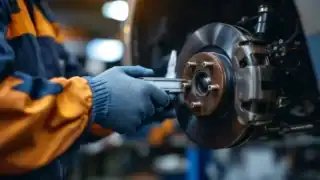
Our approach starts with a full inspection. We lift the vehicle, remove the wheels, and examine brake pads, rotors, calipers, and brake lines for wear, damage, or leaks. For Mitsubishi models, we follow the manufacturer’s service schedule and diagnostic steps, which helps us spot issues early and avoid unnecessary parts replacement.
We measure pad thickness and rotor condition with precision tools. If rotors are within tolerance and pad wear is the only issue, replacement pads get you back safely. If rotors are warped, scored, or out of spec, they need resurfacing or replacement. We use quality brake components that match Mitsubishi’s original specifications, not cheap aftermarket stock that wears quickly or doesn’t feel right.
Brake fluid inspection is part of every brake job. Over time, brake fluid absorbs moisture from the air, which lowers its boiling point and causes soft pedal feel. If fluid looks dark or smells burnt, a full system flush replaces old fluid with fresh, moisture-free fluid. For Mitsubishi vehicles, we use brake fluid that meets or exceeds OEM standards.
If brake booster repair is needed, we test it under load to confirm it’s the source of the soft pedal. A failing booster reduces braking power significantly and needs prompt repair. On Mitsubishi Outlander and Lancer models, booster failure is repairable, and we source quality replacement units that restore normal pedal feel.
We also check your anti-lock braking system (ABS) using diagnostic equipment that reads fault codes and confirms whether sensors, control modules, or brake lines are at fault. Mitsubishi ABS systems are reliable when well maintained, but diagnostic accuracy prevents replacing parts that don’t need it.
What Affects Brake Repair Cost and Timeframe
Brake repair costs depend on what’s actually broken. Pad and rotor replacement takes a few hours and is mid-range in price. Brake fluid flush, booster repair, or ABS work adds complexity and time. Parts availability matters too. Genuine Mitsubishi brake components may need ordering, though we stock quality equivalents that perform to spec and arrive faster than dealer stock.
Severity matters as well. Catching worn pads early and replacing them keeps rotors safe and costs less. If you ignore grinding noise and drive on metal, rotor damage spreads and makes repair more expensive. We’re honest about what needs doing now and what can wait a service or two, so you’re never paying for work your car doesn’t actually need.
Labour time varies. A straightforward pad and rotor job on a Mitsubishi typically takes 2 to 3 hours. If we find caliper stickiness, brake line corrosion, or booster issues, add time for diagnosis and repair. We don’t charge dealership labour rates, and you deal directly with the mechanic doing the work, not a service adviser with upsell targets.
Why Choose ZP Automotive for Your Mitsubishi Brake Repair
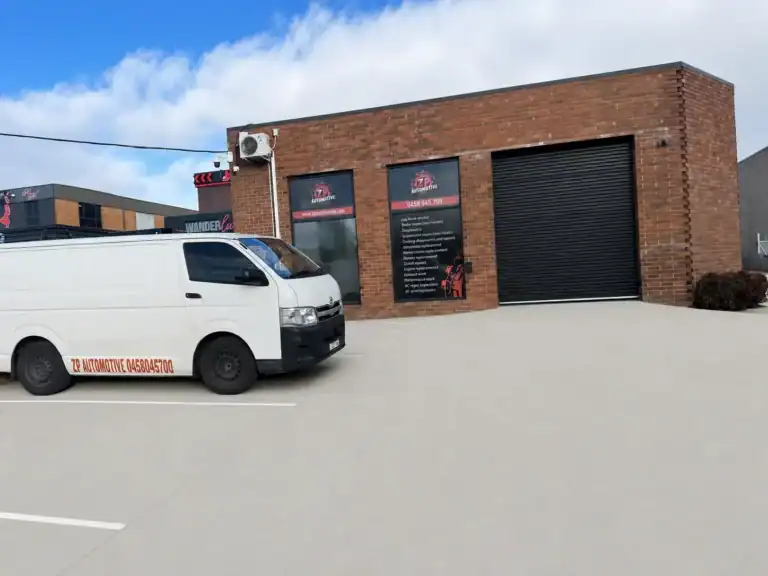
We’re an independent workshop here in Mitchell, owner-operated with over 10 years in the trade. We know Mitsubishi vehicles inside and out, and we approach brake repair with the attention it deserves because your safety depends on it. We use quality brake components from trusted suppliers like Penrite, not the cheapest no-name parts that wear faster or feel spongy.
You get honest, plain-English advice. We explain what’s wrong, what it costs, and what can wait. No scripts, no pressure to replace parts you don’t need, no dealership prices. Your Mitsubishi’s manufacturer warranty stays intact with our logbook servicing approach, and brake repair doesn’t void any coverage as long as parts meet OEM specifications.
We specialise in brakes, diagnostics, and roadside support, so you’re working with mechanics who do this work every day and get it right the first time. Our Mitchell workshop is equipped to handle every aspect of Mitsubishi brake repair, from routine pad replacement to complex booster and ABS diagnostics. When you choose us, you’re choosing mechanics who understand your vehicle and prioritise your safety.
Get Your Mitsubishi Brakes Checked in Mitchell Today
Don’t leave brake problems to chance. Call and book now for a full brake inspection, or claim your free inspection online. We’ll diagnose the issue, explain what needs doing, and get your Mitsubishi stopping safely again.