Your Mitsubishi’s braking system is one of the most critical safety features on the vehicle. When you need Mitsubishi brake service, you’re not just maintaining a component—you’re preserving your ability to stop safely in any situation, whether you’re commuting through Mitchell traffic or navigating the hills around north Canberra. Brake problems don’t announce themselves with a warning light and then wait for you to find time. They develop gradually, sometimes suddenly, and ignoring the early signs can turn a simple service into an emergency repair or, worse, a safety hazard on the road.
Warning Signs Your Mitsubishi Needs Brake Service
Most drivers know that brake pads wear down and need replacing, but Mitsubishi brake service covers far more than just pads. The first sign something’s wrong is often a feeling or a sound rather than something you see. If you notice any of these warning signs, bring your Mitsubishi in for an inspection straight away.
- Soft or spongy brake pedal that feels like it sinks further when you press it
- Brake pedal that requires excessive pressure to stop the vehicle
- Grinding or squealing noise when braking, especially in the morning or after rain
- Vibration or pulsing through the pedal when slowing down
- Brake fluid warning light on the dashboard
- One side of the car pulling to the left or right during braking
- Brake pads visibly worn thin when you look through the wheel
Some of these symptoms point to brake pad wear. Others indicate problems with brake fluid, calipers, rotors, or the master cylinder. Mitsubishi vehicles, depending on the model year and how the vehicle is driven, can experience different wear patterns. Identifying which component is failing requires a proper inspection, which is the first step in any brake service.
What Happens During a Mitsubishi Brake Service in Mitchell
We start by understanding what prompted you to book. If you’ve heard a noise, felt vibration, or simply want to know if your brakes are due for maintenance, we begin with a thorough diagnostic inspection. For Mitsubishi vehicles, we follow the manufacturer’s service schedule and diagnostic procedures specific to your model. This isn’t a guessing game—it’s systematic inspection that pinpoints exactly what needs attention and what can wait.
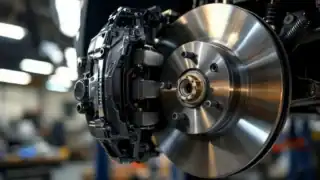
The inspection includes checking brake pad thickness using proper gauges, not eyeballing through the wheel. We examine the brake rotors for scoring, warping, or excessive wear. The brake fluid gets tested for moisture and contamination, because old or dirty fluid can lead to brake failure and corrosion inside the system. We inspect brake hoses and lines for cracks or leaks, and we check the caliper pistons and hardware to ensure everything moves freely. If your Mitsubishi has anti-lock brakes (ABS), we confirm the system is functioning correctly.
Once we’ve identified what needs doing, we explain it to you in plain language. Brake pads are worn and need replacement. The rear rotors are scored and should be replaced. The brake fluid hasn’t been changed in three years and shows signs of water contamination. You’ll know exactly what’s happening and why, before we turn a spanner.
For the actual service, we use quality brake components and Penrite brake fluid that meets or exceeds Mitsubishi’s specifications. We don’t fit the cheapest no-name pads or off-spec fluid to save a few dollars—that’s a false economy that can leave you with brake noise, poor stopping power, or components that wear out faster. When brake pads are replaced, we clean and often resurface or replace rotors as needed. The brake system is bled and flushed if required, and we bed in new pads properly so they perform well from day one.
Cost and Timeline for Brake Service
What a brake service costs depends on what we find during inspection. Simple brake pad replacement is much quicker and more affordable than replacing pads, rotors, and brake fluid all at once. The condition of your vehicle’s components matters—a Mitsubishi with light brake wear and good rotors costs less to service than one where corrosion or damage has spread to calipers or the master cylinder.
Turnaround time is typically the same day or next day for standard brake pad and rotor replacement, depending on parts availability and how busy we are. More complex issues like master cylinder replacement or ABS system diagnostics may take a bit longer. We’ll give you a realistic timeframe when you bring the car in or when you call.
We don’t charge dealership labour rates. We’re an owner-operated workshop, and you deal directly with the mechanic doing the work, not a service advisor pushing extras. Our pricing is fair and transparent—we explain what things cost and why, so there are no surprises on the invoice.
Why Mitsubishi Brake Service at ZP Automotive Makes Sense
Brakes are not a place to cut corners or experiment with unknown parts. With over 10 years in the trade, we’ve serviced countless Mitsubishi vehicles and understand the specific characteristics of each model’s braking system. We use quality parts and fluids, we follow Mitsubishi’s service schedules, and we take safety seriously—because your family’s safety depends on your brakes working when you need them.
If you’re running a logbook service schedule to keep your manufacturer warranty intact, we maintain that alongside brake work. Our approach is honest: we tell you what’s actually wrong, what it’ll cost, and what can be deferred if budget is tight. We don’t sell you brake work you don’t need, and we won’t recommend an expensive full system overhaul when new pads and a fluid flush will do the job.
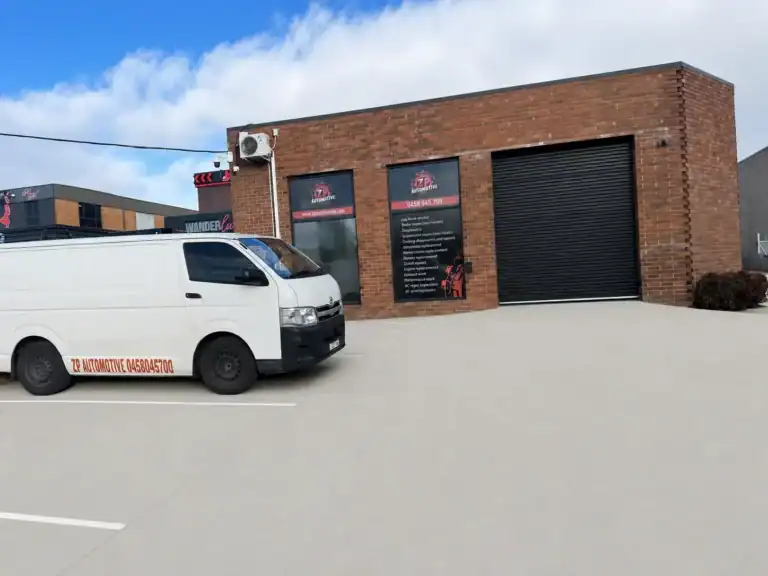
If you’ve noticed any brake warning signs or simply want your Mitsubishi’s brakes inspected and serviced, call us with Call & Book Now or claim your free inspection. We’re based in Mitchell and serve the greater Canberra area. Bring your Mitsubishi in, and we’ll get you back on the road with brakes you can trust.