Owner-Operated Workshop
Quality Parts & Oils
5.0★ Rating
Transparent Pricing

5.0 (Verified Reviews)

Local Jeep Brake Service In Mitchell

We inspect and service Jeep brakes in Mitchell with quality parts and plain-English advice on what needs doing now and what can wait.

Honest Advice

Quality Parts

5.0★ Rating

Jeep Brake Specialists

Claim Your Free Check

Fill in the form and we'll get back to you promptly — no obligation.

Booking Form
  • Vehicle Details
  • Confirm Vehicle
  • Services
  • Contact Details
No Upsell Scripts
Quality Parts Used
Plain-English Advice

Why Book With Us

Claim Your Free Inspection
Drop Off Your Car
We Get to Work
Back on the Road

Brake failure on a Jeep isn’t something you ignore. Whether you’re driving a Wrangler, Cherokee, or Gladiator around Mitchell, your brakes are the one system that has to work every single time. Jeep brake service keeps that certainty in place. If you’ve noticed soft pedal feel, longer stopping distances, noise when braking, or warning lights on your dash, your Jeep needs a proper inspection. We handle Jeep brake diagnostics and repairs here at our Mitchell workshop, and we’ll tell you exactly what’s worn, what needs replacing, and what can still wait.

Warning Signs Your Jeep Brakes Need Attention

Jeep brakes tend to give clear signals when they’re wearing out or failing. Pay attention to how your pedal feels and how your vehicle stops.

  • Soft or spongy brake pedal that sinks toward the floor
  • Longer stopping distance than normal, even with firm pressure
  • Squealing, grinding, or metallic noise when braking
  • Brake warning light or ABS light on your instrument cluster
  • Pulling to one side under braking, suggesting uneven pad wear or calliper issues
  • Vibration or pulsing through the pedal, common in Jeeps with warped rotors
  • Visible fluid leaks under the vehicle or wet spots in the wheel wells

Some of these signs develop gradually over time. Others appear suddenly. Either way, they mean your Jeep’s braking system is compromised and needs professional inspection. Driving on worn or failing brakes puts you, your passengers, and other road users at risk. We recommend getting your brakes checked as soon as you notice any of these symptoms.

How We Service Jeep Brakes in Mitchell

Jeep brake service isn’t a one-size-fits-all job. Different models, ages, and driving styles need different approaches, so we start with a thorough inspection.

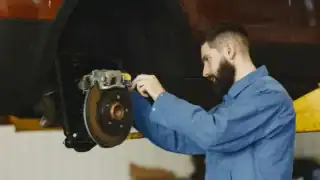
Inspection and diagnostics: We lift your Jeep, remove the wheels, and inspect pads, rotors, callipers, and hoses visually. We measure pad thickness and rotor runout to see if they’re within safe limits. We check brake fluid colour and condition – dark or cloudy fluid suggests contamination or age and needs flushing. For Jeeps with ABS, we perform a full scan to check for fault codes that might indicate sensor or module issues. Jeep ABS systems are reliable, but wear patterns in pads or rotors can trigger diagnostic trouble codes that need clearing after service.

Pad and rotor replacement: If pads are worn below minimum thickness, they come off. We’ll advise whether rotors need replacement or just resurfacing. New rotors run smoother and quieter, but resurfacing can work if the rotor hasn’t been resurfaced before and is still above minimum thickness. We use quality pads matched to your Jeep’s model and your driving style. We don’t use the cheapest no-name parts – we fit quality friction material that beds in properly and lasts.

Fluid and callipers: If your brake fluid is old or contaminated, we flush the system with fresh fluid to remove moisture and particles. Callipers get inspected for corrosion and fluid leaks. Sticky or failing callipers get rebuilt or replaced depending on condition. This matters in Jeeps because they’re often used in variable conditions – clay roads, water crossings, salty air – and callipers corrode faster than in city vehicles.

Bleeding and testing: After parts replacement, we bleed air from the system and test the pedal feel and stopping distance. We road test to ensure the brakes engage smoothly and bring the vehicle to a safe, controlled stop.

What Affects Brake Service Cost and Time for Your Jeep

Brake jobs aren’t all the same price or duration, and we keep you informed about what changes that.

Extent of wear: A simple pad replacement is faster and cheaper than a full service with rotor replacement, fluid flush, and callipers work. We won’t know the full scope until we inspect, which is why we always give you a clear estimate before we start.

Jeep model and age: Wranglers have a different brake layout and rotor size than Cherokees. Older models may have harder-to-source parts or require more labour to access. Newer Jeeps with electronic parking brake need specific procedures during callipers service.

Parts choice: OEM Jeep parts cost more than aftermarket equivalents, but they fit perfectly and perform predictably. We stock quality brands like Rico brake pads, which offer solid friction and durability. If you want OEM parts, we’ll source them for you and discuss the cost difference upfront.

Time on the job: Straightforward pad and rotor replacement usually takes a few hours. Fluid flushes, callipers rebuilds, or sensor diagnostics add time. We’ll give you a realistic timeframe once we’ve inspected your Jeep.

Why Mitchell Drivers Trust ZP Automotive with Jeep Brake Service

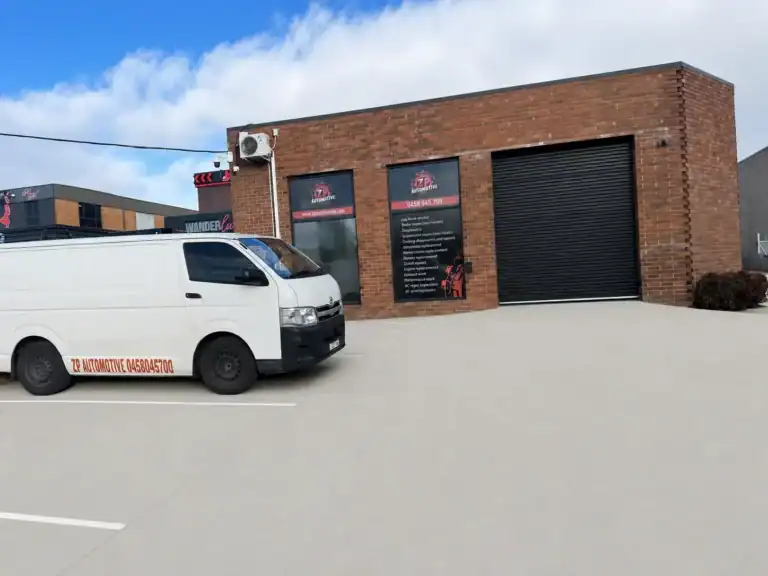
We’re an independent, owner-operated workshop with over 10 years in the trade. You deal directly with the mechanic doing the work – no service adviser, no upsell scripts, no dealership labour rates. Brendan knows how to diagnose brake issues quickly and fix them right the first time.

We use quality parts and fluids because cheap brakes fail faster and cost you more in the long run. Penrite oils and Rico pads are our standard – not the cheapest no-name stock that cuts corners. We explain what’s wrong, what it’ll cost, and what can wait. If your brakes are safe to drive home but need service soon, we’ll tell you that. If they’re unsafe, we’ll tell you that too. Fair, transparent pricing means you understand the cost before we touch your Jeep.

If you’re running a logbook service schedule, we’ll maintain your Jeep’s manufacturer warranty – independent brake service doesn’t void your coverage when done properly by a qualified mechanic. We handle everything from simple pad replacement to complex diagnostic work on ABS systems and brake modules. We also offer roadside assistance if you experience brake failure away from home, so you’re not stranded on the road.

Book Your Jeep Brake Service

If you’ve noticed any warning signs or your brakes are due for inspection, call us or claim your free inspection online. We’ll get your Jeep back to safe, confident braking.
Other Services

Whatever your needs we have you covered, see some similar services below or click "See All Services" to explore our full service offering.

Honest Mechanics, Fair Prices in Mitchell

Owner-operated and family-run, we give you straight answers, quality parts, and fair pricing without the dealership markup or the upsell scripts.

You Deal With the Mechanic

Talk directly to the owner — no service advisors, no middlemen, no upsell pressure.

Quality Parts, Honest Pricing

Bring your vehicle in and we’ll assess what’s needed before any work begins.

Jeep Brake System Warranty

Complete warranty on Jeep brake repairs using OEM-spec parts matched to your vehicle.

How Jeep Brake Service Works

From your free inspection to safe brakes on the road, here's what happens during your Jeep brake service.

Step 1

Claim Your Free Inspection

Claim your free brake inspection by calling or booking online to diagnose any brake issues.

Step 2

Jeep Brake System Inspection

We measure pad thickness, inspect rotors for wear, test brake fluid, and check Jeep-specific components.

Step 3

Precision Brake Repair

We replace pads, machine or replace rotors, flush fluid if needed, and bleed to OEM specs.

Step 4

Test Drive & Collection

We test your brakes on the road, explain the work completed, and return your vehicle ready to go.

What Our Customers Say

5.0 (Verified Reviews)

Quality Parts From Trusted Suppliers

We use quality oils and parts from reputable suppliers — including Penrite and Rico — because what goes into your car matters as much as the work itself.

Claim Your Free Check

Fill in the form and we'll get back to you promptly — no obligation.

Booking Form
  • Vehicle Details
  • Confirm Vehicle
  • Services
  • Contact Details
No Upsell Scripts
Quality Parts Used
Plain-English Advice

Why Book With Us

Claim Your Free Inspection
Drop Off Your Car
We Get to Work
Back on the Road

Got Questions? We Have Answers

Browse the common questions below. If yours isn't listed, give us a call and we'll give you a straight answer.

A standard brake service typically takes 1-2 hours, depending on what we find during inspection. If your brake pads are worn and rotors need machining or replacement, it may take longer. We’ll give you a clear estimate before we start work, so you know exactly how long to plan for. If you’re local to Mitchell, you’re welcome to wait in our workshop or grab a coffee nearby while we get the job done.

Soft or spongy brake pedal, grinding or squealing noises, vibration when braking, or a brake warning light on your dashboard are all signs something needs attention. Don’t ignore these, especially grinding sounds, which usually mean brake pads are severely worn and the metal rotor is being damaged. Brakes are safety-critical, so if you notice any of these symptoms, get them checked as soon as possible. Delaying brake repairs puts you and your passengers at risk.

No. Under Australian consumer law and ACCC guidance, having your Jeep serviced by a qualified independent mechanic does not automatically void your manufacturer warranty. What matters is that the service is carried out properly using quality parts and correct procedures. ZP Automotive uses quality brands like Penrite oils and performs work to standard specifications. That said, it’s worth checking your specific warranty documentation to confirm the details apply to your vehicle, or ask us when you book in.

We start with a full inspection of your brake system, including pads, rotors, calipers, hoses, and brake fluid. We measure pad thickness and rotor wear, test pedal feel and stopping power, and check for any leaks or damage. If pads are worn, we replace them with quality replacements. Rotors may be machined or replaced depending on their condition. We also top up or flush brake fluid if needed, then test drive to confirm everything’s working smoothly.

Jeeps can experience uneven pad wear and rotor glazing, particularly if driven in stop-start traffic or mountainous terrain. Some models show earlier brake fade under heavy braking or towing. We’ve seen these issues regularly in our workshop. Regular inspections help catch wear patterns early. Using quality brake components and keeping fluid clean also reduces the risk of expensive repairs down the track.

Most manufacturers recommend a brake inspection at least once a year or every 10,000 to 15,000 kilometres, whichever comes first. If you do a lot of city driving with frequent braking, or tow anything, brakes may wear faster and need checking more often. We can review your Jeep’s specific service schedule and advise based on your driving habits. Regular checks mean catching wear early, which saves money and keeps you safe on the road.

Brake fluid is hydraulic fluid that transfers pressure from your pedal to the brake calipers, allowing your brakes to work. Over time, it absorbs moisture from the air, which lowers its boiling point and reduces braking effectiveness, especially under heavy use or in hot conditions. Once contaminated, old fluid can cause brake fade or longer stopping distances. We check your brake fluid condition during every service and replace it if it’s degraded or hasn’t been changed within the manufacturer’s recommended interval.

No, you shouldn’t drive on severely worn pads. Once pads wear thin, metal backing directly contacts the rotor, causing heat buildup, noise, and rotor damage that becomes very expensive to repair. You lose braking power and responsiveness. If you hear grinding or feel a soft pedal, stop driving immediately and get your brakes checked. Early pad replacement is far cheaper than repairing rotors, calipers, or dealing with brake failure on the road.

A soft pedal usually means air has entered the brake lines or your brake fluid is low or contaminated. Air compresses under pressure, so it reduces stopping power and makes the pedal feel mushy. This can happen after brake work, if there’s a leak, or if fluid has absorbed moisture over time. You might also have worn seals in the master cylinder. This needs checking straight away because compromised brakes are a safety hazard. Don’t delay getting this inspected.

Brake pads are used in disc brake systems (which most modern Jeeps have), while brake shoes are used in drum brakes (now rare on new vehicles). Pads press against a rotor from both sides to create friction and stop the wheel. Shoes are curved components inside a brake drum that push outward to create friction. Most Jeeps use disc brakes on all wheels or discs in front with drums at the rear. We’ll identify which system your Jeep has and service it accordingly.

Continue to site