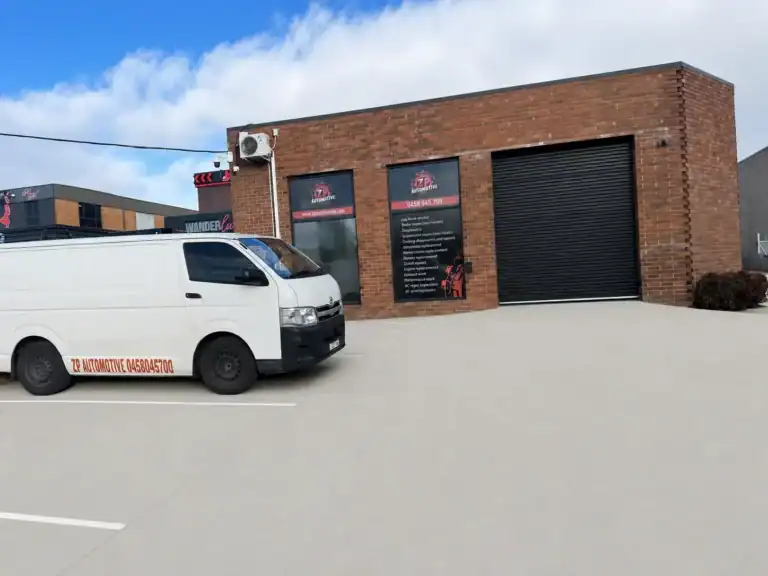
Your Hyundai’s braking system is one of the most critical safety systems on the vehicle. When your brakes need attention, waiting isn’t an option. Whether you’re hearing noises, feeling a soft pedal, or noticing warning lights, getting a professional inspection matters. At ZP Automotive in Mitchell, we specialise in Hyundai brake service, diagnosing what’s actually happening with your stopping power and fixing it right the first time.
Common Hyundai Brake Warning Signs
Hyundai vehicles often show clear signals when brake components are wearing or failing. Knowing what to listen and feel for helps you catch issues early, before they become serious.
- Squealing or squeaking noises when braking, particularly in light rain or cold mornings
- A spongy or soft brake pedal that feels less responsive than normal
- Grinding sounds during braking, usually indicating worn pads
- Brake warning light on the dashboard
- Brake fluid leaks under the vehicle or a drop in fluid level between services
- Pulling to one side when braking
- Vibration or pulsation through the brake pedal
- Reduced braking power or longer stopping distances
If you notice any of these, get your Hyundai checked soon. Brake problems get worse quickly, and a small issue today becomes an expensive one tomorrow.
How We Inspect Your Hyundai Brake System
Hyundai brake service starts with a proper diagnostic, not just a parts replacement. We follow Hyundai’s service schedules and use manufacturer-aligned procedures to understand what’s happening with your braking system.
Our inspection includes checking brake pad thickness and wear patterns specific to your Hyundai model. Different Hyundai vehicles use different pad compounds, and we look at how your pads are wearing to diagnose whether the issue is pads alone or something deeper. We inspect the rotors for damage, runout, and thickness. Hyundai rotors sometimes show uneven wear that points to caliper or suspension problems, not just worn pads. We examine the caliper pistons, seals, and sliding mechanisms to ensure they’re moving freely. Sticking calipers are common culprits in soft or unresponsive pedals. We test the brake fluid condition, colour, and moisture content. Hyundai vehicles benefit from regular fluid flushes, and old fluid can cause poor braking performance. We inspect brake hoses for cracks, leaks, or age-related degradation. Finally, we check the brake light switches and ABS sensors, which are part of the complete braking picture on modern Hyundais.
Once we’ve completed the full diagnostic, we’ll explain exactly what we found, what needs fixing now, and what can wait. No surprises, no pressure to replace parts you don’t need.
What’s Involved in a Hyundai Brake Service
The work we do depends entirely on what the inspection reveals. Sometimes it’s just pads. Other times, the rotors are damaged or the fluid needs replacing. Here’s what a typical brake service might include.
Brake pad replacement: We remove the wheels, take out the old pads, and fit new ones. We use quality pads that suit your Hyundai’s braking characteristics and driving conditions. We also clean the caliper contact surfaces so the new pads bed in properly.
Rotor resurfacing or replacement: If rotors are within safe limits but scored or glazed, we can machine them. If they’re too thin or damaged, we replace them with parts that match Hyundai’s specifications.
Brake fluid flush: Old fluid absorbs moisture and loses its effectiveness. A flush replaces all fluid in the system, ensuring your brakes respond properly.
Caliper maintenance: If a caliper is sticking, we clean and lubricate it or replace the entire unit if it’s faulty. Hyundai calipers are straightforward to work with, and we keep the right parts on hand.
Brake line or hose replacement: If we find leaks or deterioration, we replace these before they fail completely.
Cost and Turnaround for Hyundai Brake Work in Mitchell
Brake service costs vary based on what your Hyundai needs. A pad-only job is more straightforward than a full rotor and fluid replacement. Hyundai parts are readily available, which means we usually don’t face long waits for components. The severity of wear matters too. If your rotors are heavily scored, replacement takes longer than resurfacing. We use quality parts that meet Hyundai standards, not bargain-basement stock, which sits fairly in the middle of the pricing range. A single-axle pad replacement might take 1-2 hours. A full brake service with rotors and fluid can take 3-4 hours. We’ll give you a clear timeframe and cost estimate before we start work, so you know what to expect.
Why Choose ZP Automotive for Your Hyundai Brakes
When your brakes matter this much, you want a mechanic who understands your car and won’t upsell you. Brendan has 10 years in the trade, and he specialises in Hyundai diagnostics and brake work. We’re an independent, owner-operated workshop in Mitchell. You deal directly with the mechanic doing the job, not a service advisor with a script. We use quality parts like Penrite brake fluid, not no-name stock. We explain what’s wrong, what it’ll cost, and what can wait. Your Hyundai’s manufacturer warranty is protected with logbook servicing done to spec.
We’re competing against dealership service departments, and we offer better value without cutting corners on safety. Fair pricing, honest advice, and work you can trust. Our 5.0 verified reviews speak to the straightforward service our customers receive.
Book Your Free Hyundai Brake Inspection
If you’ve noticed any warning signs, or you’re unsure whether your brakes are safe, get a professional inspection. Call & Book Now or claim your free inspection online to book a time that suits you. We’ll check your Hyundai’s braking system thoroughly and give you a clear, honest assessment of what needs doing. Mitchell drivers trust us to keep their families safe on the road.