Your Honda’s braking system is one of the most critical safety features on the vehicle. If you’re experiencing soft pedals, longer stopping distances, squealing sounds, or warning lights on the dashboard, a professional Honda brake service in Mitchell is your next step. Brake problems don’t improve on their own, and even small issues can escalate quickly into safety risks for you and your passengers. At ZP Automotive, we specialise in diagnosing and servicing Honda brakes using thorough inspection methods and quality parts that match your vehicle’s engineering.
When Do You Need a Honda Brake Service?
Honda brakes typically show warning signs before they fail completely. Recognising these symptoms early can save you money and keep you safe on the road.
- A soft or spongy brake pedal that requires more pressure than usual to stop
- A low brake pedal that sinks closer to the floor when you press it
- Squealing or squeaking sounds when braking, especially in cool weather or after the car has sat overnight
- A grinding noise indicating brake pad material is worn through to the rotor
- The brake warning light illuminated on your instrument cluster
- Pulling or uneven braking to one side when you apply the brakes
- A burning smell after heavy braking or long descents
- Increased stopping distance or feeling like your brakes are less responsive than before
Even if you haven’t noticed obvious symptoms, Honda’s service schedule recommends brake inspection every 12 months or 15,000 kilometres, whichever comes first. Pad wear varies depending on your driving habits and terrain, so regular checks catch issues before they compromise safety.
What We Check During a Honda Brake Service
Our Honda brake service starts with a complete diagnostic inspection. We don’t just look at what’s worn; we test the entire system to identify root causes and prevent repeat problems.
Brake Pad and Rotor Assessment
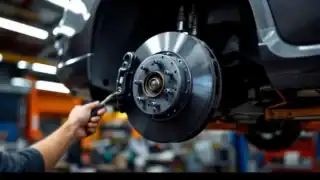
We measure pad thickness against Honda’s OEM specifications and inspect rotors for warping, scoring, or uneven wear. Honda vehicles are engineered with specific pad compounds and rotor tolerances, so we ensure replacements match your car’s design requirements. If rotors can be safely resurfaced, we’ll let you know; if they need replacement, we fit genuine-equivalent parts that perform to the same standard.
Brake Fluid Inspection
Brake fluid is hygroscopic, meaning it absorbs moisture from the air over time. Honda’s brake systems require fluid that meets strict DOT specifications. We test fluid condition and check for contamination. If fluid is old or degraded, a full flush removes moisture and restores consistent brake response. This step is often overlooked but directly affects how your brakes feel and perform.
Caliper and Piston Function
Seized or sluggish calipers can cause uneven braking, premature pad wear, and pulling to one side. We inspect piston movement and caliper slides to ensure they operate smoothly. If cleaning won’t restore function, we replace the affected caliper to restore balanced braking across all wheels.
Brake Lines and Hoses
We check all brake lines for cracks, leaks, or corrosion and test hoses for swelling or damage. Any compromise in the line system affects brake pressure and pedal feel. Honda models are prone to rust on brake lines in Australia’s variable climate, so inspection here is particularly important.
Throughout the service, we photograph findings and explain what we see before proceeding with any work. You’ll understand exactly what’s wrong and what needs attention now versus what can wait a few months.
Cost and Time: What Affects Your Service?
Brake service costs depend on several factors specific to your Honda and its condition.
Pad and rotor replacement: This is the most common item. Honda pads and rotors vary in price depending on whether you choose OEM-equivalent or quality aftermarket parts. We use Penrite and Rico branded components that match your Honda’s engineering standards without dealership markups.
Fluid condition and flushing: If your brake fluid is in good condition, inspection is quick. If flushing is needed, this adds time and material cost but is essential if fluid is old or contaminated.
Caliper or hose replacement: If we find seized calipers or damaged hoses, replacement becomes necessary. These are less predictable costs, but we’ll show you what we found and explain why it’s needed before proceeding.
Service time: A straightforward pad and rotor replacement typically takes 1.5 to 2.5 hours depending on your Honda model. If additional work like fluid flushing or caliper replacement is needed, we’ll give you an honest timeframe upfront. You won’t find yourself waiting unexpectedly.
Our pricing is transparent and fair. You’re paying for quality work and genuine-equivalent parts, not dealership labour rates or upsells you don’t need. We explain what it’ll cost, what can wait, and what’s critical for safety.
Why Choose ZP Automotive for Your Honda Brake Service in Mitchell
We’re an independent, owner-operated workshop with over 10 years in the trade. We specialise in brake diagnostics and service because brakes are safety-critical, and we don’t cut corners here. When you bring your Honda to us, you work directly with the mechanic doing the work. There’s no service advisor, no upsell scripts, no corporate checkout process. Just honest advice and quality workmanship.
We use quality parts and fluids from brands like Penrite and Rico that meet Honda’s engineering specifications. If your Honda is under warranty, logbook servicing with us keeps that warranty intact, because Australian consumer law protects your right to have vehicles serviced by qualified independent mechanics. We maintain your service history properly so there’s no ambiguity with your manufacturer’s warranty.
Our approach to brakes is straightforward: inspect thoroughly, explain clearly what we find, fix what’s needed safely, and send you out with confidence in your stopping power.
Next Steps: Book Your Honda Brake Service
If you’ve noticed any of the warning signs listed above, don’t wait. Brake safety degrades as issues compound, and responding early is always cheaper and safer than ignoring the problem. Claim Your Free Inspection or Call & Book Now to get a clear picture of your Honda’s condition. We’ll walk you through what we find and work out a service plan that fits your situation and budget.