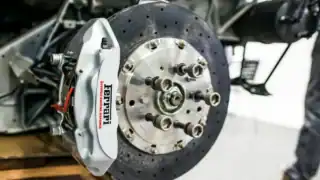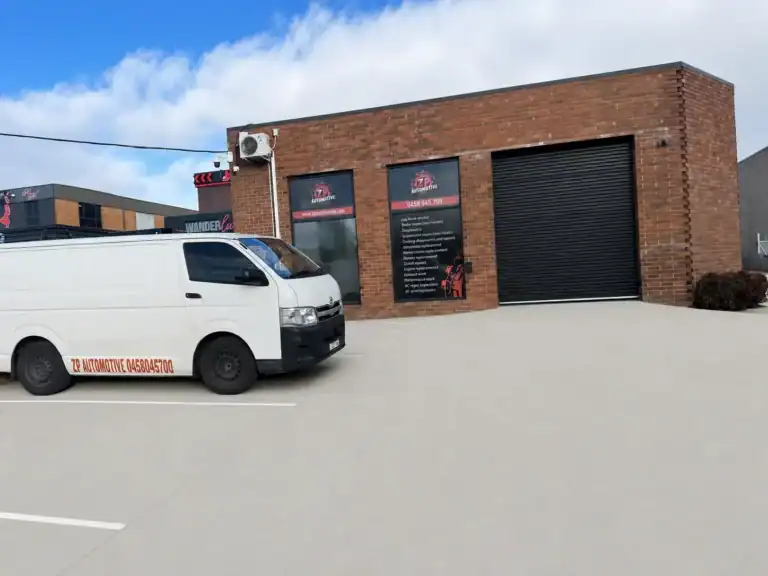
Honda brake repair is more than a routine maintenance task — it’s a safety-critical service that directly affects how well your Honda stops, and how safely you and your passengers travel. When brake issues appear, they often develop gradually, which means catching them early through a proper inspection can prevent costly damage and keep you out of danger. At ZP Automotive in Mitchell, we specialise in diagnosing and repairing Honda brake systems with the precision these vehicles need.
When Do You Need Honda Brake Repair?
Several warning signs indicate your Honda’s brakes need professional attention. Some are obvious; others are subtle enough to miss until a mechanic checks them properly.
- Soft or spongy brake pedal that sinks toward the floor
- Brake pedal feels harder to press than usual (may indicate brake booster issues)
- Squealing or grinding noises when braking, especially on cold mornings
- Brake warning light on the dashboard
- Vibration or pulsing through the brake pedal during braking
- Car pulls to one side when you brake
- Brake fluid leaking underneath the vehicle
- Reduced stopping power or longer stopping distance
Honda vehicles, particularly Civic and Accord models common throughout Canberra, are prone to uneven brake pad wear if wheel alignment drifts or brake calipers stick. Regular inspection catches these issues before they damage rotors or compromise safety. If you notice any of these symptoms, don’t wait – bring your Honda in for a full brake inspection.
What Happens During a Honda Brake Inspection and Repair
When you bring your Honda to us, we follow a systematic process designed to identify exactly what’s worn, damaged, or failing. This transparency means you’ll know what needs fixing and why, without any guesswork or unnecessary upsells.
Diagnostic Steps
We start by test-driving your Honda to feel how the brakes respond, then lift it safely and remove the wheels. From there, we measure brake pad thickness, inspect rotor surfaces for scoring or warping, check brake fluid condition and level, and examine calipers, hoses, and wheel cylinders for leaks or corrosion. For Honda models, we also inspect the brake booster – a component Honda owners should be aware of, as booster failure often mimics brake pad wear but requires different repair.
We’ll report findings in plain English: what’s safe to leave, what needs attention soon, and what must be fixed now. You’re in control of the decision.
Repair Work
Depending on what we find, repair work might include brake pad replacement, rotor resurfacing or replacement, brake fluid flush and refill, caliper rebuild or replacement, or hose repair. For logbook-serviced Hondas (especially newer models), we use parts and fluids that maintain your manufacturer warranty. We source quality components – Penrite brake fluid meets Honda OEM specifications – rather than cheap no-name stock that compromises stopping power or durability.
What Affects Repair Cost and Timeline for Honda Brake Work
Several factors influence how much time and money your Honda brake repair will take. Being upfront about these helps you understand the price before we start.
First, severity matters. Replacing brake pads alone takes 30-45 minutes per axle; replacing pads and rotors takes longer. If calipers need rebuilding or the brake booster has failed, the job expands. Second, parts availability can vary – genuine Honda parts may take a day or two to arrive, while quality aftermarket alternatives are often in stock. Third, your Honda’s model affects labour – a Civic’s tight engine bay can make some caliper work fiddlier than an Accord’s more spacious layout. Fourth, whether rotors can be resurfaced or must be replaced changes the bill significantly.
We won’t know exact costs until we inspect, but we’ll give you a clear estimate before proceeding. No surprises, no hidden charges. We also won’t replace parts unnecessarily – if your rotors are within safe thickness and not severely scored, we’ll say so.
Why Choose ZP Automotive for Your Honda Brake Repair in Mitchell
Canberra car owners often compare independent mechanics like us against dealership service departments. Here’s what we offer that dealerships don’t: you deal directly with the mechanic doing the work. There’s no service advisor, no pressure to upsell, no dealership labour rates that inflate the bill. Brendan brings 10 years in the trade to every job – he knows Honda systems inside out and won’t recommend work you don’t need.
We use quality parts and fluids that protect your car long-term, not the cheapest stock that fails in two years. For logbook-serviced Hondas, brake repairs through us maintain your manufacturer warranty, so you’re not sacrificing coverage by choosing an independent workshop. We’re transparent about pricing from the start, and we explain what’s wrong, what it costs, and what can wait.
Brake repair is safety-critical, which means it’s worth getting right. We treat every Honda that comes through our Mitchell workshop with the care it deserves. Our customers appreciate the fact that we’re family-run, owner-operated, and hold a 5.0 rating from verified reviews. That reputation is built on honest advice and fair pricing.
Book Your Free Honda Brake Inspection in Mitchell
If your Honda’s brakes are making noise, feel soft, or you’re overdue for an inspection, Call & Book Now or Claim Your Free Inspection online. We’ll diagnose the issue, explain exactly what’s needed, and give you a fair, transparent quote – no pressure, no dealership markup.