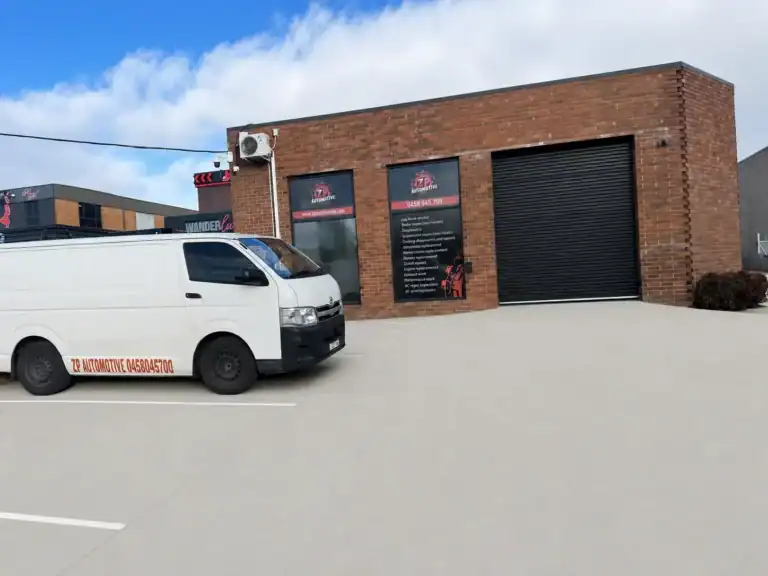
Owner-Operated Workshop
Quality Parts & Oils
5.0★ Rating
Transparent Pricing

5.0 (Verified Reviews)

Highly Rated Suzuki Brake Repair In Mitchell

We inspect and repair Suzuki braking systems in Mitchell with factory-spec parts and transparent pricing. You'll know exactly what's needed before we start.

Honest Advice

Quality Parts

5.0★ Rating

Suzuki Brake Diagnostics

Claim Your Free Check

Fill in the form and we'll get back to you promptly — no obligation.

Booking Form
  • Vehicle Details
  • Confirm Vehicle
  • Services
  • Contact Details
No Upsell Scripts
Quality Parts Used
Plain-English Advice

Why Book With Us

Claim Your Free Inspection
Drop Off Your Car
We Get to Work
Back on the Road

Suzuki brake repair is one of those services that keeps your car safe and your family protected. Brakes are the one system you rely on every single drive, and when something goes wrong, it needs attention fast. At ZP Automotive in Mitchell, we see Suzuki brake issues regularly enough to know exactly what to look for and how to fix them right the first time. Whether it’s worn pads, a soft pedal, or a grinding noise, we diagnose the problem honestly and explain what needs to happen next.

When Do You Need Suzuki Brake Repair?

Your Suzuki will usually give you clear warning signs before brakes fail. The most common signal is a squealing or squeaking sound when you brake, especially on cold mornings or after rain. This typically means your brake pads are worn down and the friction material is almost gone. If you ignore it, you’ll hear grinding instead, which means metal is now rubbing directly on the rotor. That’s more expensive to fix and puts you at real risk on the road.

Other warning signs include a soft brake pedal that requires more pressure than usual, a brake warning light on your dash, or a feeling that brakes are pulling to one side. Some drivers notice a burning smell after heavy braking, especially on hills or in heavy traffic. Any of these symptoms deserve a professional inspection before you drive much further.

Suzuki vehicles, depending on model and year, typically need brake pad inspection every 12 months or 20,000 kilometres, whichever comes first. Rotors and brake fluid last longer but do wear over time. If you’re doing regular logbook servicing, we check brake condition at each visit, so you’ll never be caught out.

What Happens When We Repair Your Suzuki’s Brakes

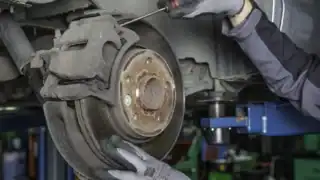
A proper Suzuki brake repair starts with a full inspection. We lift the vehicle safely and remove the wheels so we can see what’s actually going on. We measure pad thickness, inspect rotor condition, check for damage or warping, and examine the brake fluid for contamination. On Suzuki models, we also verify the brake booster function and check all brake hoses for cracks or leaks. This is not a quick glance, it’s a proper diagnostic that tells us exactly what needs replacing.

Once we know the extent of wear, we discuss options with you before we start work. If your pads are worn, we’ll replace them with quality equivalents that match Suzuki’s original specifications. We always replace both front or both rear pads together, never just one side, because uneven braking causes pulling and accelerates damage. If rotors are scored or glazed, we replace them too. We use genuine or quality aftermarket parts that are OEM-equivalent, never cheap stock that will wear out again in six months.

We flush and replace brake fluid if it’s contaminated or overdue. We bleed the brake system to remove air from the lines, which is critical for a firm, responsive pedal. On some Suzuki models, especially older Swift and Vitara variants, we test the brake booster separately to rule out vacuum leaks that can soften the pedal feel.

Throughout the job, we keep you in the loop. You’ll know exactly what we found, what we’ve done, and why each step matters. No surprises, no unnecessary parts swapped in.

What Affects the Cost and Time for Suzuki Brake Repair

The cost of Suzuki brake repair depends on several real factors. Front brakes generally cost less than rear brakes because front pads wear faster and are simpler to access. If only pads need replacing, the job is straightforward and quick. If rotors are damaged, warped, or rusted through, the cost goes up because both parts need replacement. Brake fluid replacement adds time and cost but is essential if contamination is present.

Parts availability can matter too. Most Suzuki brake parts are readily available in Australia, so we rarely have to wait. Labour time varies depending on how corroded or stuck the components are, especially on older vehicles. A straightforward pad replacement might take an hour, while a full brake reline with rotor replacement and fluid change can take three to four hours.

We price fairly and transparently. You’re not paying dealership labour rates, and we’re not using the cheapest no-name parts that’ll fail again next year. We use Penrite brake fluid and quality equivalent pads that meet Suzuki specifications, striking the balance between durability and honest cost.

Why Choose ZP Automotive for Your Suzuki Brake Repair in Mitchell

We’re an independent, owner-operated workshop where you work directly with the mechanic doing the job. No service advisor, no upsell scripts, no dealership markup. We’ve been doing this for over 10 years, and we’ve seen enough Suzuki models to know their brake systems inside out. We explain what’s wrong in plain English, tell you what it’ll cost, and be honest about what can wait and what can’t.

If you’re running logbook servicing on your Suzuki, we handle that too, and your manufacturer warranty stays intact. We’re equipped for ACT rego inspections, engine diagnostics, and air conditioning servicing as well. For brakes specifically, safety is non-negotiable, and we treat every repair with the seriousness it deserves. Our 5.0 verified reviews reflect the trust our customers place in us for honest, reliable service on their vehicles.

Suzuki Brake Repair and Safety in Mitchell

Brake safety is too important to leave to guesswork. When you bring your Suzuki to ZP Automotive in Mitchell for Suzuki car brake repair, you’re getting a mechanic who knows exactly what to look for on your specific model. Whether it’s a Swift, Vitara, Jimny, or Baleno, we understand how Suzuki designs its brake systems and what common wear patterns to expect. We don’t cut corners on safety, and we won’t recommend work you don’t actually need.

If you’ve noticed any brake symptoms, or if it’s been a while since your last brake inspection, contact us today. Call & Book Now to discuss your Suzuki’s brake needs, or Claim Your Free Inspection so we can show you exactly what’s going on and what we’d recommend. We’re here to keep you and your family safe on Mitchell roads.

Other Services

Whatever your needs we have you covered, see some similar services below or click "See All Services" to explore our full service offering.

Honest Mechanics, Fair Prices in Mitchell

Owner-operated and family-run, we give you straight answers, quality parts, and fair pricing without the dealership markup or the upsell scripts.

You Deal With the Mechanic

Talk directly to the owner — no service advisors, no middlemen, no upsell pressure.

Quality Parts, Honest Pricing

Bring your vehicle in and we’ll assess what’s needed before any work begins.

Thorough Multi-Point Brake Assessment

We check pads, rotors, lines and fluid to identify safety issues early.

How Suzuki Brake Repair Works

From your free inspection to safe brakes on the road, see what happens at our Mitchell workshop.

Step 1

Claim Your Free Inspection

Claim your free inspection to diagnose any brake faults and get a clear picture of what's needed.

Step 2

Brake System Inspection

We measure pad thickness, rotor wear, and fluid condition using precision tools to pinpoint repairs.

Step 3

Precision Brake Repair

We replace pads, rotors, or fluid with quality parts suited to your Suzuki, then test thoroughly.

Step 4

Test & Handover

We test-drive your Suzuki to confirm brakes feel solid and safe, then hand back your vehicle.

What Our Customers Say

5.0 (Verified Reviews)

Quality Parts From Trusted Suppliers

We use quality oils and parts from reputable suppliers — including Penrite and Rico — because what goes into your car matters as much as the work itself.

Claim Your Free Check

Fill in the form and we'll get back to you promptly — no obligation.

Booking Form
  • Vehicle Details
  • Confirm Vehicle
  • Services
  • Contact Details
No Upsell Scripts
Quality Parts Used
Plain-English Advice

Why Book With Us

Claim Your Free Inspection
Drop Off Your Car
We Get to Work
Back on the Road

Got Questions? We Have Answers

Browse the common questions below. If yours isn't listed, give us a call and we'll give you a straight answer.

Suzuki brake repair typically involves inspecting brake pads, rotors, calipers, brake fluid, and hoses to identify wear or damage. We’ll assess what needs replacing, clean components, and test the braking system before and after work. The exact scope depends on what’s causing the problem — sometimes it’s just pads, sometimes rotors need machining or replacement. We’ll explain what we find and what needs to happen before we start any work.

Common warning signs include squealing or grinding noises, soft or spongy brake pedal, longer stopping distances, brake warning light on the dashboard, or vibration when braking. If you notice any of these, have your brakes inspected as soon as possible. Don’t ignore warning lights or changes in how your brakes feel – these usually indicate wear or a problem that will only get worse and become more expensive to fix.

Most brake jobs take between 1-3 hours depending on what needs doing. Simple pad replacement is quicker; if rotors need machining or calipers require attention, it takes longer. We’ll give you a realistic timeframe once we’ve inspected your Suzuki. Many jobs can be done same-day, but we won’t rush the work to meet a deadline – quality comes first.

Australian consumer law, under ACCC guidance, generally permits vehicle owners to have repairs completed by qualified independent mechanics without affecting manufacturer warranty coverage. Your warranty is about the car, not who services it. We recommend checking your specific warranty paperwork or contacting your Suzuki dealer if you have concerns, but independent servicing at a qualified workshop shouldn’t impact your coverage. This is general information – for your particular circumstances, check your warranty documents.

Suzuki models with smaller brake systems or lighter weight tend to see different wear patterns than larger vehicles. Driving style matters significantly – frequent hard braking wears pads faster than smooth, gradual slowing. City driving with constant stopping wears them quicker than highway driving. Road conditions also play a role; gravel and salty roads increase wear. We can assess your brake system and let you know if your wear pattern is normal for your model or if something else is going on.

Brake issues are safety-critical and should not wait. If you’re experiencing reduced braking power, warning lights, or grinding noises, have your brakes inspected immediately – driving on failing brakes puts you, your passengers, and others at serious risk. Early wear or minor squealing can usually wait a few days for an appointment, but anything affecting stopping power needs attention today. When in doubt, get it checked before the next drive.

We use quality parts equivalent to genuine Suzuki specifications – brands like Rico provide reliable performance at fair value. We don’t use cheap no-name stock, but we also don’t charge dealership prices for genuine OEM parts if a quality equivalent meets the standard. We’ll tell you what we’re fitting and why, so you know exactly what’s going on your Suzuki. Quality, honest pricing, no surprises.

Ignoring a brake warning light means continuing to drive with a developing fault. This could be low brake fluid, worn pads, a faulty sensor, or a problem with the braking system itself. The longer you ignore it, the more damage occurs and the more expensive the repair becomes. In worst cases, brake failure can happen suddenly, leaving you unable to stop safely. Get it checked as soon as possible – it usually takes less than an hour to diagnose.

We recommend a brake inspection at least once a year, or sooner if you notice any changes in how your brakes feel or sound. If you do a lot of city driving with frequent stopping, twice-yearly checks are sensible. Most Suzuki logbooks don’t specify brake inspection intervals, but regular checks catch problems early before they become safety risks. Once we’ve inspected your brakes, we’ll suggest a sensible follow-up schedule based on wear and condition.

If brake work is part of your logbook service schedule, yes – we’ll stamp and record the service. If you’re bringing in your Suzuki for brakes only, logbook stamping depends on whether it’s due for scheduled maintenance at the same time. Check your logbook to see when your next service is due, and we can coordinate brake work with it if timing allows. Either way, we keep records of what we’ve done, so your service history is documented.

A soft or spongy brake pedal usually indicates air in the brake lines or low brake fluid. This is not safe to drive on – book an inspection immediately. We’ll check brake fluid levels, inspect hoses and seals for leaks, and bleed the system if needed to remove air and restore proper braking pressure. Don’t delay on this one; soft brakes are a safety issue that needs attention before your next drive.

We handle brake repairs in-house at our Mitchell workshop – brakes are one of our core services. With experienced technicians and proper diagnostic tools, we can inspect, repair, and test Suzuki braking systems properly. Whether it’s pads, rotors, calipers, or brake fluid work, we can do it. You’ll work directly with us for straightforward advice and fair pricing.

Continue to site