Owner-Operated Workshop
Quality Parts & Oils
5.0★ Rating
Transparent Pricing

5.0 (Verified Reviews)

Licensed & Insured Subaru Brake Repair In Mitchell

Subaru brake repairs in Mitchell done right. We inspect thoroughly, use quality parts, and explain exactly what's needed before we start work.

Honest Advice

Quality Parts

5.0★ Rating

Subaru Brake Specialists

Claim Your Free Check

Fill in the form and we'll get back to you promptly — no obligation.

Booking Form
  • Vehicle Details
  • Confirm Vehicle
  • Services
  • Contact Details
No Upsell Scripts
Quality Parts Used
Plain-English Advice

Why Book With Us

Claim Your Free Inspection
Drop Off Your Car
We Get to Work
Back on the Road

Brake problems on a Subaru demand attention fast. Whether you’re hearing squealing, feeling sponginess at the pedal, or noticing your car pulls to one side when braking, Subaru brake repair in Mitchell needs to happen before a minor issue becomes a safety risk. We see Subaru owners regularly, and we understand how these vehicles handle and what their braking systems need to work properly. Getting your brakes inspected and repaired promptly keeps you, your passengers, and everyone else on the road safe.

Common Warning Signs Your Subaru Needs Brake Repair

Your Subaru will usually tell you when something’s wrong with the brakes. The key is listening and acting on it.

  • High-pitched squealing or grinding sounds when braking, especially in wet weather
  • A soft or spongy brake pedal that travels further than usual
  • The brake pedal feels hard to press or requires excessive pressure
  • Visible brake fluid leaks under the car or on the wheel
  • Brake warning light illuminated on your dashboard
  • Vibration or pulsing through the pedal during braking
  • The car pulls sharply to the left or right when you brake
  • A burning smell after heavy braking or descending a long hill

Any of these signs mean it’s time to get your Subaru checked. Brakes are safety-critical, and waiting generally makes the repair more expensive, not cheaper.

What Happens During a Subaru Brake Repair Assessment

We don’t start pulling parts off until we know exactly what needs fixing. A proper diagnostic saves you money and keeps your car safe.

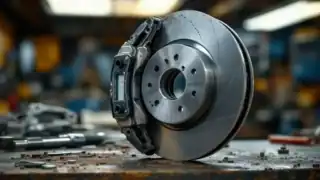
We lift your Subaru and visually inspect the brake pads, rotors, calipers, and brake lines on all four wheels. We check pad thickness against Subaru’s factory specifications. We look for uneven wear, which can signal caliper problems or suspension issues. We measure rotor thickness and check for scoring, warping, or rust. If there’s fluid in the system, we test its condition and look for signs of contamination or moisture.

On Subaru models, we pay particular attention to the brake booster and master cylinder. Subaru uses specific brake booster designs, and when these fail, the brake pedal becomes hard or unresponsive. We test the booster by running the engine and checking pedal feel before and after, which gives us a quick diagnostic. If the fluid level is low or dirty, we trace where it’s gone and why.

We also road test your Subaru to feel how the brakes respond under real conditions. This helps us catch pull, sponginess, or lag that a stationary inspection might miss. Once we’ve gathered all the information, we explain what’s worn, what’s safe, and what needs replacing now versus what can wait a few months.

What Parts and Repairs Are Common for Subarus

Subaru brakes are generally reliable, but wear patterns and common failures are predictable once you know what to look for.

Brake pads wear out first and most frequently. We fit quality brake pads matched to your Subaru’s model and driving style. Rotors often need resurfacing or replacement at the same time. If a rotor is too thin, warped, or severely scored, it has to be replaced, not turned. Subaru rotors come in different thicknesses depending on the model year and trim, so we use the right specification.

Brake fluid should be flushed and replaced according to Subaru’s logbook schedule, typically every two years or 30,000 kilometres. Old fluid absorbs moisture, which lowers its boiling point and can cause soft or fading brakes. On Subarus, we use fluid that meets DOT 3 or DOT 4 specifications as recommended for your model.

Calipers sometimes stick or seize, particularly on the rear wheels. When this happens, the pad wears unevenly, and braking becomes uneven. A seized caliper needs to be removed, cleaned, and rebuilt or replaced. Brake hoses can crack or develop internal blockages, and these need replacement, not repair.

Brake boosters do fail on some Subaru models. If your pedal is rock-hard or unresponsive, the booster is usually the culprit. These cannot be repaired, only replaced. It’s not a simple job, but it’s far less expensive than rebuilding the entire brake system.

Cost and Time for Subaru Brake Repair

What you’ll pay depends on what’s actually wrong and what parts need replacing. A brake pad and rotor replacement is straightforward and relatively quick. A brake booster replacement takes longer because the master cylinder and brake lines have to be disconnected. A complete brake fluid flush costs less than a caliper rebuild.

We use quality parts, not the cheapest no-name stock. Penrite and Rico are brands we trust. Genuine Subaru parts are available and often worth it for critical items like the brake booster, but quality aftermarket pads and rotors do the job well and cost less. We’ll tell you the difference before we start.

Time depends on severity. A pad and rotor replacement takes a few hours. A booster replacement might take longer. Parts availability can affect timing too, especially if you need genuine Subaru components. We’ll give you a realistic estimate before we book you in.

Why Bring Your Subaru Brake Repair to ZP Automotive in Mitchell

We’re an independent workshop, not a dealership. You deal directly with the mechanic doing the work, not a service advisor reading from a script. We explain what’s wrong in plain English, tell you what it costs, and don’t sell you work you don’t need.

We’ve been working on cars for over 10 years and see Subaru models regularly. We know what’s likely to fail and what’s a false alarm. We use quality parts and fluids. We don’t charge dealership labour rates, but we don’t cut corners either. When you book a free inspection, you get a real look at your brakes and honest advice about what to do next.

We also handle logbook servicing that keeps your Subaru warranty intact, engine diagnostics, air conditioning servicing, and wrong-fuel recovery. You’re dealing with a family-run, owner-operated workshop where transparency and fair pricing come first.

Next Steps

If your Subaru is showing any brake warning signs, don’t wait. Call us to book a free brake inspection in Mitchell, or claim your free inspection online. We’ll get you sorted with quality work and fair pricing.

Other Services

Whatever your needs we have you covered, see some similar services below or click "See All Services" to explore our full service offering.

Honest Mechanics, Fair Prices in Mitchell

Owner-operated and family-run, we give you straight answers, quality parts, and fair pricing without the dealership markup or the upsell scripts.

You Deal With the Mechanic

Talk directly to the owner — no service advisors, no middlemen, no upsell pressure.

Quality Parts, Honest Pricing

Bring your vehicle in and we’ll assess what’s needed before any work begins.

Subaru Brake System Expertise

We diagnose and repair Subaru brakes with brand-specific knowledge and proper tooling.

How Subaru Brake Repair Works

From booking to safe brakes on the road, we handle your Subaru brake repair professionally and transparently.

Step 1

Claim Your Free Inspection

Claim your free brake inspection and get honest advice on what repairs your Subaru needs.

Step 2

Subaru Brake System Assessment

We measure pad thickness, inspect rotors for damage, test brake fluid, and check Subaru components.

Step 3

Precision Brake Repair

We replace worn pads, machine or fit new rotors, and bleed the system using quality fluid to spec.

Step 4

Safety Check and Collection

We test your brakes, walk you through the work done, and hand back a safe, quiet brake system.

What Our Customers Say

5.0 (Verified Reviews)

Quality Parts From Trusted Suppliers

We use quality oils and parts from reputable suppliers — including Penrite and Rico — because what goes into your car matters as much as the work itself.

Claim Your Free Check

Fill in the form and we'll get back to you promptly — no obligation.

Booking Form
  • Vehicle Details
  • Confirm Vehicle
  • Services
  • Contact Details
No Upsell Scripts
Quality Parts Used
Plain-English Advice

Why Book With Us

Claim Your Free Inspection
Drop Off Your Car
We Get to Work
Back on the Road

Got Questions? We Have Answers

Browse the common questions below. If yours isn't listed, give us a call and we'll give you a straight answer.

Subaru brake repair typically starts with a full inspection of your brake system. We check pad thickness, rotor condition, brake fluid quality, and test braking response. Depending on what we find, we replace worn pads, resurface or replace rotors, service calipers, and top up or flush the fluid if needed. We’ll explain exactly what’s required before we start work.

Brake pad lifespan varies based on driving style and road conditions. Most Subaru owners see 30,000 to 70,000 kilometres from a set of pads. Heavy city driving and frequent braking wears them faster than highway driving. We inspect them during regular services and let you know when replacement is due, so you’re never caught off guard.

No, soft or spongy brakes signal a problem that needs immediate attention. This usually means air in the brake lines, a failing master cylinder, or brake fluid degradation. Delayed braking response is a safety risk for you and other road users. Stop driving the car unnecessarily and have it inspected straight away to avoid brake failure.

Squealing typically means brake pads are worn down and the wear indicator is rubbing the rotor as a warning. Grinding indicates the pads have worn completely and metal is now rubbing on metal, causing rotor damage. Both need prompt attention. Squealing is your cue to book an inspection before grinding occurs and repair costs increase significantly.

Brake pad replacement typically takes 1-2 hours depending on how many wheels need work. If rotors need machining or replacement, or if brake fluid flushing is required, the job takes longer. We’ll give you a realistic timeframe after we inspect your brakes. Many brake jobs can be completed same-day, but we prioritise doing the work properly over rushing.

Under Australian consumer law as explained by the ACCC, servicing at a qualified independent mechanic generally does not void your new-car warranty. This applies even for manufacturer logbook servicing. However, warranty terms vary by manufacturer and policy, so check your specific warranty documents or contact your Subaru dealer if you’re unsure about your individual circumstances. We stamp logbooks to keep your servicing record complete.

Brake pad replacement focuses on replacing worn pads and may include rotor inspection. A full brake service includes pad replacement, rotor assessment, brake fluid analysis, caliper inspection, and checking brake hoses and connections. A full service catches issues early and keeps your braking system healthy long-term. We recommend a full check whenever pads are replaced.

Subarus generally have well-engineered brake systems, but we do see some patterns. Certain model years experience accelerated rotor wear or occasional master cylinder issues. The all-wheel-drive models put slightly more demand on brakes when descending long hills. During inspection, we’ll let you know if your Subaru shows any of these signs so you can plan maintenance ahead.

No. A brake warning light indicates a problem in your braking system that could affect stopping ability. Common causes include low brake fluid, a failed brake pad sensor, or pressure loss in the hydraulic system. Do not ignore it. Have the system inspected immediately to confirm it’s safe to drive, then book repairs if needed.

We use quality parts matched to Subaru specifications. Brake pads, rotors, and fluid are selected for safety and longevity, not cheapest cost. We stock quality brands like Penrite brake fluid alongside OEM-equivalent components. We always discuss parts options with you before starting work so you understand what you’re getting and why we recommend it.

Continue to site