Brake failure is not something that develops overnight. When your Mazda’s brakes start to lose responsiveness, grind, or pull to one side, it’s your signal to get them inspected before the problem worsens. Mazda brake repair in Mitchell requires a solid understanding of how your particular model’s braking system works, because Mazda vehicles use different brake architectures across their range, and getting the diagnostics right matters for your safety and your wallet. At ZP Automotive, we inspect Mazda brakes the way they were designed to be checked, using make-specific diagnostic procedures to pinpoint exactly what’s failed and what can still wait.
Warning Signs Your Mazda Brakes Need Attention
Most people notice brake problems before they become dangerous. A soft or spongy brake pedal often points to air in the lines or worn brake pads pushing the caliper pistons further into travel. A loud grinding noise under braking is your brake pad wear indicators doing their job—they’re metal tabs that scrape the rotor once the friction material is gone. Pulling to one side during braking usually means uneven pad wear, a seized caliper, or contaminated brake fluid. Some Mazda owners report a creaking or clicking sound when braking in damp weather; this is often just surface rust on the rotors and clears after a few stops, but persistent noise needs a proper inspection.
- Soft, spongy, or low brake pedal that requires more pressure than usual
- Grinding, squealing, or metal-on-metal noise during braking
- Brake pedal feels like it’s sinking toward the floor
- Pulling to the left or right when braking
- Visible wear indicators showing the pads are thin
- Brake fluid leaks on the garage floor or under the car
Don’t ignore these signs. Brake wear is progressive, and catching it early costs less than an emergency brake repair or, worse, dealing with brake failure on the road.
How We Diagnose and Repair Mazda Brakes
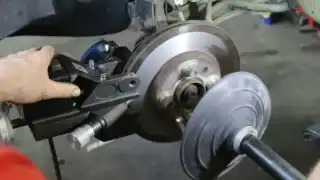
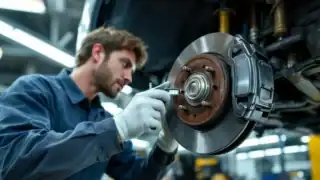
Every Mazda brake repair starts with a visual and hands-on inspection. We remove the wheels, measure the thickness of your brake pads and rotors, and look for leaks, corrosion, or damage to the brake lines and hoses. Mazda uses either single or dual-piston calipers depending on the model and year, so we assess whether the calipers are sliding freely and whether the pistons are retracting fully. We also check your brake fluid—it’s hygroscopic, meaning it absorbs moisture over time, and old, contaminated fluid can cause soft pedal feel and corrosion inside the brake components.
Once we’ve identified the issue, we discuss your options. If your pads are worn and the rotors are still within wear limits, a pad replacement is straightforward. If the rotors are scored, warped, or below the minimum thickness spec for your Mazda model, we’ll resurface or replace them. In some cases, calipers need servicing or replacement—this is more involved but necessary if they’re sticking or leaking. For any brake work, we use quality parts that match or exceed Mazda’s original specifications, not budget no-name stock, because your brakes are not the place to compromise on quality.
If you’re dealing with a soft or sinking pedal, we perform a system-wide check: we inspect the master cylinder, test the brake fluid condition, check for leaks in all wheel cylinders or calipers, and test the brake booster (if your Mazda has one) for vacuum loss. Mazda brake booster repair requires specialist tools and a clear diagnosis, so we don’t guess—we test first, then repair what’s actually broken.
What Influences the Cost and Timeline of Brake Repair
Several factors affect how much your brake repair will cost and how long it takes. Brake pad replacement alone is relatively quick and affordable. Adding rotor resurfacing or replacement increases the scope. If calipers or the brake master cylinder need servicing or replacement, the job becomes more complex and time-intensive. The age and mileage of your Mazda also matters—older vehicles are more likely to have corroded brake lines or deteriorated hoses that need replacing alongside the main repair.
Parts availability plays a role too. OEM Mazda brake components are generally in stock or arrive quickly; aftermarket equivalents may take longer if we need to order them. We always discuss parts options with you upfront and explain the difference in price and quality. We don’t automatically upgrade you to the most expensive option, and we don’t recommend parts you don’t need just to increase the bill.
Turnaround time varies. A simple pad and rotor replacement can often be completed within a day. More complex work—like a master cylinder replacement or a full brake system bleed and rebuild—may take longer, but we’ll give you a clear timeframe before we start and keep you updated as we go.
Why Mazda Owners in Mitchell Choose ZP Automotive for Brake Repair
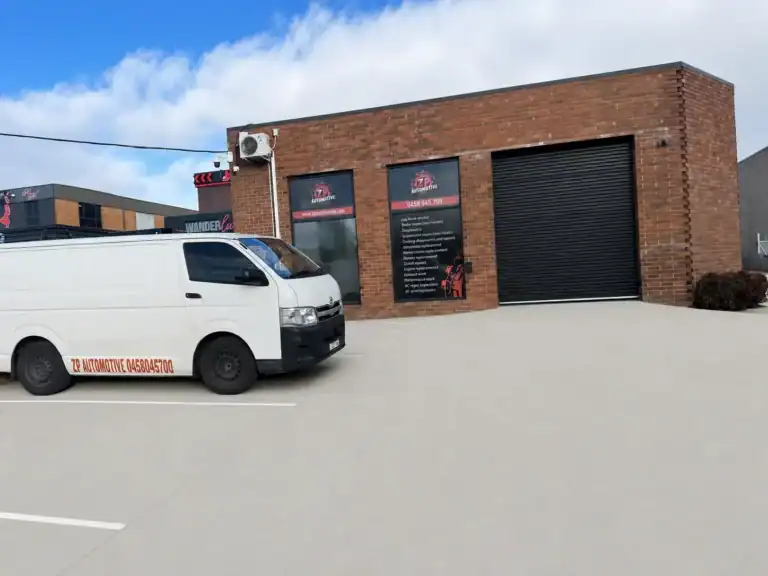
You’re dealing with someone who has spent over ten years in the trade and understands how Mazda brakes are supposed to work. We’re owner-operated and independent, which means you talk directly to the mechanic doing the work, not a service advisor reading from a script. We explain what’s wrong in plain English, tell you what it’ll cost, and let you decide what gets fixed now and what can wait. No upsell, no dealership labour rates, just honest advice based on what your Mazda actually needs.
We use quality parts and fluids—Penrite and Rico, not the cheapest no-name alternatives—because brake safety is non-negotiable. Your brake repair won’t be the fastest or flashiest, but it will be thorough, transparent, and fairly priced. If you’re running a logbook service schedule, your Mazda brake repair fits seamlessly into your maintenance plan and doesn’t jeopardise your manufacturer warranty. We also handle wrong-fuel recovery, vehicle lockout assistance, and air conditioning servicing, so Mitchell customers know they can rely on us for more than just brakes.
Get Your Mazda Brakes Inspected in Mitchell
If your brakes feel soft, sound wrong, or you’re overdue for a pad inspection, call us or book your free inspection online. We’ll find out exactly what’s needed, explain it clearly, and get your Mazda braking safely again. Call & Book Now or Claim Your Free Inspection today.