Brake replacement on a Mazda is one of the most important safety services your vehicle will need. Whether you’re driving a Mazda3, CX-5, or another model around Mitchell, worn or damaged brakes directly affect your ability to stop safely and protect yourself and your passengers. Mazda brake replacement isn’t just about swapping out worn pads or rotors—it’s about diagnosing what’s actually worn, understanding why, and fixing it properly the first time so your brakes work as Mazda designed them to.
What Triggers Brake Replacement on a Mazda?
Most drivers notice brake issues through their senses before they think about scheduling service. Listen for a squealing or grinding sound when you brake, especially in the morning or during light braking. Feel for a soft, spongy brake pedal, or one that requires more pressure than usual to stop. Watch for a brake warning light on the dashboard—Mazda’s brake system monitoring is fairly sensitive and lights up for a reason. Some Mazda owners also report a vibration or pulsing feel through the pedal or steering wheel during braking, which usually points to warped rotors.
- High-pitched squealing during normal braking (often a pad wear indicator)
- Grinding noise, especially if squealing has been ignored
- Soft or squishy brake pedal that sinks toward the floor
- Brake pedal feels hard and requires excessive force to stop
- Brake fluid leaking under the vehicle (visible wet spots)
- Pulsing or vibration through the pedal during braking
- Vehicle pulling to one side when braking
- Brake warning light illuminated on the dashboard
Mazda vehicles typically need brake pad replacement every 40,000 to 70,000 kilometres, though this varies based on your driving style, local conditions, and whether you’re using genuine Mazda parts or quality aftermarket equivalents. If you’re doing a lot of short trips, heavy city driving, or towing, your pads may wear faster. Brake rotors usually last longer than pads but often need replacement when pads are changed, especially if they’ve developed scoring or become too thin.
How We Diagnose and Replace Mazda Brakes in Mitchell
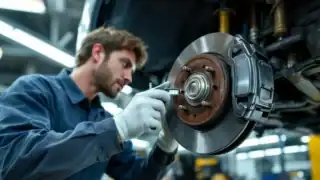
We start with a full brake inspection on your Mazda before deciding what actually needs replacing. That means removing the wheels, measuring pad thickness with precision tools, checking rotor runout and surface condition, inspecting brake fluid for contamination, and testing the brake system for leaks or soft spots. Mazda’s brake systems vary between models—the CX-5 has different brake specifications than a Mazda2, and rear drum brakes on some models require a different approach than disc brakes. We check your vehicle’s service schedule and any existing service history to understand what’s appropriate for your specific Mazda.
Once we know what’s needed, we explain it plainly: which components are worn, why they need replacement, what the options are, and what the cost and timeline look like. We don’t recommend replacement work you don’t need, and we don’t leave things half-done. If your pads are worn but rotors are still within specification, we’ll tell you that. If both need replacing, we’ll explain why and what difference quality parts will make.
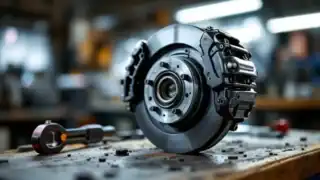
The actual replacement process depends on what we’ve found. Pad replacement typically involves removing the wheel and calliper, cleaning and inspecting calliper guides and slides, fitting new pads, bedding them in properly, and testing the brakes before you drive away. If rotors need turning or replacing, we remove them, measure them, and either machine them back to specification (if safe to do) or install new ones. We use quality parts—Penrite brake fluid and pads or rotors that meet Mazda’s OEM specifications or equivalent—not the cheapest no-name stock. Brake work is too critical for false economy.
What Affects the Cost and Time for Your Mazda Brake Work
Several factors determine the final cost and how long your Mazda will be with us. The severity of wear matters: if only pads are worn and rotors are fine, it’s a shorter and less expensive job than a full front and rear replacement with new rotors on all wheels. Parts availability can delay work slightly if we need to source genuine Mazda components, but we carry common sizes in stock. The condition of your brake fluid, calliper hardware, and whether there’s corrosion or damage to other brake components can add time and cost if we find problems during inspection.
We won’t inflate the bill with work you don’t need, and we won’t cut corners with cheap parts. Your Mazda’s brakes are safety-critical, and we price our work to reflect quality workmanship and quality materials, not dealership labour rates. We’ll give you an honest assessment before we start, and you’ll understand what you’re paying for.
Why Choose ZP Automotive for Your Mazda Brake Replacement
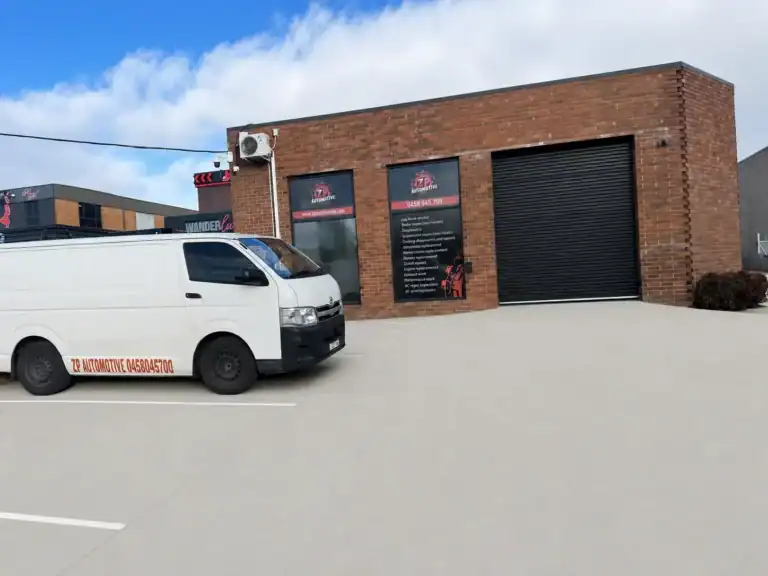
We’re an independent, owner-operated workshop in Mitchell with over 10 years in the trade. You deal directly with the mechanic doing the work—no service adviser, no upsell script, no pressure to buy things you don’t need. We specialise in brake work and diagnostics, and we understand how different Mazda models behave. We use quality parts like Penrite and Rico that we trust, and we logbook service Mazda vehicles in a way that keeps your manufacturer warranty intact. Our pricing is transparent and fair, and we explain what’s wrong, what it’ll cost, and what can wait. Brakes are one of our core strengths, and we take them seriously. Our 5.0 star verified reviews speak to our commitment to honest, straightforward service.
Next Steps
If you’ve noticed any of these brake symptoms on your Mazda, the safest move is to get it inspected sooner rather than later. Claim Your Free Inspection online or Call & Book Now and we’ll check your brakes thoroughly and let you know exactly what’s needed. We service the Mitchell area and are ready to help keep your Mazda stopping safely.