Owner-Operated Workshop
Quality Parts & Oils
5.0★ Rating
Transparent Pricing

5.0 (Verified Reviews)

Dependable Brake Fluid Change In Mitchell

Old brake fluid absorbs moisture over time, which reduces stopping power when you need it most. We flush and refill your system at our Mitchell workshop so your brakes perform the way they should.

Honest Advice

Quality Parts

5.0★ Rating

Penrite Brake Fluid

Claim Your Free Check

Fill in the form and we'll get back to you promptly — no obligation.

Booking Form
  • Vehicle Details
  • Confirm Vehicle
  • Services
  • Contact Details
No Upsell Scripts
Quality Parts Used
Plain-English Advice

Why Book With Us

Claim Your Free Inspection
Drop Off Your Car
We Get to Work
Back on the Road

A brake fluid change is one of those jobs that’s easy to forget but quietly important. Brake fluid absorbs moisture over time, and once it does, it boils at a lower temperature and stops working the way it should. That can mean a soft or spongy pedal when you really need to stop. At our Mitchell workshop, we flush the old fluid out and replace it with fresh fluid to the right specification, so your brakes feel firm and respond properly every time you press the pedal.

Why Does Brake Fluid Need Changing?

Brake fluid is hygroscopic, which is a fancy way of saying it draws in water from the air. Even sealed in the system, it slowly takes on moisture through seals and hoses over the years. Water in the lines lowers the boiling point of the fluid, and under hard or repeated braking, the fluid can boil and form air bubbles. Air compresses where fluid doesn’t, and that’s what gives you a soft, sinking pedal.

Moisture also causes corrosion inside the brake lines, the master cylinder and the calipers. Left long enough, that internal rust can lead to expensive repairs that a simple fluid change would have prevented. Most manufacturers set a service interval for brake fluid, often every couple of years regardless of how many kilometres you’ve driven.

Signs Your Brake Fluid Is Due

  • The brake pedal feels soft, spongy or sinks slowly toward the floor
  • Brakes feel less sharp after long downhill runs, like coming off Mount Ainslie or the Brindabella drives
  • It’s been two years or more since your last fluid change and you can’t remember it being done
  • The fluid in the reservoir looks dark or murky instead of clear and amber
  • A brake warning light appears on the dash

If the pedal already feels wrong, don’t wait. Brakes are safety-critical, and a soft pedal is your car telling you something needs looking at.

What Happens During a Brake Fluid Change

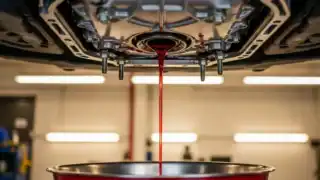
We start by checking the fluid level and condition in the reservoir, and we’ll often test the moisture content so we can tell you exactly where it sits. From there, we draw out the old fluid and flush fresh fluid through the entire system, bleeding each wheel in the correct order until clean fluid runs through with no air left in the lines.

While we’ve got the wheels off, we take a look at the surrounding brake components, the pads, discs, lines and hoses, and let you know if anything else is wearing. We match the fluid to your vehicle’s specification, whether that’s a DOT 3, DOT 4 or higher rating, using quality product rather than the cheapest no-name stock. We won’t push work you don’t need. If something can wait, we’ll tell you it can wait.

What Affects the Cost and Time?

A few things shape the job. The size and type of the braking system matters, as does the fluid specification your car requires, since some vehicles call for a higher grade that costs a little more. If we find moisture has caused corrosion, or a hose or seal is past its best, that adds to the work, and we’ll always explain why before doing anything.

Most brake fluid changes are a straightforward, same-visit job. We give you a clear price up front, with no dealership labour rates and no surprises when you collect the car. You deal directly with the mechanic doing the work, so there’s no service advisor and no upsell script in the middle.

Why Choose ZP Automotive in Mitchell?

We’re an independent, owner-operated workshop, and Brendan brings more than ten years in the trade to every job on the bench. Brakes are one of our specialty areas, so a fluid change here is in steady, experienced hands. We use quality brands like Penrite, and we keep our advice plain and honest, telling you what’s actually going on with your car in language that makes sense.

Alongside brake work, we also handle logbook servicing that keeps your manufacturer warranty intact, ACT rego inspections, engine diagnostics, air conditioning servicing, and wrong-fuel recovery and roadside lockout help. Whatever brought you in, you’ll get a fair price and straight answers.

If your brake pedal feels soft or it’s been a while since your last fluid change, use Call & Book Now, or Claim Your Free Inspection online. We look after drivers across Mitchell and right around north Canberra.
Other Services

Whatever your needs we have you covered, see some similar services below or click "See All Services" to explore our full service offering.

Honest Mechanics, Fair Prices in Mitchell

Owner-operated and family-run, we give you straight answers, quality parts, and fair pricing without the dealership markup or the upsell scripts.

You Deal With the Mechanic

Talk directly to the owner — no service advisors, no middlemen, no upsell pressure.

Quality Parts, Honest Pricing

Bring your vehicle in and we’ll assess what’s needed before any work begins.

Safety-Critical Work Done Right

Brake fluid affects stopping power — we don’t cut corners on what goes in.

How a Brake Fluid Change Works

Brake fluid servicing at ZP Automotive is four clear steps from booking to back on the road.

Step 1

Claim Your Free Inspection

Call and Book Now or Claim Your Free Inspection to confirm whether your brake fluid needs changing.

Step 2

Brake Fluid Condition Check

We test your existing fluid for moisture content and contamination using a brake fluid tester before any work begins.

Step 3

Full Fluid Flush and Refill

We flush the old fluid from the entire braking system and refill with fresh, specification-matched Penrite fluid.

Step 4

Verified and Ready to Go

We confirm firm pedal feel and check for leaks before handing the keys back to you.

What Our Customers Say

5.0 (Verified Reviews)

Quality Parts From Trusted Suppliers

We use quality oils and parts from reputable suppliers — including Penrite and Rico — because what goes into your car matters as much as the work itself.

Claim Your Free Check

Fill in the form and we'll get back to you promptly — no obligation.

Booking Form
  • Vehicle Details
  • Confirm Vehicle
  • Services
  • Contact Details
No Upsell Scripts
Quality Parts Used
Plain-English Advice

Why Book With Us

Claim Your Free Inspection
Drop Off Your Car
We Get to Work
Back on the Road

Got Questions? We Have Answers

Browse the common questions below. If yours isn't listed, give us a call and we'll give you a straight answer.

Most manufacturers recommend replacing brake fluid every two years or roughly every 40,000 kilometres, whichever comes first. Brake fluid absorbs moisture from the air over time, which lowers its boiling point and reduces braking performance. If you drive frequently in hilly areas or do a lot of stop-start city driving, the fluid degrades faster. Checking your owner’s manual is the best starting point, but if you’re unsure, we can test the moisture content of your existing fluid and give you a straight answer.

Old, moisture-laden brake fluid can boil under heavy braking, creating vapour bubbles in the brake lines. When that happens, the pedal can feel soft or spongy because you’re compressing gas instead of fluid. In severe cases, braking distance increases noticeably. Moisture in the system also corrodes brake callipers, master cylinders, and ABS components over time. Replacing fluid on schedule is one of the cheaper brake jobs you can do, and it prevents far more expensive repairs down the track.

For most passenger cars, the process takes roughly 30 to 60 minutes. We flush the old fluid completely from the system, bleed each brake line in the correct sequence, and refill with fresh fluid to the correct specification. If the brake lines show signs of contamination or there are related issues to address, it may take a little longer. We’ll let you know upfront if anything unexpected comes up rather than surprising you at the end.

The main variables are the type of fluid your vehicle requires, the volume needed to flush the system completely, and whether any brake components need attention at the same time. Vehicles that call for DOT 4 or DOT 5.1 fluid cost slightly more to service than those using standard DOT 3. Labour time is generally consistent across most cars. We don’t quote one price and charge another, so you’ll know the cost before we start.

We start by checking the current fluid for moisture content using a calibrated tester. From there, we drain the old fluid from the master cylinder reservoir and then bleed each brake calliper or wheel cylinder in sequence, pushing fresh fluid through until the old fluid is completely cleared from the lines. We top up to the correct level, check for any leaks, and confirm the pedal feels firm before the car leaves. It’s a straightforward job when done properly, but sequence and technique matter.

Under ACCC guidance, Australian consumer law generally allows you to have your vehicle serviced by a qualified independent mechanic without voiding the manufacturer warranty, provided the correct fluid specification is used and the service is documented. This is general information rather than legal advice, so it’s worth checking your specific warranty terms if you have any concerns. At our workshop in Mitchell, we use the correct fluid grade for your vehicle and record the service properly so your logbook stays complete.

A soft or spongy brake pedal is the clearest sign. You might also notice the pedal travelling further than usual before the brakes bite, or a slight burning smell after hard braking on a steep descent. Dark, discoloured fluid in the reservoir is another indicator worth acting on. These symptoms don’t always mean the fluid alone is the problem, but a fluid test is a quick and inexpensive place to start before looking at other components.

Mixing fluid types is generally not recommended and can cause problems. DOT 3, DOT 4, and DOT 5.1 are glycol-based and can technically be mixed in an emergency, but doing so dilutes the performance of the higher-spec fluid and accelerates moisture absorption. DOT 5, which is silicone-based, must never be mixed with the others. A proper flush replaces all the old fluid rather than topping up on top of degraded stock. If your reservoir is regularly running low, that points to a leak worth investigating.

Continue to site