Brake fluid is the hydraulic medium that transfers your foot pressure at the pedal into stopping force at each wheel. For Subaru vehicles, a Subaru brake fluid change is a critical maintenance task that directly affects your safety and braking reliability. Unlike brake pads, which wear visibly over time, brake fluid degrades invisibly—it absorbs moisture from the air, loses its boiling point, and becomes less effective at transferring pressure. At ZP Automotive in Mitchell, we service Subaru brake systems regularly and see firsthand how fluid condition impacts stopping performance, especially on the steep grades and varied terrain around the region.
Why Subaru Brake Fluid Deteriorates and When You Need a Change
Brake fluid is hygroscopic, meaning it absorbs moisture over time. This happens through microscopic pores in brake lines and seals, not from leaks you can see. As moisture accumulates, the fluid’s boiling point drops. If you brake hard on a long descent, or brake repeatedly in heavy traffic, the fluid heats up. Low-boiling-point fluid can vaporise inside the brake lines, creating air bubbles that compress instead of transmitting pressure. This leads to a soft, spongy brake pedal and longer stopping distances—a genuine safety issue.
Subaru’s factory service schedule typically recommends a brake fluid change every two years or 40,000 kilometres, whichever comes first. If you drive in demanding conditions—lots of towing, steep mountain roads, frequent heavy braking—fluid degrades faster and should be inspected more often. Even if you don’t hit the mileage interval, time alone degrades brake fluid. A vehicle that sits for months in a garage still accumulates moisture in its brake system.
Common warning signs include a soft or squishy brake pedal that requires extra foot pressure to stop, a feeling that the brakes lack their usual responsiveness, or visible discolouration in the fluid reservoir (it should be clear to pale amber; dark brown or black fluid is old and degraded). Some drivers notice the brake warning light flickering briefly when braking hard. These are reasons to have the system inspected promptly.
How We Service Your Subaru’s Brake System
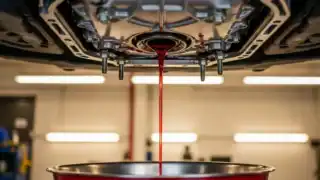
A proper Subaru brake fluid change goes beyond simply draining and refilling. We follow Subaru’s specification for the service, which involves a full system flush—removing old fluid from all four brake callipers, the master cylinder, and the brake lines, then replacing it with fresh fluid that meets OEM standards.
Here’s what the process looks like. First, we inspect the entire brake system visually—hoses, lines, callipers, and the master cylinder—for leaks, cracks, or corrosion. We check the pad thickness and rotor condition while we’re there; if pads are worn or rotors are scored, we’ll flag that for you. Next, we connect a brake fluid bleeder tool to each wheel, starting with the callipers farthest from the master cylinder. We run fresh fluid through the lines until all old fluid and air bubbles are purged. We test the pedal feel between wheels to ensure consistent pressure. Finally, we top up the reservoir and verify that the warning lights have cleared and the system holds pressure.
For Subaru models with anti-lock braking (ABS) systems—which most modern Subarus have—we use a pressure bleeder to verify fluid reaches the ABS module correctly. Improper bleeding can leave air trapped in the ABS unit, which can cause the warning light to stay on or the brakes to feel inconsistent. We’re familiar with Subaru’s ABS layouts across common models and know the correct bleeding sequence for your vehicle.
What Affects Cost and Timeline for This Service
The main variable is whether your brake system has complications. If everything is clean and functioning, a straightforward Subaru brake fluid change typically runs smoothly. If we find corroded lines, failing callipers, or a degraded master cylinder during inspection, those issues will need addressing before or alongside the fluid change. We’ll explain exactly what we find and what you need to do—no surprises.
Parts availability is rarely an issue; Subaru brake fluid is a standard DOT 3 or DOT 4 specification available quickly. We use quality fluid that meets or exceeds OEM standards, not bargain-bin stock. Turnaround depends on current workshop load and whether additional repair work is needed, but a routine fluid flush typically takes a few hours.
Why Subaru Owners Choose ZP Automotive for Brake Servicing
We’re an independent workshop with 10+ years of hands-on experience in the trade. Unlike dealership service departments, you deal directly with the mechanic doing your work—no service advisor scripts, no pressure to upsell parts you don’t need. We explain what’s wrong, what it costs, and what can wait. When you bring your Subaru in for a brake fluid change, you’ll know exactly what we’ve found and why before we start any work.
We use quality parts and fluids—Penrite and other reputable brands—because cutting corners on brakes is not an option. Your warranty on Subaru servicing remains intact when you have work completed by an independent mechanic like ZP Automotive; logbook servicing doesn’t require a dealership to keep coverage valid.
We also handle the specialist jobs that come up: wrong-fuel recovery if you’ve accidentally filled a diesel Subaru with petrol, ACT rego inspections, engine diagnostics if a warning light appears alongside brake symptoms, and roadside assistance for lockouts or other stranded-vehicle emergencies.
Brake Fluid Change Service in Mitchell: Next Steps
If your Subaru’s brake pedal feels soft, the fluid is dark, or you’re due for a scheduled change, reach out to us in Mitchell. Call and Book Now to arrange your service, or Claim Your Free Inspection so we can assess your brake system, explain what we find in plain language, and give you a fair, transparent quote with no dealership labour rates attached.