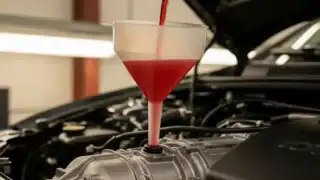
Brake fluid is one of those things that doesn’t get much attention until something goes wrong, but it’s absolutely critical to your European vehicle’s safety. European Vehicles Brake Fluid Change isn’t just a maintenance task; it’s a safety essential that directly affects how your brakes respond when you need them most. Over time, brake fluid absorbs moisture from the air, which lowers its boiling point and can lead to brake fade, soft pedal feel, or even brake failure in extreme cases. Here in Mitchell, we see European vehicles regularly, and brake fluid condition is one of the first things we check during any service.
How Do You Know Your European Vehicle Needs a Brake Fluid Change?
The tricky part about brake fluid is that you can’t see degradation happening. Unlike brake pads, which wear visibly, fluid deteriorates invisibly as it absorbs moisture and collects contaminants. However, there are real warning signs you should watch for:
- A soft or spongy brake pedal that feels like it’s sinking toward the floor
- Reduced braking responsiveness, especially under hard braking or towing
- A mushy or vague feel compared to how your brakes normally respond
- Moisture or discolouration visible in the brake fluid reservoir (darker fluid suggests contamination)
- Any brake warning light on your dashboard
Many European manufacturers recommend a complete brake fluid flush and refill every two to three years, regardless of mileage. Some models have specific intervals in their service schedule, particularly those with advanced ABS or electronic stability control systems that are sensitive to fluid quality. If you’re due for logbook servicing, your manufacturer’s schedule will specify the interval for your model.
What Happens During a European Vehicles Brake Fluid Change
A proper brake fluid change isn’t just topping up the reservoir. We perform a complete system flush to remove old fluid, moisture, and particles that have accumulated over time. Here’s what the process involves:
First, we inspect the entire brake system, checking hoses, lines, and connectors for wear, leaks, or damage. Many European vehicles have brake lines routed in ways that can be prone to corrosion in certain areas, and we look for those problem spots during inspection. We then connect specialised bleeding equipment to systematically flush fresh fluid through each wheel circuit, starting from the bleeder valves furthest from the master cylinder and working toward the closest.
The fluid we use must meet the OEM specification for your European vehicle. Different systems require different fluid types: DOT 3, DOT 4, or DOT 5.1, each with different boiling points and moisture absorption rates. We always verify the correct spec for your particular model to ensure optimal braking performance and system longevity. Using the wrong fluid type can damage seals and affect how your brakes respond.
If your vehicle has ABS, electronic brake force distribution (EBD), or other brake assist systems, we verify the system is bled correctly and that all electronic sensors are functioning. European vehicles often have more complex brake systems than older models, and each bleeding procedure must be done properly to maintain safety and performance.
What Affects the Cost and Time for This Service in Mitchell
Several factors influence both the time and cost of a brake fluid change on European vehicles. The amount of fluid required varies depending on system size and whether you have larger brake systems fitted. Some models have bigger reservoirs or additional brake components that increase labour time.
Availability of OEM or quality-equivalent fluid can also affect scheduling. We source fluids that meet your manufacturer’s specification, not the cheapest aftermarket option, because brakes are safety-critical. If your vehicle requires a less common fluid type, we’ll flag that upfront so there’s no surprise delay.
Access to bleeder valves varies across European models. Some vehicles have bleeder points that are straightforward to work with; others have valves in less accessible locations or require removal of other components to reach them. We assess this during inspection and give you a realistic timeline before we start work.
Why We’re Your Best Choice for European Vehicle Brake Servicing
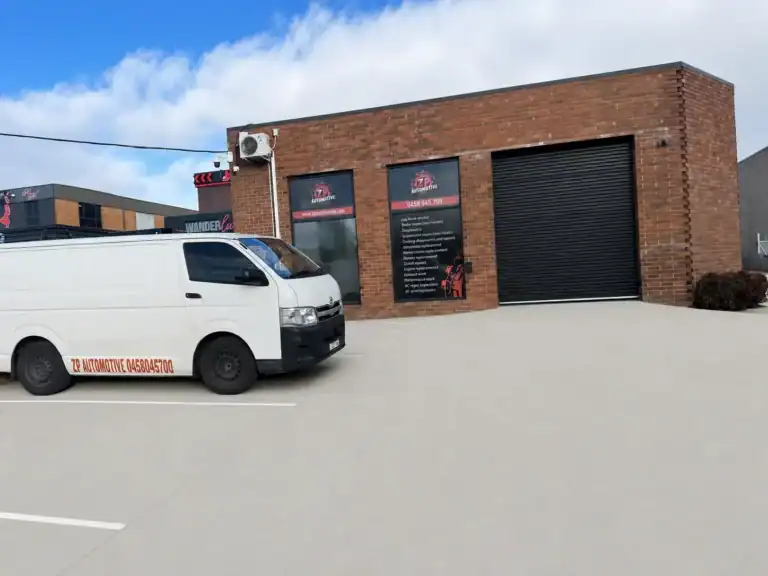
We’re an owner-operated workshop with over a decade of experience working on European vehicles. We understand the specific requirements of these systems, and we don’t take shortcuts with brakes. We source quality fluid brands like Penrite that meet OEM specs, and we do the job properly rather than taking the fastest route.
You deal directly with the mechanic doing the work, not a service advisor reading from a script. That means no upsell pressure and transparent conversation about what your brakes actually need. If your fluid is still in good condition and your brakes are performing well, we’ll tell you that. If a complete change is necessary, we’ll explain why and what you can expect afterward.
If you’re servicing your European vehicle on the manufacturer’s logbook schedule, a brake fluid change won’t affect your warranty. We’re equipped to handle logbook servicing that keeps your warranty intact, and we document the work properly so there’s no question about service history.
Book Your European Vehicle Brake Fluid Inspection in Mitchell Today
Brakes are too important to guess about. If it’s been two years or more since your last brake fluid service, or if you’ve noticed any of the warning signs above, get in touch to book your free inspection. We’ll check your system and let you know exactly what’s needed. Call & Book Now or Claim Your Free Inspection online to get started.