Owner-Operated Workshop
Quality Parts & Oils
5.0★ Rating
Transparent Pricing

5.0 (Verified Reviews)

Affordable Holden Brake Fluid Change In Mitchell

Brake fluid degrades over time and affects how your Holden stops. We flush and replace it to factory spec, inspect your braking system, and keep your warranty intact.

Honest Advice

Quality Parts

5.0★ Rating

Holden Brake Specialists

Claim Your Free Check

Fill in the form and we'll get back to you promptly — no obligation.

Booking Form
  • Vehicle Details
  • Confirm Vehicle
  • Services
  • Contact Details
No Upsell Scripts
Quality Parts Used
Plain-English Advice

Why Book With Us

Claim Your Free Inspection
Drop Off Your Car
We Get to Work
Back on the Road

Brake fluid is the hydraulic lifeline of your braking system. When you press the brake pedal, it’s brake fluid under pressure that transfers that force to the brake calipers and wheel cylinders, bringing your car to a stop. Over time, brake fluid absorbs moisture from the air, which corrodes internal brake components and lowers the boiling point of the fluid itself. A Holden brake fluid change removes old, contaminated fluid and replaces it with fresh fluid that meets Holden’s OEM specifications. This is a safety-critical service that many Holden owners overlook until a warning light appears or brake feel changes. We perform Holden brake fluid changes at ZP Automotive in Mitchell, and we’ve seen firsthand how neglecting this service affects braking performance and component longevity.

When Does Your Holden Need Fresh Brake Fluid?

Unlike an oil change, brake fluid doesn’t fail on a fixed schedule you can see on a calendar. Instead, it degrades gradually and invisibly. Holden’s service schedules typically recommend a brake fluid flush every two years or 40,000 kilometres, whichever comes first, though some modern Holdens use condition-based servicing intervals. You should have your brake fluid inspected immediately if you notice any of these warning signs:

  • Soft or spongy brake pedal that sinks lower than usual before the brakes engage
  • Brake pedal feels less responsive or requires more pressure to stop the car
  • ABS warning light illuminated on the dashboard
  • Brake warning light staying on or flickering
  • Longer stopping distances than normal, even with brakes applied firmly
  • Brake fluid appears dark brown or black instead of clear amber
  • Visible fluid leaks around brake lines, hoses, or wheel cylinders

If you’re driving an older Holden or haven’t had a fluid change in over two years, moisture absorption has likely begun. Moisture in brake fluid lowers its boiling point, which means under heavy braking (such as driving down a long mountain road or repeated hard stops) the fluid can boil. When it boils, you lose hydraulic pressure and brake effectiveness, which is a serious safety risk.

What Happens During a Holden Brake Fluid Change at ZP Automotive

We start with a full system inspection. Our technicians examine all brake lines, hoses, calipers, wheel cylinders, and the master cylinder for signs of wear, corrosion, or leaks. We test the current fluid using a moisture content meter to determine whether it’s still within safe specifications for your Holden model. This diagnostic step prevents unnecessary service on vehicles where the fluid is still acceptable, and it catches early signs of component failure that you might not have noticed.

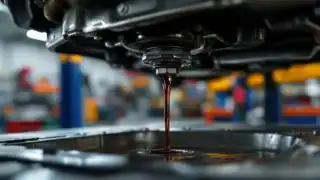
Once we confirm a Holden brake fluid change is needed, we use a professional brake bleeding kit to flush the entire system methodically. Starting from the brake module and working through each wheel circuit, we remove the old contaminated fluid and replace it with fresh fluid that meets Holden’s OEM specification. For most Holdens, this means using DOT 4 or DOT 4+ specification fluid, depending on your model year and engine type. We use quality brands like Penrite that stand up to Australian driving conditions, ensuring your brakes respond smoothly in high heat and long-distance driving.

After the flush is complete, we bleed every brake line and wheel cylinder to remove any air pockets that could make the pedal feel spongy. We then road test your Holden to confirm brakes feel firm, responsive, and consistent from a standstill through to higher speeds. Any component showing wear or damage during this inspection is flagged so you can decide whether to repair it now or monitor it.

Holden-Specific Brake Fluid Considerations

Holden vehicles come in many shapes and sizes, from light-duty utes to family sedans, and each has slightly different brake fluid requirements and bleeding procedures. Commodore models with ABS systems, for example, require a specific flushing sequence to fully purge air from the modulator unit, which is different from earlier non-ABS Holden models. Cruze models often use electronic brake distribution that demands careful pressure balancing during the fluid change. We know these differences because we work on Holdens every week, and we adjust our process to match your specific model’s needs rather than applying a one-size-fits-all approach.

Holden’s logbook servicing schedules are precise about when a brake fluid change is due, and we follow them exactly. If you’re keeping your manufacturer warranty intact through logbook servicing, we’ll document every brake fluid change in your service record so there’s no gap in your documented maintenance history.

Cost and Turnaround Factors

A routine Holden brake fluid change typically takes between one and two hours, depending on whether your model has an ABS system that requires additional bleeding steps. Holdens equipped with electronic brake distribution and ABS modules need extra attention to ensure air is completely purged from the system, which takes a bit longer but is essential for safety.

Cost varies based on the condition of your system and the parts involved. If we discover corroded brake lines, leaking wheel cylinders, or a failing master cylinder during the inspection, those components may need replacement alongside the fluid change. We’ll show you exactly what we find and explain what needs attention now versus what can wait. We never push parts you don’t need, and we use quality parts and fluids rather than the cheapest no-name stock. Pricing is transparent and fair, without dealership labour rates.

Why Trust ZP Automotive for Your Holden’s Brakes

Brakes are one of our core strengths at ZP Automotive. We’ve spent over 10 years diagnosing and servicing brake systems on everything from Holden Commodores and Cruzes to older Vectra and Astra models. Owner-operated and family-run, we deal directly with you, not through a service advisor or upsell script. You get honest, plain-English advice about what’s actually wrong with your car, what it’ll cost, and what can wait.

For Holden owners performing logbook servicing with us, brake fluid changes are logged and documented, keeping your manufacturer warranty intact. We use Penrite and other quality fluids that meet Holden’s specifications, and every service is completed to the highest standard so you can drive with confidence knowing your braking system is in proper working order. Our 5.0 verified reviews reflect our commitment to getting brakes right, because we know that braking safety isn’t something to compromise on.

Next Steps: Book Your Mitchell Brake Inspection

If your Holden’s brake fluid hasn’t been changed in over two years, or if you’ve noticed any of the warning signs above, it’s time to get your system checked. Call and book now to discuss your brake concerns and get the service scheduled, or claim your free inspection online and we’ll assess your brake fluid and system thoroughly before you commit to any work. We’re based in Mitchell and ready to help.
Other Services

Whatever your needs we have you covered, see some similar services below or click "See All Services" to explore our full service offering.

Honest Mechanics, Fair Prices in Mitchell

Owner-operated and family-run, we give you straight answers, quality parts, and fair pricing without the dealership markup or the upsell scripts.

You Deal With the Mechanic

Talk directly to the owner — no service advisors, no middlemen, no upsell pressure.

Quality Parts, Honest Pricing

Bring your vehicle in and we’ll assess what’s needed before any work begins.

Holden Brake System Warranty

Complete warranty on all brake work keeps your Holden safe and your peace of mind intact.

How Holden Brake Fluid Change Works

Straightforward brake fluid service for your Holden, from booking to collection in Mitchell.

Step 1

Claim Your Free Inspection

Claim your free inspection to assess your brake fluid condition and determine service needs.

Step 2

Brake Fluid Condition Test

We test your Holden's fluid condition, pressure, and brake response using manufacturer diagnostics.

Step 3

Fluid Flush and Replace

We drain old fluid and refill with quality brake fluid meeting Holden OEM specifications.

Step 4

Safety Test and Handover

Final brake function test confirms safe operation, then your vehicle is ready for collection.

What Our Customers Say

5.0 (Verified Reviews)

Quality Parts From Trusted Suppliers

We use quality oils and parts from reputable suppliers — including Penrite and Rico — because what goes into your car matters as much as the work itself.

Claim Your Free Check

Fill in the form and we'll get back to you promptly — no obligation.

Booking Form
  • Vehicle Details
  • Confirm Vehicle
  • Services
  • Contact Details
No Upsell Scripts
Quality Parts Used
Plain-English Advice

Why Book With Us

Claim Your Free Inspection
Drop Off Your Car
We Get to Work
Back on the Road

Got Questions? We Have Answers

Browse the common questions below. If yours isn't listed, give us a call and we'll give you a straight answer.

A brake fluid change typically takes 1-2 hours, depending on your Holden’s design and whether we find any issues during inspection. We drain the old fluid from the master cylinder and brake lines, then refill with fresh fluid and bleed the system to remove air. The job is straightforward on most Holdens, and you’ll usually have your car back the same day.

Brake fluid absorbs moisture over time, which reduces its effectiveness and can cause a soft or spongy brake pedal. You might notice your brakes feel less responsive, or the pedal travels further before stopping. Dark or discoloured fluid when you peek at the reservoir is another sign. Don’t ignore these – brake safety is non-negotiable, and fresh fluid restores proper braking performance.

No. Australian consumer law under ACCC guidance generally allows owners to have their vehicles serviced by qualified independent mechanics without affecting manufacturer warranties, provided the work is done to the required standard. We follow Holden service schedules and use quality parts and fluids. For your specific warranty details, check your handbook or contact your dealer directly – this is general information only, not legal advice.

Most Holden manufacturers recommend brake fluid changes every 2 years or 40,000 kilometres, whichever comes first. Some newer models may vary, so check your service schedule. Brake fluid degrades over time regardless of mileage, absorbing moisture from the air. Regular changes keep your braking system safe and responsive in Mitchell’s varied driving conditions.

We inspect your brake system first, then disconnect the brake lines and drain the old fluid completely. We flush the system to remove contaminants, refill with fresh brake fluid rated to Holden specifications, and bleed each wheel to eliminate air pockets. The whole system is checked for leaks or damage. You’ll notice firmer, more responsive brakes when you leave.

We use quality brake fluids that meet or exceed Holden specifications – Penrite and other trusted brands that perform to the same standard as genuine fluid. The type of fluid your Holden needs (DOT 3, DOT 4, or DOT 5.1) depends on your model, and we’ll use the correct spec for your vehicle. Quality matters more than the label; we won’t use cheap no-name stock.

Brake fluid and brake oil are not the same thing. Brake fluid is a hydraulic fluid that transfers your braking force from the pedal to the wheel cylinders. Engine oil lubricates moving parts inside your engine. They serve completely different purposes and should never be mixed. A Holden brake fluid change refers only to the hydraulic fluid in your brake system.

Brake fluid degrades invisibly. Even if your brakes feel fine, old fluid has absorbed moisture and lost its ability to handle heat during hard braking. Delaying the service puts safety at risk and can lead to more expensive repairs if brake components corrode. Stick to the manufacturer’s schedule – it’s written for your protection, not to sell services.

Brake fluid is the hydraulic medium that transmits the force from your foot on the pedal to the brake cylinders at each wheel. When you press the pedal, the fluid transfers that pressure instantly, causing the brake pads to clamp against the rotors and slow your vehicle. Without clean, fresh fluid, this pressure transmission fails and your brakes become unsafe or unresponsive.

Yes. Holdens use DOT 3, DOT 4, or DOT 5.1 brake fluid depending on the model and year. DOT 4 and DOT 5.1 have higher boiling points and are better for high-performance or newer vehicles. Using the wrong type can damage your brake system. Your owner’s handbook specifies which your Holden needs, and we’ll install the correct type during your brake fluid change.

The cost depends on your Holden model and the condition of your brake system when we inspect it. Fluid cost is modest, but labour for flushing, bleeding, and system checking varies by vehicle complexity. We’ll quote you honestly before starting work. Contact ZP Automotive in Mitchell to discuss your specific vehicle and get a fair estimate tailored to your Holden.

Ignoring brake fluid maintenance puts you and your passengers at serious risk. Contaminated or degraded fluid can cause brake fade, longer stopping distances, or complete brake failure in extreme cases. Moisture-filled fluid also corrodes internal brake components, leading to costly repairs. Brake servicing is one of the cheapest forms of vehicle safety maintenance and should never be skipped or delayed.

Continue to site