Brake fluid in your Volkswagen is under constant pressure. It transfers force from your brake pedal to the brake callipres and wheels, giving you the stopping power you depend on every time you drive. A Volkswagen brake fluid change is a routine maintenance service that replaces old, degraded fluid with fresh fluid that meets Volkswagen’s OEM specifications. Over time, brake fluid absorbs moisture from the air and degrades chemically, which reduces its boiling point and compromises braking performance. If you drive in Mitchell or north Canberra and haven’t changed your brake fluid recently, understanding why this service matters and what it involves will help you keep your Volkswagen safe and reliable.
Signs Your Volkswagen Brake Fluid Needs Changing
Most Volkswagen owners follow the manufacturer’s service interval, which typically calls for a brake fluid change every two years or 40,000 kilometres, whichever comes first. However, certain warning signs suggest you should have it inspected sooner. A soft, spongy brake pedal is a classic indicator that moisture has entered the fluid and reduced its effectiveness. If your brakes feel less responsive than usual or require extra pressure to stop, that’s a signal to have the fluid tested.
Another common symptom is a brake warning light on your dashboard. Volkswagens are equipped with brake fluid level sensors that trigger this light when fluid drops due to a leak or when the system detects a fault. Discoloured brake fluid is also a red flag. Fresh brake fluid is clear or light amber; if yours looks brown or murky, it has absorbed too much moisture and needs replacing. Don’t ignore these signs. Degraded brake fluid can fail when you need it most, especially under heavy braking or on long downhill stretches.
What Happens During a Volkswagen Brake Fluid Change
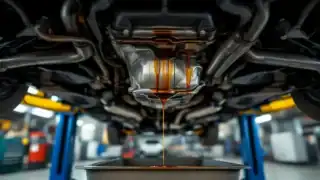
We start by connecting a pressure bleeder to your Volkswagen’s brake fluid reservoir. This tool allows us to introduce fresh fluid while forcing out the old, contaminated fluid from all four brake lines simultaneously. Unlike manual bleeding, which can introduce air into the system, a pressure bleeder ensures complete fluid exchange and removes trapped air bubbles that compromise brake feel.
Throughout the process, we inspect the condition of each brake line, callipre, and wheel cylinder for leaks or corrosion. Volkswagen brake systems are precision-engineered, and even small leaks can lead to loss of braking force. We also test the fluid’s boiling point using a moisture metre to confirm that old fluid has truly degraded and needs replacing.
We use only Volkswagen OEM-specification brake fluid, typically DOT 4, which meets the exact pressure and thermal requirements your Volkswagen’s braking system demands. We never compromise with budget-brand fluids. The fluid we use has been selected to work safely with your Volkswagen’s ABS and electronic braking components, ensuring consistent performance across all driving conditions.
Cost and Time Factors for Your Volkswagen
Several variables affect how long a brake fluid change takes and what you can expect to pay. The first is vehicle accessibility. Older Volkswagen models may require more time to bleed all circuits fully. The second is whether we discover any leaks or damage during inspection. If a brake line shows signs of corrosion or a callipre seal is weeping, we’ll flag it for you immediately and discuss repair options before proceeding further.
Parts availability rarely delays a brake fluid change since we stock quality fluid and keep bleeding kits on hand. However, if we recommend additional work such as callipre seal replacement or brake line repair, that will extend the job and adjust the cost. We’ll always explain what’s needed, what it costs, and what can wait. We don’t apply dealership labour rates or push unnecessary upgrades. You get honest advice and transparent pricing.
Why ZP Automotive Is Your Mitchell Brake Specialist
We’re an independent, owner-operated workshop. Brendan has over 10 years’ hands-on experience in automotive mechanics, including Volkswagen brake diagnostics and service. You deal directly with the mechanic doing the work, not a service advisor reading from a script. We explain what’s wrong, what it’ll cost, and what can wait. That’s how we work.
We use quality fluids and parts. We specify Penrite and Rico products because they’re reliable, not because they’re the cheapest option on the shelf. For your Volkswagen brake fluid change, we use only OEM-spec fluid that your vehicle’s braking and ABS systems are calibrated to use. We also perform logbook servicing to strict Volkswagen schedules, which means your manufacturer warranty stays intact through every service we carry out in Mitchell.
We’re transparent about pricing. No dealership labour rates, no hidden extras, no pressure to upsell. We’re here to keep your Volkswagen safe and dependable without treating your car like a profit centre.
Book Your Volkswagen Brake Fluid Change in Mitchell
If you’ve noticed a soft brake pedal, your brake fluid looks dark, or your Volkswagen is due for its scheduled fluid change, Call & Book Now to book a pressure brake bleed or Claim Your Free Inspection. We’ll have you back on the road with fresh, effective brake fluid and the confidence that your braking system is working as Volkswagen engineered it to.