Owner-Operated Workshop
Quality Parts & Oils
5★ Reviews
Transparent Pricing

Verified 5★ Reviews

Reliable Japanese Vehicles Brake Fluid Change In Mitchell

Your Japanese vehicle's braking system depends on clean, quality brake fluid. We'll flush and replace it to factory spec, inspect your brakes thoroughly, and make sure everything's working as it should.

Honest Advice

Quality Parts

5★ Reviews

Japanese Brake Specialists

Claim Your Free Check

Fill in the form and we'll get back to you promptly — no obligation.

Booking Form
  • Vehicle Details
  • Confirm Vehicle
  • Services
  • Contact Details
No Upsell Scripts
Quality Parts Used
Plain-English Advice

Why Book With Us

Claim Your Free Inspection
Drop Off Your Car
We Get to Work
Back on the Road

Brake fluid is the lifeblood of your braking system. Without clean, moisture-free fluid, your Japanese vehicle’s ability to stop reliably is compromised. A Japanese vehicles brake fluid change is one of the most overlooked maintenance tasks, yet it’s critical to both safety and the longevity of your brake components. Unlike engine oil, brake fluid absorbs moisture from the air over time. This degradation happens even if you never touch the brake pedal. Water mixed with brake fluid lowers its boiling point, which means under hard braking or high temperatures your brakes can fade or fail. At ZP Automotive in Mitchell, we see too many owners running on fluid that’s years past its service interval.

Why Brake Fluid Degrades and When You Need a Change

Most drivers have no idea their brake fluid is deteriorating. You won’t notice symptoms until the problem is serious. Brake fluid absorbs moisture from humidity in the air, especially in sealed brake systems where the fluid reservoir breathes. Japanese manufacturers, from Toyota and Honda to Nissan, Mazda, and Subaru, specify brake fluid changes every 1 to 3 years depending on the model and driving conditions. Some vehicles have condition-based service schedules that depend on moisture content testing, but many Japanese owners skip this service entirely because it’s not as visible as tyre wear or engine oil level.

  • Soft or spongy brake pedal that goes down further than normal
  • Brake warning light on the dashboard
  • Reduced braking power, especially on longer downhill drives
  • Brake fluid that looks dark or discoloured (fresh fluid is clear to pale yellow)
  • Vehicle has not had a brake fluid service in over 2 years

Age alone is reason enough. If your logbook shows no fluid change in the last 2 to 3 years, your brakes are running on degraded fluid. This is particularly important if your Japanese vehicle is a daily commuter or regularly carries family – the consequences of brake fade are serious.

What Happens During a Japanese Vehicles Brake Fluid Change

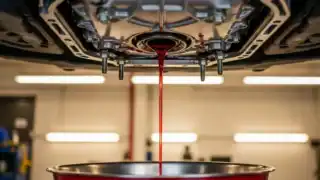
A proper brake fluid change isn’t just pouring new fluid into the reservoir. It requires flushing the entire system, from the master cylinder through the brake lines to each wheel. We use a pressure bleeding system that removes old, contaminated fluid and air from every corner of your braking circuit.

For Japanese vehicles, we follow the manufacturer’s specifications for fluid type and bleeding sequence. Different models require different DOT grades (DOT 3, DOT 4, or synthetic). We’re careful to use the exact specification your vehicle needs, which is documented in your service schedule. We also inspect the condition of your brake lines, wheel cylinders, and calipers while we’re in the system. If corrosion or damage is present, we’ll flag it so you know what’s coming.

The process takes time to do properly. We bleed each wheel in a specific order, usually starting at the wheel furthest from the master cylinder and working forward. This ensures all air is removed and the system is full of fresh fluid with no pockets of old or contaminated material left behind. Once complete, your brake pedal should feel firm and responsive again.

Cost and Timeline Factors for Brake Fluid Service

The cost of a Japanese vehicles brake fluid change depends on a few variables. The main factor is whether your system is straightforward or if complications are found during the inspection. Some models have more complex brake layouts than others, and older vehicles sometimes have corroded lines or stuck bleed valves that take longer to work through.

Fluid type also affects cost. A standard DOT 4 fluid will be less expensive than a synthetic or high-performance alternative, but we’ll always use what your vehicle’s manufacturer specifies. Parts availability is rarely an issue with brake fluid, so turnaround is typically straightforward. We’ll give you an honest time estimate once we’ve assessed your system.

Pricing is transparent and fair – we don’t charge dealership rates or use upsell scripts. What we quote is what you’ll pay, with no surprises. If we find brake line corrosion or another issue during the service, we’ll explain it plainly and let you decide what to do next.

Why Japanese Vehicle Owners in Mitchell Choose ZP Automotive

You’re dealing directly with the mechanic, not a service advisor following a sales script. Brendan has over 10 years in the trade and understands Japanese vehicle systems inside out. Whether you drive a Toyota, Honda, Nissan, Mazda, Subaru, or Mitsubishi, he knows the logbook requirements and manufacturer specifications for your model.

We use quality brake fluid – Penrite and other established brands – not the cheapest generic stock. Your brakes are safety-critical, and we won’t compromise on fluid quality. We also keep your manufacturer warranty intact if your vehicle is under warranty through logbook servicing. A brake fluid change performed to spec does not affect warranty coverage.

Transparency matters. We’ll show you your old fluid after flushing, explain what we found during inspection, and discuss any additional work only if it’s genuinely needed. You’ll understand why the service is important and what it costs before we start. Our 5.0 verified reviews reflect the straightforward approach we take with every customer.

Book Your Brake Fluid Change in Mitchell Today

If your Japanese vehicle is due for a brake fluid service or you’ve noticed a soft pedal or brake warning light, don’t delay. Degraded brake fluid puts you and your family at risk. Call & Book Now or Claim Your Free Inspection to get your brakes assessed. We’ll explain what’s needed and get your confidence back.
Other Services

Whatever your needs we have you covered, see some similar services below or click "See All Services" to explore our full service offering.

Honest Mechanics, Fair Prices in Mitchell

Owner-operated and family-run, we give you straight answers, quality parts, and fair pricing without the dealership markup or the upsell scripts.

You Deal With the Mechanic

Talk directly to the owner — no service advisors, no middlemen, no upsell pressure.

Quality Parts, Honest Pricing

Bring your vehicle in and we’ll assess what’s needed before any work begins.

Right Fluid for Your Japanese Car

We source the correct brake fluid spec for your make and model, no guesswork.

How Japanese Brake Fluid Change Works

Brake fluid renewal keeps your Japanese vehicle's stopping power reliable and safe.

Step 1

Claim Your Free Inspection

Claim your free inspection to assess your brake fluid condition and receive expert advice.

Step 2

Fluid Condition Analysis

We test brake fluid moisture content using Japanese-compatible equipment to confirm renewal timing.

Step 3

Fluid System Flush

We flush the entire brake system with quality fluid, remove old contaminated fluid, and bleed lines.

Step 4

Safety Verification & Collection

We test brake responsiveness and hand your vehicle back ready to stop safely on the road.

What Our Customers Say

Verified 5★ Reviews

Quality Parts From Trusted Suppliers

We use quality oils and parts from reputable suppliers — including Penrite and Rico — because what goes into your car matters as much as the work itself.

Claim Your Free Check

Fill in the form and we'll get back to you promptly — no obligation.

Booking Form
  • Vehicle Details
  • Confirm Vehicle
  • Services
  • Contact Details
No Upsell Scripts
Quality Parts Used
Plain-English Advice

Why Book With Us

Claim Your Free Inspection
Drop Off Your Car
We Get to Work
Back on the Road

Got Questions? We Have Answers

Browse the common questions below. If yours isn't listed, give us a call and we'll give you a straight answer.

Brake fluid absorbs moisture from the air over time, which lowers its boiling point and reduces braking performance. On Japanese vehicles especially, the hydraulic systems are sensitive to water contamination. A regular fluid change removes old, degraded fluid and replaces it with fresh stock that meets your vehicle’s specifications. We typically recommend this service every 2 years or as your manufacturer’s logbook specifies.

A brake fluid change typically takes 1 to 2 hours, depending on your vehicle’s brake system layout and whether we need to bleed all four wheels thoroughly. We’ll give you a realistic timeframe when you book so you know what to expect. If you’re in Mitchell, you’re welcome to wait in our workshop or grab a coffee while we get the job done.

Soft or spongy brake pedal, reduced braking response, or a brake warning light on your dashboard can indicate contaminated or degraded fluid. However, brake fluid doesn’t always show obvious symptoms before it fails. That’s why regular servicing by your logbook schedule is the best prevention. If you notice any change in how your brakes feel, get it inspected straight away rather than waiting.

Under Australian Consumer Law and ACCC guidance, having your vehicle serviced by a qualified independent mechanic generally does not void your manufacturer’s warranty, provided the servicing is done to the manufacturer’s specifications using appropriate parts and fluids. We service to these standards and keep detailed records of all work. However, warranty terms vary by manufacturer, so check your specific paperwork or contact your dealer if you have concerns about your particular vehicle.

We remove the old fluid from your brake master cylinder and bleed the system at each wheel, flushing out contaminated fluid and replacing it with fresh, manufacturer-spec brake fluid. The process involves opening bleeder valves and cycling fluid through until it runs clear and free of air bubbles. We test brake pedal firmness throughout and top up the master cylinder as needed. You’ll have a solid, responsive brake pedal when we’re done.

Most Japanese vehicles use DOT 3 or DOT 4 brake fluid, similar to many Western vehicles, but specifications can vary by model and year. Some Japanese brands have specific fluid recommendations for optimal performance in their hydraulic systems. We check your owner’s manual or logbook to confirm the exact requirement for your vehicle and use the correct grade. Using the wrong fluid type can affect braking feel and safety, so it’s worth getting it right.

Yes, we stamp your logbook after completing brake fluid service according to your vehicle’s maintenance schedule. This record protects your warranty claim history and proves the service was done on time. Many owners choose independent workshops for logbook servicing because they get quality work, honest advice, and fair pricing without dealership labour rates. Bring your logbook with you when you book, and we’ll make sure it’s updated.

Cost depends on your specific vehicle model, system complexity, and the quality of fluid used. We use quality Penrite and Rico fluids, not budget no-name stock, which affects the price fairly. Rather than guessing a figure, contact us to discuss your vehicle, and we’ll give you a transparent estimate with no hidden charges. We explain what you’re paying for and what can wait, so you’re never surprised.

Continue to site