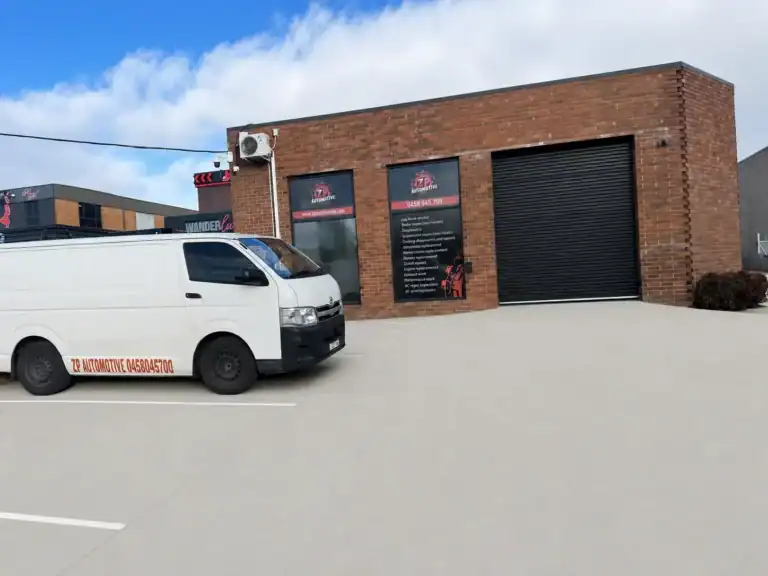
Toyota brake replacement is one of the most safety-critical services your vehicle will need. Your brakes are what stand between you and a collision, so understanding when they need replacement and what the work involves helps you make an informed decision and keep yourself and your passengers safe. We handle Toyota brake replacement regularly at our Mitchell workshop, and we take the time to explain exactly what’s happening and why.
When Do You Need Toyota Brake Pad and Rotor Replacement?
Several warning signs tell you it’s time to have your brakes inspected. The most obvious is a warning light on your dashboard, but you don’t always need to wait for that. Listen for squealing or grinding sounds when you brake, especially in the morning or after rain. Feel for a soft or spongy brake pedal that requires extra pressure to stop the vehicle, or notice if braking takes longer than usual. Some Toyotas will show uneven wear patterns where one wheel’s pads wear much faster than the others, which often points to a sticking caliper or alignment issue.
- High-pitched squealing when braking (often a wear indicator)
- Grinding or scraping metal sounds during braking
- Brake pedal feels soft, spongy, or sits lower than normal
- Longer stopping distances or reduced braking response
- Vibration or pulsing in the pedal or steering wheel when braking
- Visible brake dust buildup on your wheel rims (darker than usual)
Toyota vehicles tend to eat through brake pads more predictably than some other brands, especially if you drive in stop-start city traffic. Regular inspection of your Toyota brake system catches wear early and prevents the more costly job of replacing rotors alongside pads.
What Happens During a Toyota Brake Replacement
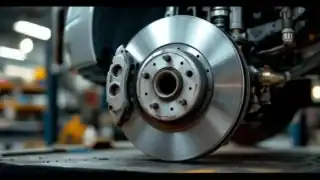
We start with a full brake system inspection before quoting any work. This is not guesswork. We remove each wheel, measure brake pad thickness with a calliper, and visually assess rotor condition for scoring, cracks, or uneven wear. We check brake fluid colour and condition, inspect brake hoses for splits or swelling, and test how your specific Toyota’s braking system responds.
If pads need replacement, we remove them, clean the caliper hardware, and fit quality replacement pads matched to your Toyota’s original specifications. If rotors are scored or beyond safe tolerances, we machine or replace them depending on their condition and your preferences. We bleed the brake system if we’ve disturbed any hydraulic lines, and we road-test the vehicle to confirm the brakes feel solid and responsive before you drive it.
Toyota’s brake systems vary by model and year. Older Corollas and Camrys often run simpler drum-and-disc setups, while newer Highlanders and RAV4s come with larger ventilated discs designed for heavier vehicles. When you bring your Toyota to Mitchell for brake pad replacement or rotor work, we assess your vehicle’s actual design rather than applying a generic approach. This specificity matters because a Toyota Corolla’s brake replacement process differs significantly from a larger vehicle’s requirements in parts sizing, labour steps, and testing protocols.
What Affects Cost and Time for Your Brake Repair
Several factors shape the final price and how long the job takes. The most obvious is whether you need just pads or pads and rotors. Pad-only work is straightforward; adding rotors adds labour and parts cost. Parts availability matters too. Genuine Toyota parts and quality aftermarket equivalents are usually in stock, but occasionally a specific rotor for a less common model takes a day or two to source.
How much brake dust and corrosion we find during the strip-down also affects time. If your caliper slides are seized or corroded, we’ll free them and apply fresh grease, which adds an hour to the job but prevents uneven pad wear and noisy brakes down the track. Labour cost depends on how many wheels need work and whether we’re replacing rotors, but we price transparently upfront so you know the total before we start.
We don’t use cut-rate parts to hit a lower price. We source quality friction material and rotors that match Toyota’s engineering, because cheap pads and rotors lead to noise, poor stopping power, and comeback jobs that cost more in the long run. The choice between OEM Toyota parts and quality aftermarket equivalents also affects cost. We’ll outline both options so you can decide what suits your vehicle’s needs and budget.
Why Choose ZP Automotive for Your Toyota Brake Work in Mitchell
You get the mechanic doing the work, not a service adviser reading from a script. Brendan has over 10 years in the trade and understands Toyota brake systems from the inside. We explain what we’ve found, what needs replacing now, and what can safely wait. No pressure, no upsell, just honest advice you can trust.
We use quality parts and fluids from suppliers like Penrite and Rico, not the cheapest no-name stock sitting in a warehouse. Your Toyota’s brakes are too important for that gamble. We keep your logbook servicing compliance intact, so if your vehicle is still under warranty, Toyota brake replacement by us won’t affect it. We price fairly without dealership labour rates, and you’ll always know what you’re paying and why before the work begins.
Safety-critical work like brakes demands skill and honesty. That’s what separates us from the larger chains and dealership service departments. We’re owner-operated and family-run, which means we care about the quality of every job and the relationship we build with our customers in the Mitchell area.
Book Your Toyota Brake Inspection Today
If you’ve noticed any of the warning signs above, or it’s been a while since your brakes were last inspected, don’t leave it to chance. Call & Book Now or claim your free inspection to have your Toyota’s brakes assessed by someone who genuinely cares about getting it right. We’ll give you a clear picture of what’s needed and what it’ll cost, with no surprises.