Toyota brake systems are built to last, but they do wear down. If your Toyota needs brake work in Mitchell, you need someone who understands how Toyota’s braking components are engineered and how to diagnose problems accurately. A Toyota brake specialist knows the specific wear patterns, part tolerances, and service intervals that come with Toyota vehicles. This matters because what might be a straightforward fix on one brand can have different causes or require different parts on a Toyota.
Common Toyota Brake Warning Signs
Your Toyota will tell you when brakes need attention. Catching these signs early means safer driving and often cheaper repairs. Watch for:
- Soft or spongy brake pedal that feels lower than usual
- Brake warning light on the dashboard, or ABS light flashing
- Grinding or squealing sounds when braking
- Brake pedal vibration or pulsing, especially during hard braking
- Longer stopping distances than normal
- Brake fluid leaking under the car (dark stains on concrete)
- Uneven pad wear or rotor scoring visible through the wheel
Toyota’s braking systems are reliable, but worn pads, damaged rotors, and fluid issues develop just like any vehicle. The earlier you address these symptoms, the less damage spreads to other brake components and the simpler the repair.
How a Toyota Brake Specialist Diagnoses the Problem
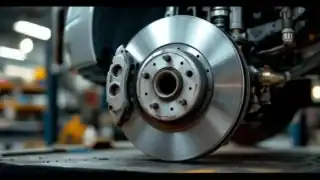
A proper brake diagnostic isn’t guesswork. We start with a visual inspection of pads and rotors, checking pad thickness against Toyota’s wear limits and examining rotor surface condition under lights. We measure rotor runout (how much the rotor wobbles when spinning) because a warped rotor in a Toyota can cause the pulsing feel you’ll notice through the pedal.
Next, we test the brake fluid itself. Toyota systems use DOT 3 or DOT 4 fluid depending on the model, and moisture in the fluid causes corrosion and reduces braking power. We check fluid colour and condition—dark or cloudy fluid means it’s time for a flush. We also test brake line pressure using a gauge to confirm the master cylinder and proportioning valve are working correctly.
For vehicles with ABS (anti-lock braking system), we plug in Toyota-specific diagnostic equipment to read error codes and test wheel speed sensors. Toyota’s ABS systems are common in modern models, and a fault code will pinpoint whether the issue is a failed sensor, pump problem, or wiring fault. Without proper diagnostics, you might replace parts that don’t need replacing.
Brake hose inspection matters too. We flex each hose by hand and look for cracks or soft spots, because a failing brake hose can collapse internally and restrict fluid flow, making brakes feel spongy even when pads and rotors are fine.
Toyota Brake Service and Repair Options
The work depends on what the inspection finds. Pad and rotor replacement is the most common service. We use quality aftermarket pads that match Toyota’s OEM specifications and performance—not the cheapest stock that might wear twice as fast. If rotors are serviceable, we machine them to restore a smooth surface. If they’re too thin or scored beyond repair, we fit new rotors that meet Toyota’s friction and thermal specifications.
Brake fluid flushes are straightforward but essential on older Toyota vehicles. We flush the entire system, removing old fluid and moisture, then refill with fresh DOT 3 or DOT 4 to Toyota’s standard. This restores braking feel and prevents corrosion inside the system.
Master cylinder or caliper replacement happens when parts have failed internally. We always bench-test these components before fitting, and we use genuine Toyota parts or quality equivalents that match OEM specs. Brake hoses are replaced when damaged, using hose kits that fit Toyota’s brake layout exactly.
Logbook servicing for newer Toyota vehicles includes scheduled brake inspections. Your Toyota’s logbook specifies service intervals, and having work done by a Toyota brake mechanic keeps that logbook current and your manufacturer warranty intact. You won’t void any coverage by having brake work done at an independent workshop if the work meets Toyota’s standards.
What Affects the Time and Cost of Toyota Brake Work
Several factors influence how long the job takes and what parts cost. Whether you need just pads or pads, rotors, and fluid work makes a big difference. The model of Toyota matters too—some older Toyota sedans have simpler braking layouts, while newer SUVs and utes have more complex ABS systems and larger disc setups.
Parts availability is rarely an issue with Toyota vehicles because they’re common on Australian roads and parts stock is reliable. Labour time depends on how accessible the components are and whether any suspension work needs doing to reach everything. A straightforward pad and rotor job on a Toyota sedan might take a few hours; a truck with larger discs or a vehicle with caliper damage could take longer.
We’re transparent about these variables upfront. You’ll understand what needs doing, what it’ll cost, and what can wait before we start work. No dealership labour rates, no pressure to replace parts that are still serviceable.
Why Choose ZP Automotive for Toyota Brake Work in Mitchell
Working with someone who knows Toyota vehicles inside out means fewer surprises. We see Toyota brake patterns regularly—which models have common issues, how their systems age, where problems usually start. That experience translates to faster diagnostics, better advice on parts, and work that lasts.
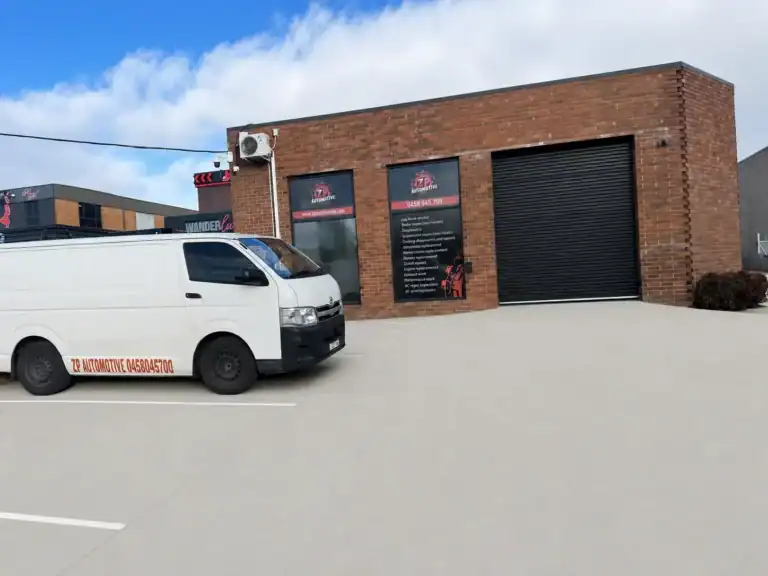
You deal directly with the mechanic doing the work, not a service adviser reading from a script. We explain what’s wrong in plain language, show you the worn parts if needed, and tell you honestly what needs fixing now and what has time. That’s how ZP Automotive has built trust with families and tradespeople across Mitchell and the surrounding area.
We use quality parts—Penrite brake fluid and quality pads and rotors that meet Toyota’s specifications. Not the cheapest no-name stock, but parts that’ll give you reliable braking for years. Fair pricing, no dealership markup, genuine warranty on parts and labour.
With over 10 years in the trade and owner-operated service, we focus on getting your brakes sorted correctly the first time. If your Toyota’s rego inspection is coming up, brake condition matters—we make sure everything passes safety checks and stops reliably.
Ready to Get Your Toyota Brakes Checked?
If you’re hearing noises, feeling a soft pedal, or just want to know your brakes are safe, Call & Book Now or Claim Your Free Inspection. We’ll diagnose the issue, explain what you need, and give you a fair price upfront at ZP Automotive in Mitchell.