Brake failure is not something you want to discover on the road. If you drive a Chinese vehicle and you’ve noticed your brakes feeling soft, grabbing unevenly, or making noise, a specialist Chinese vehicles brake inspection is what you need. Chinese-manufactured vehicles including MG, Chery, BYD, and JAC models have grown significantly in the Australian market, and their brake systems demand maintenance tailored to how they’re engineered. At our Mitchell workshop, we’ve developed expertise diagnosing and servicing these systems properly, understanding the specific hydraulic layouts, pad materials, and rotor specifications these vehicles use from the factory.
Warning Signs Your Chinese Vehicle Needs Brake Attention
Brake problems rarely announce themselves with a single obvious symptom. More often, they start quietly. Pay attention to these signs:
- Brake pedal feels soft or spongy, or requires more pressure than usual to stop
- Brakes grab or pull to one side during braking
- Squealing, grinding, or metallic noise when braking
- Warning light on the dashboard related to brakes or ABS (anti-lock braking system)
- Reduced brake responsiveness, especially in wet conditions
- Brake fluid visible leaking under the vehicle
- Vibration or pulsing through the pedal when braking
Any of these warrant a professional inspection. Chinese vehicles often use different brake pad compositions and rotor materials compared to European or Japanese models, so diagnosing the root cause correctly is critical. Guessing or replacing parts without understanding what caused the problem is how people end up spending money twice.
How We Diagnose and Service Chinese Vehicle Brakes in Mitchell
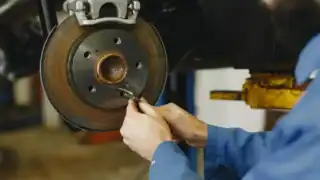
When you bring your Chinese vehicle in for brake work, we don’t start by replacing parts. We start by understanding what’s actually happening. Our Chinese vehicles brake specialist inspection includes a visual check of brake pad thickness, rotor surface condition, and caliper operation, followed by a road test to feel how the brakes respond under real conditions.
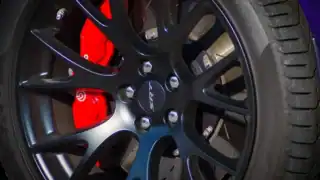
Chinese vehicles often feature compact brake configurations with specific OEM specifications for pad material hardness and rotor runout tolerances. We measure these precisely. We check the brake fluid condition because contaminated or degraded fluid is a common culprit in soft or unresponsive braking, especially in older Chinese models. We inspect hydraulic lines for leaks, test the ABS system if equipped, and examine both front and rear brake assemblies.
If pads are worn, we fit quality replacements that meet or exceed the original specification. We don’t assume Chinese vehicles need cheaper aftermarket pads or rotors; we source parts that work properly with your vehicle’s specific brake design. If the issue is deeper, like a seized caliper, failing wheel cylinder, or air in the hydraulic line, we diagnose that and explain what needs to happen to fix it properly.
What Affects Cost and Time for Brake Work
The cost of brake service on a Chinese vehicle depends on what’s actually wrong. Brake pad replacement alone is typically straightforward and relatively affordable. Full brake system repairs involving calipers, fluid flushing, or rotor resurfacing take longer and cost more. Parts availability can vary too. Some Chinese brands have excellent local parts supply now; others require sourcing components, which may add lead time.
Labour time varies based on severity and design. A simple pad replacement takes a couple of hours. A caliper replacement or brake line repair may take half a day. We won’t know the exact cost or timeframe until we’ve inspected the vehicle properly, and we’ll explain what we find before we start any work. This is how you avoid surprise bills.
We use quality parts and fluids that match your vehicle’s requirements, not the cheapest generic stock. Penrite brake fluid and properly-specified pads make a real difference to how your brakes feel and last. That costs more than rock-bottom parts, but it’s the right choice for safety and reliability.
Why Trust a Specialist for Your Chinese Vehicle’s Brakes
Brakes are safety-critical. Your family and other road users depend on them working properly. At our Mitchell workshop, we’ve developed expertise with Chinese vehicles specifically because they’ve become common in the Canberra area, and their engineering is different enough to matter. We understand how MG, Chery, BYD, and JAC brake systems are designed, what parts fit, and how to diagnose problems accurately rather than throwing parts at the problem.
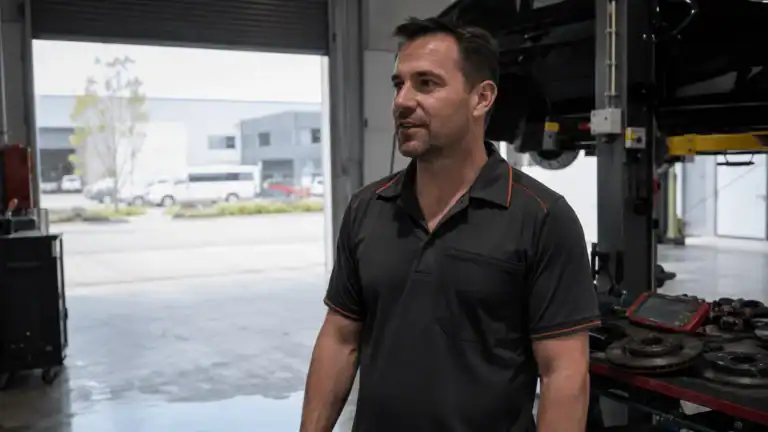
You deal directly with the mechanic doing the work. There’s no service adviser upselling unnecessary repairs, no scripts, no dealership labour rates. We explain what’s wrong, what it’ll cost, and what can actually wait. That plain-English approach to brake diagnosis and repair is what keeps customers coming back.
With 10 years in the trade and an owner-operated workshop, we take brake work seriously. A happy customer is one who drives away knowing their brakes are safe and understanding exactly why we did what we did. That’s the standard we hold ourselves to every time. We’re also available for logbook servicing, ACT rego inspections, wrong-fuel recovery, vehicle lockout and roadside assistance, air conditioning servicing, and engine diagnostics if you need support with other aspects of your vehicle’s maintenance.
Next Step: Book Your Free Brake Inspection
If your Chinese vehicle’s brakes don’t feel right, don’t ignore it. Call and book now to arrange a free inspection, or claim your free inspection online. We’ll check your brakes thoroughly, explain what we find, and give you honest advice on what needs doing now and what can wait. We’re based in Mitchell and service the Canberra area.