Volkswagen brake systems demand precision and specialised knowledge. When you own a VW, you’re dealing with engineering designed for European standards and performance expectations that sit above many other vehicles on the road. A Volkswagen Brake Specialist in Mitchell understands the specific hydraulic architecture, pad compound requirements, and rotor specifications that VW engineers specify for each model. Whether you’re driving a Golf, Passat, Tiguan, or Polo, brake safety is non-negotiable, and catching problems early prevents catastrophic failure on the road.
Warning Signs Your Volkswagen Brakes Need Attention
Volkswagen brakes tell you when something is wrong if you know what to listen and feel for. These warning signs mean you should have a mechanic inspect your system:
- Soft or spongy brake pedal that feels like it’s sinking toward the floor
- Grinding noise when braking, especially a metallic scraping sound
- Brake warning light illuminated on your dashboard
- Uneven braking, pulling to one side when you apply the pedal
- Longer stopping distances than normal, even with firm pedal pressure
- Pulsing or vibration through the pedal or steering wheel during braking
- High-pitched squealing, particularly in wet weather or when the pads are cold
Some of these symptoms signal wear that’s expected and manageable. Others indicate system faults that could leave you without braking power. A Volkswagen brake specialist can tell the difference and explain exactly what’s happening.
What a Volkswagen Brake Inspection Includes
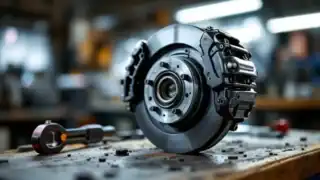
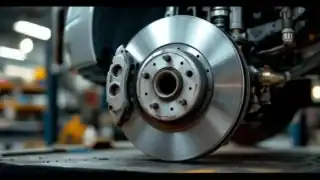
VW brakes are precision systems. A proper diagnostic goes deeper than a quick look at pad thickness. We start by examining your brake pads, rotors, and calipers for wear patterns, corrosion, or damage. Volkswagen’s disc brake design often shows uneven pad wear if the caliper slide pins are sticking, a problem we catch during inspection.
Next, we test your brake fluid. Volkswagen systems use DOT 4 brake fluid meeting strict European specifications. Over time, brake fluid absorbs moisture from the air, which lowers its boiling point and compromises stopping power in hard braking or heavy traffic. We measure fluid condition and recommend flush intervals based on what we find, not on guesswork.
We inspect the ABS module and associated sensors. Many Volkswagens include ABS as standard, and if sensors are fouled by road salt or brake dust buildup, the system may not function correctly. Our diagnostic process checks sensor signals and ABS function electronically, not just by feel.
Brake lines and hoses get visual inspection for leaks, cracks, or corrosion. We look at the master cylinder for fluid loss or internal seal failure. Finally, we test pedal response and stopping feel during a road test, so you know how your brakes actually perform under realistic conditions.
Parts, Fluids, and OEM Specifications for Your Volkswagen
Volkswagen brakes perform best with parts that meet or exceed OEM specifications. We use quality pads, rotors, and fluids that keep your brakes responsive and safe. When brake work is needed, we explain whether OEM Volkswagen parts or quality equivalent replacements make sense for your vehicle, budget, and driving style. We won’t fit the cheapest no-name pads and expect your brakes to feel the same.
Brake fluid is not an afterthought. We use Penrite brake fluid meeting European DOT 4 standards, ensuring your VW’s hydraulic system functions as designed. Proper fluid maintains pressure under heat and won’t boil during extended braking on hills or in traffic.
What Affects Cost and Turnaround Time
Brake work complexity varies depending on what our inspection uncovers. A simple pad and rotor replacement takes less time than a caliper rebuild or master cylinder replacement. Parts availability affects timing; genuine Volkswagen components ship quickly in most cases, while some specialist items may take longer.
We’ll explain what you need and what’s optional after inspection. Some brake work is urgent for safety. Other items, like surface corrosion on rotors, can be monitored without immediate replacement. We give you honest advice about what must be done now and what can wait, and we discuss cost implications so you’re not surprised.
Labour time depends on whether we’re replacing pads and rotors, rebuilding calipers, replacing brake lines, or flushing the entire system. We don’t guess at timelines; we give you realistic expectations based on the work we’ve identified.
Why ZP Automotive is Your Mitchell Volkswagen Brake Specialist
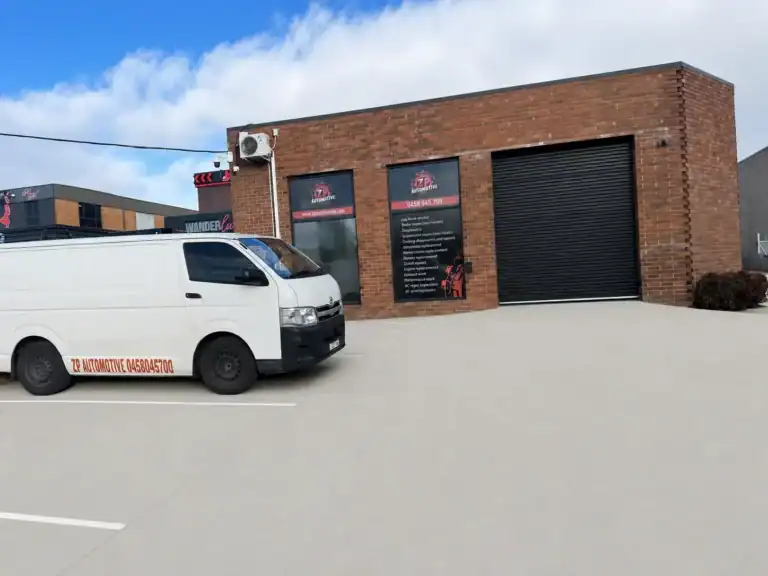
We’re an independent workshop with 10 years in the trade, not a franchise or dealership. You deal directly with the mechanic doing your brake work. There’s no service advisor upselling parts you don’t need and no dealership labour rates inflating your bill. Our pricing is fair and transparent because we’re not competing on being cheapest; we’re competing on doing the job properly the first time.
We specialise in diagnostic work and brake repair. We see Volkswagen brake systems regularly enough to know where problems typically start and how to catch them early. When we recommend work, it’s because we’ve inspected the system and found something specific, not because we’re padding hours.
Your vehicle’s warranty stays intact. If you own a new or nearly-new Volkswagen, logbook servicing at an independent workshop like ZP Automotive keeps manufacturer warranty coverage intact under Australian consumer law. Brake repairs are safety-critical work that you can have performed independently without affecting your warranty.
We also offer wrong-fuel recovery, vehicle lockout and roadside assistance, air conditioning servicing, engine diagnostics, and ACT rego inspections. If you need fleet servicing, we can support that too. Whatever your brake or general vehicle needs, we’re equipped to help.
Book Your Volkswagen Brake Inspection in Mitchell
If you’ve noticed any of the symptoms listed above or your brakes simply don’t feel right, call us or claim your free inspection online. We’ll diagnose what’s happening and explain your options clearly. Our job is helping you understand your Volkswagen and keeping it safe on the road.