BMW brakes are engineered to precise tolerances and demand careful attention. A BMW brake specialist in Mitchell understands the nuances of your BMW’s braking system — whether you’re driving a 3 Series, 5 Series, X3, or another model — and can diagnose and repair brake issues before they become safety risks. Brake performance directly affects your ability to stop safely, so when warning signs appear, professional inspection and repair are essential.
Warning Signs Your BMW Needs Brake Service
BMW brakes often signal problems before they fail completely. Learn to recognise these common symptoms and book an inspection promptly.
- Soft or spongy brake pedal: Indicates air in the brake lines or a fluid leak. BMW’s hydraulic system is sensitive to air contamination, and this symptom requires immediate attention.
- Brake pedal that feels low or travels further than normal: Usually points to worn pads, fluid loss, or issues with BMW’s brake booster.
- Grinding noise when braking: Metal-on-metal contact — pads have worn through. Can damage rotors and increase repair costs if ignored.
- Squealing or squeaking: Often wear indicators on BMW brake pads alerting you to service, though other causes include moisture or glazed rotors.
- Brake warning light on the dashboard: BMW’s diagnostic system monitors pad wear and system pressure. A lit warning light means the system has detected a fault.
- Reduced braking power or longer stopping distance: Major safety concern. May indicate brake fluid contamination, master cylinder failure, or caliper problems.
- Vibration or pulsing through the brake pedal: Suggests warped rotors or uneven pad wear — common in BMW vehicles with high-performance braking demands.
- Brake fluid leaking under the vehicle: Visible fluid pooling is a critical sign. Braking performance degrades as fluid level drops.
How BMW Brake Diagnosis Works
Every BMW brake specialist inspection starts with a systematic check. We don’t guess; we measure and test.
First, we read your BMW’s onboard diagnostics using BMW-specific diagnostic equipment. This reveals stored fault codes related to brake pressure, pad wear sensors, ABS function, and brake force distribution. Many BMW models integrate the braking system with stability control and traction systems, so any brake fault can trigger multiple warning lights — we trace the root cause, not just the symptom.
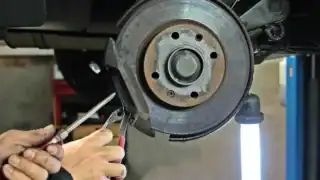
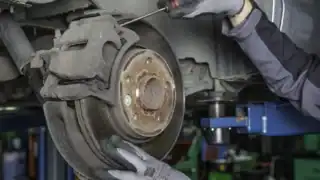
Next, we visually inspect the brake pads, rotors, brake fluid condition, and brake lines. We measure rotor thickness and check for runout (warping) using precision tools. BMW rotors are often thinner than aftermarket alternatives, so measurement is critical — replacement may be necessary even if the rotor still grips.
We test brake fluid quality. BMW’s hydraulic fluid absorbs moisture over time; if fluid has degraded, we flush and refill with OEM-specification fluid to restore braking feel and prevent component corrosion.
Finally, we perform a brake test drive to feel pedal response, stopping power, and any unusual noises or vibrations that don’t show up on the bench.
BMW Brake Repairs and Parts
Repair scope depends on what the inspection uncovers. Common BMW brake work includes brake pad replacement, rotor resurfacing or replacement, brake fluid flush and fill, caliper rebuilding or replacement, and brake line inspection and repair.
We use quality brake components that meet or exceed BMW specifications. OEM-equivalent pads and rotors ensure your brakes perform and feel like BMW intended. We’re not interested in the cheapest aftermarket stock — we fit parts we’d trust on our own cars.
BMW models with Integrated Active Brake or Dynamic Stability Control require careful attention during caliper work. We reset brake system parameters after major repairs to ensure ABS, DSC, and stability systems function correctly.
Cost and Time Factors for BMW Brake Work
Your final cost depends on several variables. Brake pad replacement is straightforward and quick — fluid flush included. Rotor replacement takes longer and costs more, especially if calipers need rebuilding. A caliper leak or master cylinder issue escalates complexity and cost.
Part availability matters. Genuine BMW parts are reliable but take time to order. Quality aftermarket equivalents often arrive faster without sacrificing performance. We discuss your options upfront and let you choose.
We don’t inflate labour hours or recommend parts you don’t need. If your rotors measure within tolerance and don’t need replacement, we’ll tell you — and you’ll only pay for the pads and fluid top-up. If a caliper is the problem, we’ll explain why it must be addressed before moving on.
Why Choose ZP Automotive for BMW Brake Service in Mitchell
Dealership brake service comes with dealership labour rates. National fast-fit chains don’t understand BMW’s integrated braking systems and often miss fault codes or perform unnecessary work.
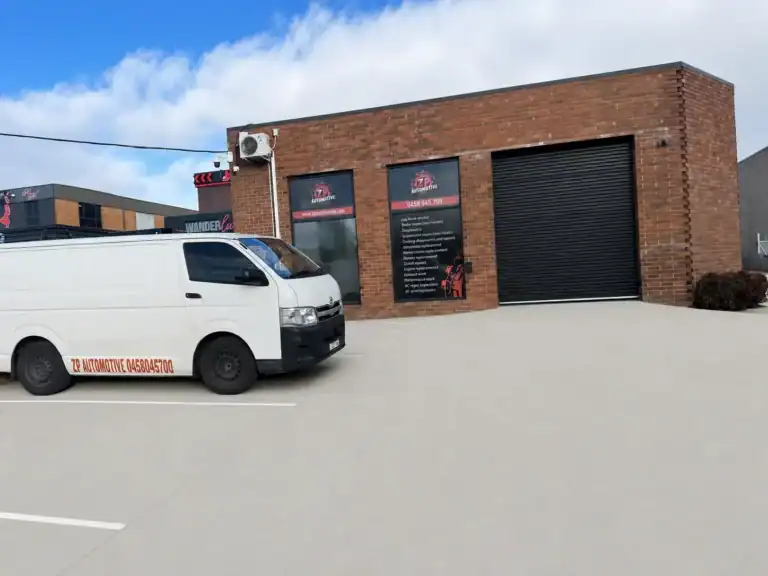
We’re different. ZP Automotive has 10+ years in the trade — plenty of that spent on European vehicles and BMWs. This is an independent, owner-operated workshop. You deal directly with the mechanic doing the work, not a service advisor reading from a script. We explain what’s wrong, what it costs, and what can wait. No upsell. No nonsense.
We use quality brake components — Penrite and Rico fluids, OEM-equivalent pads and rotors — because cheap parts fail early. Transparent pricing means you see what you’re paying for and why. We’re not the cheapest option, but we’re fair and honest.
If your BMW is under warranty, logbook servicing at ZP Automotive keeps that warranty intact. Brake repairs are generally covered under safety-related warranties regardless of where the work is done, but we’ll discuss your specific situation with you.
Book Your BMW Brake Inspection in Mitchell Today
If you’ve noticed any brake warning signs — soft pedal, grinding, reduced stopping power, or dashboard warnings — don’t delay. Brakes are safety-critical. Claim Your Free Inspection by booking online, or Call & Book Now to speak with us directly. We’ll tell you exactly what your BMW needs and what it will cost.