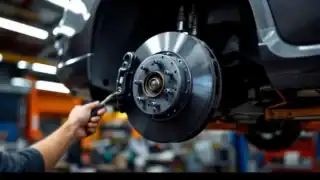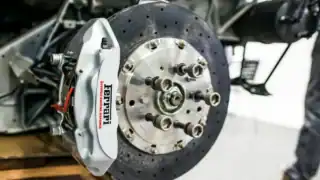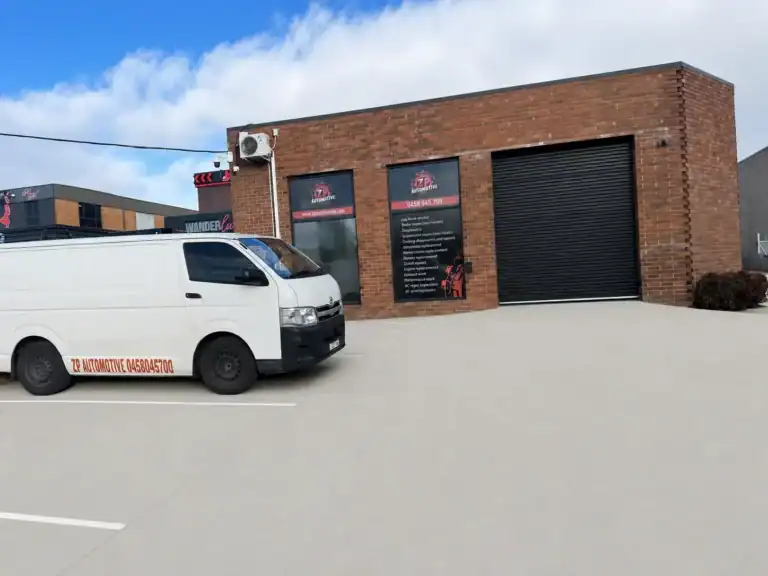
Brake problems in a Honda demand attention. Unlike some vehicle systems that can wait a week or two, your brakes affect whether you stop safely on Mitchell’s roads, which is why we treat brake diagnostics and repairs with the urgency they deserve. Whether you’re noticing soft pedal feel, hearing squeaks, or seeing warning lights on your dashboard, a Honda brake specialist needs to inspect what’s actually happening before you book any parts or labour. We’ve seen plenty of Accords, Civics, CR-Vs and Jazz models come through our workshop in Mitchell, and Honda’s brake systems are generally reliable, but they do have patterns and weak points that a general mechanic might miss.
What Warning Signs Mean Your Honda Needs Brake Inspection
Your Honda is designed to tell you when brake work is needed, but the message isn’t always obvious. Common symptoms that bring Honda owners to us include:
- A soft or spongy brake pedal that requires more pressure to stop
- Squealing or grinding noise when braking, especially on cold mornings
- Brake warning light on the dashboard (ABS or brake system light)
- Uneven stopping power or pulling to one side under braking
- Visible rust or damage to brake components, particularly rotors
- Pulsing or vibration through the pedal when braking
Honda brake systems are also prone to corrosion in the moisture-heavy Canberra environment, particularly on the rear brakes of vehicles that don’t see regular heavy use. If your Honda has been sitting for extended periods, brake fluid degradation accelerates, which is something we specifically check during a Honda brake specialist inspection. Ignoring early warning signs often means more expensive repairs later, and in a safety system like brakes, that’s a risk not worth taking.
How We Diagnose and Service Honda Brakes
A proper Honda brake inspection starts with a full diagnostic. We don’t start pulling components and ordering parts without understanding what’s actually wrong. We begin by assessing brake fluid condition using a moisture test, because brake fluid absorbs water over time and degrades, particularly in older Honda models. Degraded fluid reduces braking performance and can lead to corrosion inside the brake system itself.
Next, we visually inspect all four wheels, checking pad thickness, rotor condition, and any signs of leakage from the callipers or wheel cylinders. Honda models often show wear patterns specific to their design, and we’ve learned to read those patterns. A Civic’s front pads, for example, typically wear faster than the rears due to weight distribution, while a CR-V’s brake load is shared differently. We measure rotor thickness against Honda’s OEM specifications, not generic minimums, because proper rotor sizing matters for your specific Honda.
Once we’ve identified the problem, we explain exactly what needs attention and what can wait. If pads are at 3mm thickness and Honda spec calls for replacement at 2mm, you’ve got some life left. If rotors are scored or below minimum thickness, replacement is non-negotiable for safety. We use quality brake components that match or exceed Honda OEM specifications, including Penrite brake fluid, which handles the demands of Canberra’s temperature swings better than budget alternatives. We don’t use unknown-brand pads or cheap rotors as a cost-cutting measure.
Understanding Brake Service Costs and Timeframes in Mitchell
Brake work cost depends on several real factors. Are you replacing pads only, or do rotors need attention too? Some Honda models have callipers that need servicing or replacement, which adds labour. Rear brake work on vehicles with drum brakes (common on older Hondas) is more involved than disc brakes and takes longer. Whether you choose OEM Honda parts or quality equivalent parts affects price, and we’ll discuss that option with you upfront.
Parts availability rarely delays brake repairs, because brake components for Honda models are in stock or available quickly. Labour time for brake pad and rotor replacement typically takes a few hours, but if callipers need attention or brake lines require inspection, you’re looking at a longer job. We don’t rush brake work, because cutting corners on safety systems is how people end up stranded or worse.
Rather than guessing at a price before we’ve looked at your Honda, we perform a free inspection so you know exactly what’s needed and what it costs. No surprise invoices, no pushing unnecessary work.
Why Choose ZP Automotive for Your Honda’s Brakes
You could take your Honda to a Canberra dealership, but dealership labour rates are significantly higher than ours, and you don’t gain anything in quality or warranty protection by doing so. Independent servicing of brakes doesn’t void your Honda’s manufacturer warranty, and we use parts that meet or exceed OEM specifications, so your brakes work exactly as Honda designed them.
Here’s what you get when you bring your Honda to us: you deal directly with the mechanic doing the work, not a service advisor with an upsell script. We explain what’s wrong in plain language, not in corporate jargon. We’ve spent over 10 years diagnosing and repairing Honda brake systems, and we genuinely don’t push unnecessary work. If your pads have life left, we’ll tell you. If something can wait six months, we’ll say so. Fair pricing, honest advice, and quality parts that we stand behind. Our 5.0 verified reviews reflect the straightforward approach we take with every Honda brake specialist job.
Book Your Free Honda Brake Inspection in Mitchell Today
We’re ready to inspect your Honda’s brakes and explain exactly what’s happening and what it’ll cost. Call & Book Now to arrange your appointment, or Claim Your Free Inspection through our online booking system. Either way, we’ll get your Honda’s brakes sorted safely and fairly right here in Mitchell.