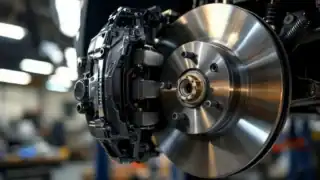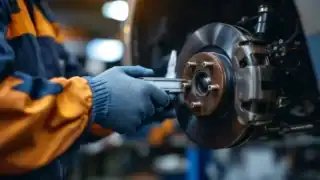
Brakes are the one system on your Mitsubishi that cannot fail without serious consequences. A Mitsubishi brake specialist understands the specific design, materials, and performance standards that Mitsubishi builds into each model, from the lightweight Mirage to the powerful Pajero. Whether you’re noticing soft pedal feel, longer stopping distances, or warning lights on the dashboard, brake issues demand urgent attention. At ZP Automotive in Mitchell, we diagnose and repair Mitsubishi brakes with the precision these vehicles require, using quality parts and transparent advice about what needs fixing now and what can wait.
Warning Signs Your Mitsubishi Brakes Need Inspection
Mitsubishi owners often ignore early brake symptoms because they come on gradually. Soft or spongy pedal feel, increased brake travel before engagement, or a pedal that sinks toward the floor when held under pressure usually indicates air in the hydraulic line or brake fluid degradation. Mitsubishi’s hydraulic systems are engineered to tight tolerances, so even small amounts of moisture contamination in the fluid can cause these symptoms.
Listen for warning signs too. A high-pitched squeal during light braking often means brake pad wear indicators are doing their job, but grinding noise during hard stops suggests pads have worn completely and metal-to-metal contact is occurring. Red warning lights on the dash, whether the brake system warning light or ABS lamp, should never be ignored. Mitsubishi models use integrated ABS and electronic brake force distribution, so diagnostic equipment tuned to Mitsubishi systems is essential to pinpoint the actual fault.
- Soft or sinking brake pedal
- Longer stopping distances or reduced braking power
- Brake pedal pulsation or vibration during hard braking
- Squealing, squeaking, or grinding noises
- Brake fluid leaks under the vehicle
- Brake warning light or ABS light illuminated
- Pulling to one side during braking
How We Diagnose and Repair Mitsubishi Brakes
Our approach to Mitsubishi brake specialist work starts with a full system inspection. We examine brake pads, rotors, callipers, hoses, and the master cylinder, but we also test brake fluid condition and check for contamination. Mitsubishi brake fluid specifications are critical to performance, and we use OEM-spec replacement fluid when needed. Unlike quick-fit chains that replace pads and move on, we measure rotor thickness, check for uneven wear, and assess callipers for sticking or leakage.
For Mitsubishi models with ABS or electronic brake force distribution, we use diagnostic equipment to read fault codes and test sensor function. Common issues on Mitsubishi vehicles include premature pad wear due to callipers not releasing fully, and rotor damage from extended brake dust accumulation in humid conditions. We address the root cause, not just the symptom. If a callipers is dragging, we’ll free it off or replace it depending on damage. If rotor runout is excessive, we machine or replace it. New pads are always fitted with quality friction material matched to your vehicle’s specifications.
We work with quality brake components. Whether you choose OEM Mitsubishi parts or equivalent aftermarket stock from trusted manufacturers, we’ll explain the difference in cost and longevity. Our parts selection is built on reliability, not on stocking the cheapest option. Brake servicing includes proper torque specifications, bleeding air from the hydraulic system if needed, and road testing to confirm feel and stopping power.
What Affects Your Brake Service Cost and Time
Brake repair costs depend on what we find during inspection. Pad replacement alone is straightforward, typically requiring a few hours from diagnosis to road test. Rotor replacement, callipers work, or hydraulic system repairs take longer and cost more because components are more expensive and labour is more involved. Mitsubishi brake fluid may need flushing if contamination is detected, adding to service time.
Parts availability matters too. OEM Mitsubishi components are usually sourced quickly, but some older or less common models may require a day or two. We’ll tell you upfront what we expect to source and what the timeframe looks like. We never hold you in the dark about cost. You’ll know exactly what needs replacing, why it’s necessary, and what the repair will cost before we touch the vehicle.
Why Choose ZP Automotive for Your Mitsubishi Brakes
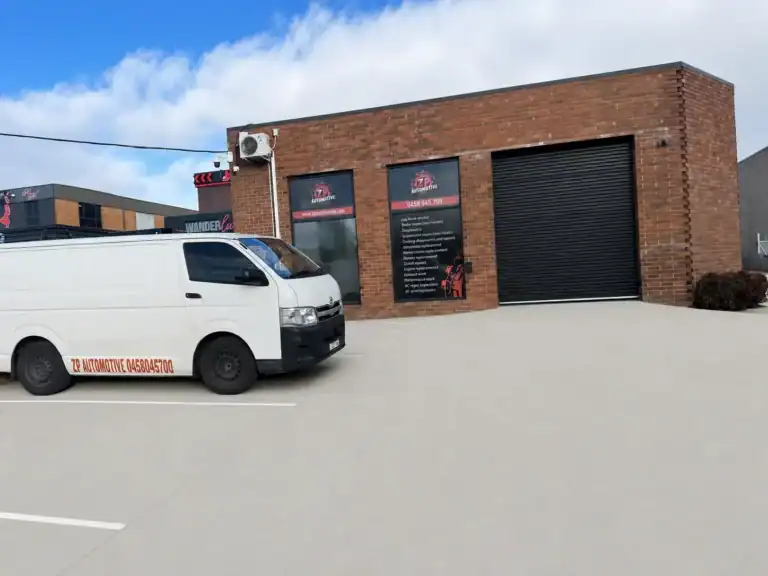
We’re an independent workshop owned and run by Brendan, who brings over 10 years of hands-on experience with all makes including Mitsubishi. You deal directly with the mechanic doing the work, not a service advisor with a sales script. We price fairly without dealership labour rates, and we use quality parts from suppliers like Penrite and Rico instead of stocking the cheapest no-name inventory.
Brakes are one of our core strengths. We understand Mitsubishi’s design philosophy and common failure patterns across their range. If you’re running logbook servicing to protect your new-car warranty, brake work we perform won’t void that protection. Our honest, plain-English approach means you’ll understand what’s wrong, what it’ll cost, and what can actually wait. We don’t upsell, and we don’t rush the job. When you bring your Mitsubishi to Mitchell, you’re getting a mechanic who knows your vehicle’s brake system inside out.
Next Steps: Book Your Free Inspection in Mitchell
If you’ve noticed any of these warning signs, or if your Mitsubishi brakes simply feel less responsive than they should, call us or claim your free inspection online. We’ll diagnose the issue, explain what you’re facing, and give you clear options. Mitchell-based customers and the surrounding north Canberra area can trust ZP Automotive to get your brakes back to safe, responsive performance.