European vehicle brakes demand a different approach. Whether you’re driving a BMW, Mercedes, Audi, Volkswagen, or Porsche, the brake systems on European cars are engineered to European safety standards and designed with precision tolerances that differ markedly from other marques. At ZP Automotive in Mitchell, we specialise in European vehicles brake specialist work, understanding the nuances of these systems and what keeps them stopping safely and reliably. Brake problems can escalate quickly, so recognising warning signs early and getting professional inspection matters.
Warning Signs Your European Vehicle Brakes Need Attention
European brake systems are built to last, but they don’t always announce failure politely. Some signs are obvious; others are subtle and easy to miss if you’re not familiar with how these vehicles behave.
- Brake pedal feels soft, spongy, or sinks toward the floor when you press it
- Grinding or metallic squealing when braking, especially in the morning or after rain
- Brake warning light on the dashboard (often a red circle or ABS light)
- Pulling or dragging to one side when you brake
- Longer stopping distances or a feeling that brakes are less responsive than usual
- Vibration or pulsing through the brake pedal under hard braking
- Brake fluid leak visible under the car or low fluid level in the reservoir
Many European drivers also notice a different brake feel compared to other vehicles. Some BMW and Mercedes models, for example, have electronically assisted braking systems that can behave differently when there’s an issue with the ABS module or wheel speed sensors. If something feels off, don’t assume it’s normal. A European vehicles brake specialist can diagnose the actual problem rather than guessing from general brake symptoms.
What We Check During a European Vehicle Brake Inspection
A proper brake inspection on a European vehicle goes beyond just measuring pad thickness. Our process is methodical because brake safety is non-negotiable.
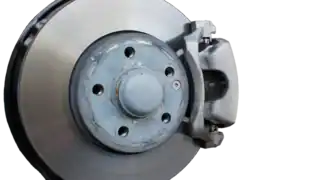
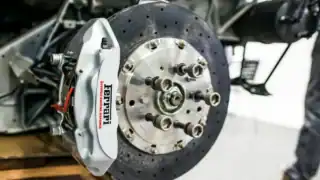
We start by listening and feeling. As we back the car onto the ramp, we pay attention to how the brakes respond. We then remove each wheel and examine the pads, rotors, callipers, and brake lines. For European vehicles, we measure rotor thickness against the manufacturer’s minimum specification and check for scoring or glazing that suggests uneven wear or contamination. Callipers are inspected for fluid leaks and smooth movement; sticky or sticking callipers often cause uneven pad wear and pulling.
Brake fluid condition is crucial on European cars because many models use this fluid for power steering and ABS functions as well. Old or contaminated fluid loses effectiveness and can damage brake components. We test fluid condition and top up or flush if needed, using fluids that meet European specifications.
If warning lights are present, we run a full diagnostic scan. European vehicles use sophisticated ABS and electronic stability systems. A red brake light or ABS warning can mean anything from worn pads triggering a sensor, to a failing ABS modulator, to an issue with wheel speed sensors. Diagnosing properly identifies the root cause so we fix the right thing the first time.
Once inspection is complete, we explain exactly what we’ve found, what needs attention now, and what can wait. No pressure, no surprise invoices.
Cost and Time Factors for European Vehicle Brake Work
Brake work cost and timeline depend on several factors specific to your vehicle and what we find.
Parts availability plays a role. OEM brake components for European vehicles are generally available quickly, but some specialist rotors or imported pads may take a few extra days. We use quality aftermarket parts and OEM-equivalent components, not cut-price stock, because brake safety isn’t the place to save a few dollars. The labour cost varies based on what’s being done. A pad replacement is straightforward on most European models. A calliper overhaul or brake line replacement takes longer and costs more. ABS or electronic brake system repairs can require specialised diagnostic equipment and knowledge, which is why choosing a European vehicles brake shop with genuine experience matters.
Time on the job also depends on vehicle condition. If callipers have seized or rotors are severely damaged, or if we discover a brake line issue, the work extends. We always contact you before proceeding with additional work. One-day turnaround is common for straightforward brake pads and light rotor work. Larger jobs may take a day or two, especially if parts need ordering or if the vehicle sits in the queue behind other work.
Why Choose ZP Automotive in Mitchell for European Vehicle Brake Service
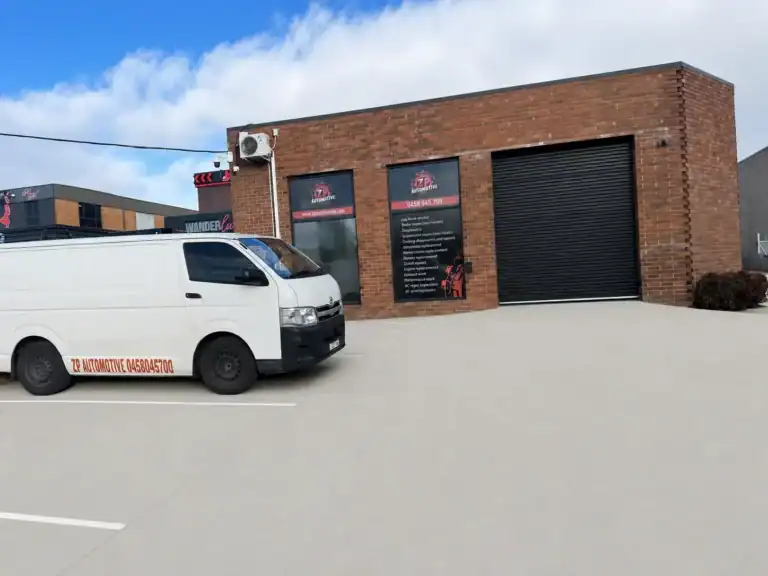
We’re an independent, owner-operated workshop with more than 10 years in the trade. We know European vehicles because we work on them regularly, not just occasionally between different makes. That means we recognise the quirks, the common failure patterns, and what needs proper attention versus what’s normal on these cars.
You deal directly with the mechanic doing the work. No service advisor upselling unnecessary extras. No dealership labour rates. You get honest, plain-English advice about what’s wrong, what it costs, and what can wait. We use quality parts and fluids including Penrite and Rico products, not the cheapest no-name stock that fails early.
Brake safety is too important for corner-cutting. We inspect thoroughly, diagnose correctly, and explain our findings so you understand what’s happening under your car. We’ve also handled emergency roadside brake issues in the Mitchell area and surrounding suburbs, so if you’re ever stuck with brake problems, we know how to help.
Book Your European Vehicle Brake Inspection Today
If your European vehicle brake system is showing any of the warning signs above, or if it’s simply been a while since a proper inspection, call us or book online to Claim Your Free Inspection. We’ll get your brakes checked, diagnosed, and sorted at ZP Automotive in Mitchell.