Mercedes brake systems are engineered to exacting standards, but wear and damage don’t read a specification sheet. When your Mercedes starts to show brake warning signs, getting it diagnosed and serviced by someone who understands the brand makes a real difference. A Mercedes brake specialist in Mitchell knows how these vehicles are designed to stop, what goes wrong, and how to get you back to the responsive, confident braking Mercedes owners expect.
How to Spot Mercedes Brake Problems Before They Worsen
Most brake issues announce themselves before things become unsafe. Catching them early means a simpler, less costly repair and avoids the risk of brake fade or failure on the road.
- Brake warning light on the dashboard, especially the red brake fluid symbol or ABS warning.
- Soft or spongy brake pedal that requires extra pressure to stop the vehicle.
- Grinding or squealing noise when braking, particularly in wet conditions.
- Brake pedal that feels lower than normal or travels further than it should.
- Vibration or pulsing through the brake pedal under braking.
- Visible wear on brake pads (thin or uneven wear patterns visible through wheel spokes).
- Longer stopping distances or a feeling that the brakes are less responsive than usual.
Mercedes vehicles also have condition-based servicing intervals. Unlike older fixed schedules, your Mercedes brake system is monitored through onboard diagnostics. A warning light doesn’t always mean pads are worn; sometimes it’s air in the brake lines, low fluid, or a sensor fault. That’s why inspection matters before parts are replaced.
What a Mercedes Brake Inspection and Service Covers
A thorough Mercedes brake specialist assessment goes beyond checking pad thickness. We inspect the entire brake circuit to understand what’s actually happening and what needs to be addressed.
Diagnostic scanning: Most Mercedes brake issues trigger the onboard diagnostics system. We plug in to read fault codes, which tell us whether it’s a pad wear sensor, ABS module fault, brake fluid contamination, or genuine mechanical wear. This prevents guesswork and unnecessary parts replacement.
Brake fluid inspection: Mercedes brake fluid absorbs moisture over time. High moisture content reduces braking performance and corrodes internal brake components. We test fluid condition and replace it if it’s degraded. This is especially important in older Mercedes models where brake fluid intervals are often overlooked.
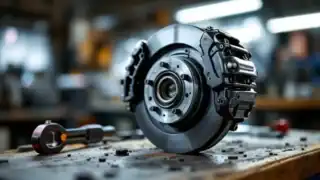
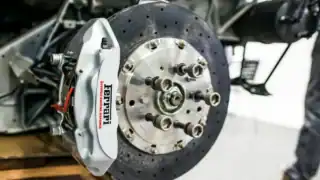
Pad and rotor assessment: We measure rotor thickness and check for scoring, warping, or uneven wear. Brake pads are inspected for material remaining, wear patterns, and backing plate condition. Mercedes uses different pad compounds for different models and driving conditions. Using the right spec matters for braking feel and longevity.
Caliper and brake hose examination: Seized or sticking calipers cause uneven wear and poor braking. We check caliper movement, piston condition, and brake hose integrity. Rubber hoses deteriorate and can restrict fluid flow; we assess whether they need replacement.
ABS and stability control systems: Mercedes ABS systems are sophisticated. A fault in the ABS module or wheel speed sensor can prevent normal braking. We diagnose whether the issue is mechanical or electrical and advise accordingly.
Cost and Timeframe Factors for Mercedes Brake Work
What you’ll pay and how long the job takes depends on what’s actually wrong. We don’t charge dealership rates, and we don’t recommend parts you don’t need.
Simple pad replacement with light rotor resurfacing can often be done in an afternoon. If rotors need replacement, fluid is contaminated, or ABS components are faulty, the job takes longer and costs more. Sourcing genuine Mercedes parts or approved equivalents takes a day or two longer than picking something off the shelf, but it’s what your brake system deserves.
Parts availability varies. Genuine Mercedes brake components are usually in stock or available quickly. We can source them efficiently without keeping you waiting. We don’t use cheap aftermarket parts that fail in six months; we use quality replacements that last and perform as the engineers intended.
Brake fluid replacement is a separate job that takes time to do properly. Flushing air and old fluid from the entire system is not rushed. If your Mercedes needs new brake lines, hoses, or caliper rebuilding, we’ll explain the cost and timeframe upfront before we start.
Why Independent Mercedes Brake Specialists Make Sense
You could book into a dealership, but you’ll wait longer and pay dealership labour rates. You could visit a franchise fast-fit chain, but they’re often focused on quick pad swaps and don’t specialise in Mercedes diagnostics.
At our Mitchell workshop, you’re dealing directly with the mechanic doing the work. No service advisor upselling extras. No mystery charges. We have 10+ years in the trade, and we know how Mercedes brake systems behave. We use quality parts and oils we’d use on our own vehicles. We explain what’s wrong, what it’ll cost, and what can wait. Fair pricing, honest advice, and the kind of care an owner-operated family workshop brings to the job.
We also stand by our work. When your Mercedes brakes are serviced here, you’re getting a job done right the first time, not a quick fix designed to get you out the door.
Book Your Mercedes Brake Inspection in Mitchell Today
If your Mercedes brake light is on, your pedal feels soft, or you’ve noticed any of the warning signs above, call us or claim your free inspection. We’ll diagnose the problem and give you honest options for getting your Mercedes back to safe, responsive braking.