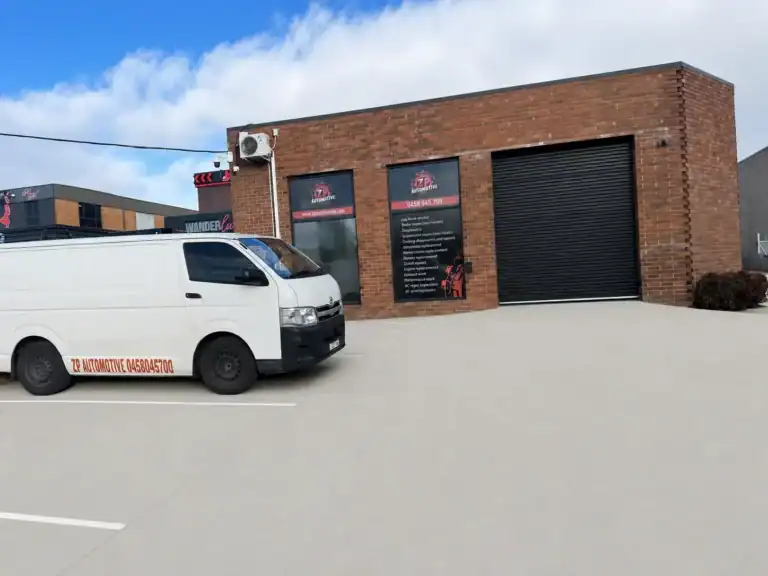
Brake problems on a Hyundai don’t always announce themselves with a screech or a warning light. Sometimes you’ll notice the pedal feels softer than usual, or the car pulls slightly to one side when you slow down. These are the moments when a Hyundai brake specialist becomes essential. At ZP Automotive in Mitchell, we focus on keeping your Hyundai’s brakes safe, responsive, and reliable. Hyundai brake systems are engineered with specific tolerances and materials, and they deserve service from someone who understands them properly.
Warning Signs Your Hyundai Needs Brake Inspection
Your brakes usually give you notice before things become dangerous. Watch for these common signals:
- A soft or spongy brake pedal that sinks lower than normal before building pressure
- A grinding or squealing noise when braking, especially in wet weather
- The car pulling to one side when you apply the brakes
- Vibration or pulsing felt through the pedal or steering wheel
- A burning smell after heavy braking or driving downhill
- Brake warning light on the dash, either the brake fluid level indicator or ABS light
- Increased stopping distance, or feeling like you need to press harder to slow down
Some of these appear without warning; others build gradually over weeks. Either way, a professional inspection is the only way to know what’s actually happening under your wheels.
How We Diagnose and Service Your Hyundai’s Brakes
A Hyundai brake specialist needs to know the specific engineering of your model. Hyundai uses modern brake architectures with integrated ABS, electronic stability control, and in many models, brake assist systems. These mean a simple pad replacement is often just the start of a proper diagnosis.
We begin with a full visual inspection of all four wheels. We measure pad thickness and check rotor condition. We look at the condition of brake fluid, which on Hyundais should be clear and free of moisture. If it’s dark or milky, it needs flushing. We test the brake lines for corrosion and check all seals and cylinders for leaks.
If warning lights are present, we connect diagnostic equipment to read Hyundai-specific fault codes from your ABS and brake control modules. This tells us whether the issue is a worn sensor, a failing actuator, or simply worn pads triggering the warning. We don’t guess. We test.
For brake fluid work, we follow Hyundai’s specification for fluid type and flushing intervals. Brake fluid deteriorates over time as it absorbs moisture from the air, reducing its ability to transfer pressure and protect internal components. On Hyundai models, flushing every two years or when diagnostic testing shows contamination keeps your system performing as designed.
Parts replacement uses Hyundai OEM-equivalent or quality aftermarket components. We don’t fit cheap no-name pads that glaze over quickly or rotors that wear unevenly. We use parts we trust to stop your car safely and last.
What Affects Cost and Timeframe
Brake work on a Hyundai can range from a simple pad replacement to a more involved repair involving seals, lines, or ABS module recalibration. The variables are straightforward:
Parts availability. OEM Hyundai pads and rotors are usually in stock or sourced quickly. Specialised components like brake cylinders or seals may take a day or two. We’ll let you know upfront what we’re ordering and when it arrives.
Severity of wear. If only pads are gone, the job is quick. If rotors are damaged, scored, or beyond minimum thickness, they need replacing too. Rusted brake lines or failing cylinders add time because they require careful removal and flushing to prevent air entering the system.
Model complexity. Newer Hyundais with electronic brake distribution and ABS require calibration after major work. Older models are simpler. We assess what your specific model needs.
Fluid work. A brake fluid flush takes time because we bleed every corner of the system to remove old fluid completely. Rushing this job means air in your lines and a spongy pedal that won’t stop properly.
We give you a clear estimate before starting. No surprises, no hidden fees. If something unexpected shows up during inspection, we’ll call and explain it before proceeding.
Why Hyundai Owners in Mitchell Trust Us
We’re an independent workshop, not a dealership. That means you’re dealing directly with the mechanic doing your brakes, not a service advisor reading from a script. We explain what we find, what needs doing, and what can wait. No upsell. No labour rates that treat routine maintenance like specialist work.
Brendan has over 10 years in the trade, with focused experience on brake diagnostics and safe repair. We use quality parts and fluids from brands like Penrite and Rico because they perform. We don’t compete on being the cheapest; we compete on honest advice and work you can trust.
Your Hyundai’s warranty stays intact. Logbook servicing with an independent mechanic doesn’t void your manufacturer protection. We keep full records of everything we do, so your warranty history is clear.
We also handle ACT roadworthy inspections, which include brake testing. If you need your brakes checked as part of a pre-sale inspection or to satisfy a compliance requirement, we do that work to the same standard.
Next Steps: Book Your Brake Inspection Today
If your Hyundai’s brakes are showing any of the warning signs above, or if it’s been over two years since they were last checked, call us for a brake service in Mitchell or book a free inspection online. We’ll get under the car, test everything properly, and tell you exactly what you’re looking at. Call & Book Now to speak with us, or Claim Your Free Inspection online today.