If you own a Great Wall, you depend on your brakes to work reliably every single time you step on the pedal. A Great Wall brake specialist in Mitchell understands the specific brake systems fitted to Great Wall models and knows exactly how to diagnose, maintain, and repair them properly. Whether you’ve noticed a soft pedal, grinding sounds, or longer stopping distances, the right brake inspection can catch small issues before they become dangerous or expensive.
Warning Signs Your Great Wall Needs Brake Attention
Great Wall vehicles are built with effective braking systems, but like any mechanical component, they wear and need servicing. Watch for these specific symptoms that indicate your brakes need professional inspection:
- Soft or spongy brake pedal that goes down further than usual before resistance builds
- Brake warning light appearing on the dashboard, especially after heavy braking or towing
- Grinding, squealing, or metal-on-metal sounds when braking, particularly in wet conditions or after rain
- Vehicle pulling to one side when braking, suggesting uneven pad wear or caliper problems
- Longer stopping distances even though the pedal feels firm
- Vibration or pulsing through the brake pedal during normal braking
- Visible brake fluid leaks underneath the vehicle, usually near the wheels or under the engine bay
Great Wall brake systems often show wear patterns specific to how these vehicles are built and how they perform under Australian driving conditions. If you’ve noticed any of these signs, bring your vehicle in for a full diagnostic before the situation worsens.
How a Great Wall Brake Specialist Diagnoses and Services Your Brakes
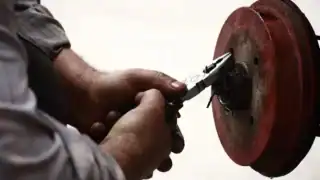
A proper brake inspection on a Great Wall starts with a visual check of the entire system, then moves into detailed testing that most drivers never see. We inspect brake pads, rotors, callipers, hoses, and the master cylinder to identify what’s actually worn or damaged. For Great Wall models, we follow manufacturer specifications for brake fluid type, pressure testing thresholds, and pad wear limits.
The diagnostic process includes measuring rotor thickness with precision tools to confirm whether they can be reused or must be replaced. We test brake fluid condition, as Great Wall brakes rely on proper fluid pressure to function safely. If the pedal feels soft or unresponsive, we check for air in the brake lines or fluid leaks that reduce pressure. We also inspect callipers for sticking or corrosion, which is common in vehicles exposed to salt and moisture.
Once we identify the problem, we explain exactly what’s worn, why it matters, and what options are available. Some repairs are straightforward: pad replacement with quality friction material that matches Great Wall OEM specifications. Other issues require more work, like rotor replacement or brake line repair. We’ll be clear about what’s urgent for safety and what can wait a few weeks if budget is tight.
Great Wall Brake Parts and Service Standards
We use quality replacement brake components that meet or exceed Great Wall factory specifications. This means using the right friction materials, rotor grades, and brake fluid types that your vehicle was designed for. We don’t fit cheap no-name pads just to keep costs down; we use brands that perform consistently and last longer, saving you money over time.
For Great Wall vehicles, brake fluid must be the correct specification, usually DOT 3 or DOT 4 depending on your model year. Using the wrong fluid can affect braking feel and safety. We stock the right fluid and top up or flush the system as needed during service. At ZP Automotive in Mitchell, we’re committed to using Penrite and other trusted brands that meet Great Wall requirements.
What Affects the Cost and Timeline of Great Wall Brake Work
Brake service costs depend on what we find during inspection. A simple pad replacement is quicker and cheaper than rotor and caliper work, but every vehicle is different. Some Great Wall models have more accessible brake components than others, which affects labour time. If rotors are worn unevenly, we may need to resurface or replace them on multiple wheels, increasing the job scope.
Parts availability can also affect timing. Most common brake components for Great Wall vehicles are in stock or available quickly, but less common parts may need to be ordered. We’ll tell you upfront if a job will take longer and why. We don’t hold your car hostage waiting for parts; we explain the delay and keep you updated.
Labour rates at an independent workshop like ours are fair and transparent, without the dealership labour markup you’d pay at a franchise service centre. You’re paying for the mechanic’s skill and experience, not for corporate overhead.
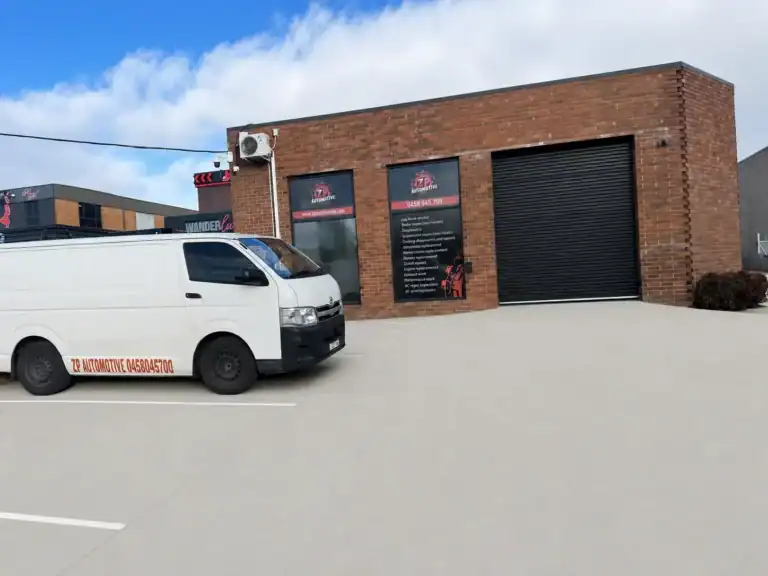
Why Choose ZP Automotive for Your Great Wall Brake Service in Mitchell
When you bring your Great Wall to ZP Automotive, you deal directly with the mechanic doing the work, not a service advisor reading from a script. We’ve spent over 10 years in the trade learning how different vehicles behave, including Great Wall models. We know which brake problems are common, which are rare, and exactly how to fix them without replacing parts you don’t need.
We’re independent, owner-operated, and focused on keeping your vehicle safe and reliable long-term. That means honest, plain-English advice: we’ll tell you what’s wrong, what it’ll cost, and what can wait. We explain our diagnosis so you understand why we’re recommending what we are. No upsell pressure, no mysterious extra charges. Your safety depends on your brakes working properly, and we treat that responsibility seriously.
Beyond brake specialist work, ZP Automotive in Mitchell provides logbook servicing that keeps your manufacturer warranty intact, air conditioning servicing, engine diagnostics, wrong-fuel recovery, and vehicle lockout assistance. We’re the workshop that understands Great Wall vehicles and what Australian conditions demand of them.
Book Your Great Wall Brake Inspection in Mitchell Today
If you’ve noticed any brake warning signs or it’s been a while since your last brake check, Call & Book Now or Claim Your Free Inspection. We’ll run a complete diagnostic, explain what we find, and give you honest advice on next steps. Your brakes are too important to ignore.