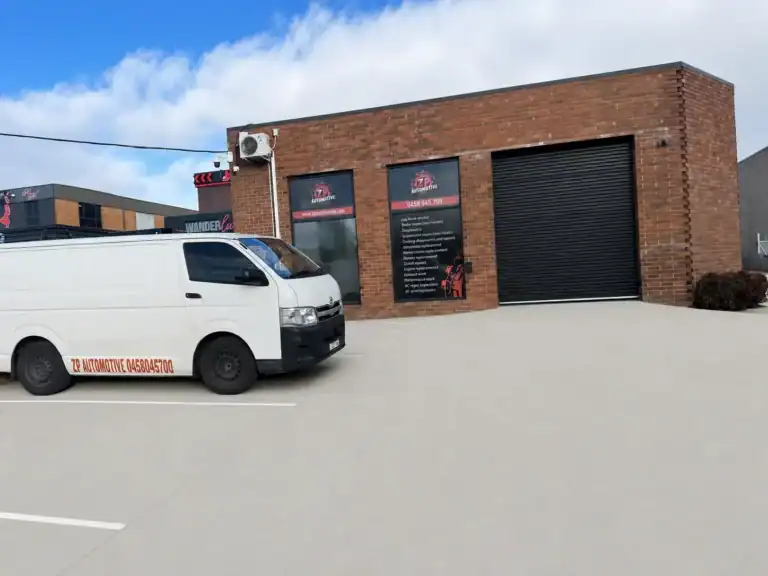
European vehicles brake service requires specialist knowledge because European cars — whether German, Italian, or French — often use different brake architectures, fluid standards, and component tolerances than their Japanese or American counterparts. At ZP Automotive in Mitchell, we have the diagnostic equipment and experience to service European brakes correctly, respecting the engineering that went into your vehicle while keeping you safe on Canberra roads.
Warning Signs Your European Vehicle Needs Brake Service
European brakes typically tell you when they need attention. If you notice any of these signs, a professional inspection is overdue:
- A soft or spongy brake pedal that requires more travel than usual before gripping
- Brake warning lights on your dashboard, even if braking still feels normal
- Squealing, grinding, or metallic noise when you brake, especially on cold mornings
- Uneven braking — the car pulling to one side when you apply the brakes
- Longer stopping distances than you’re used to
- Vibration or pulsing through the pedal when braking hard
- A burning smell after heavy braking, particularly on steep descents or city driving
European vehicles often use high-performance brake fluid and precision-engineered calipers. If the fluid absorbs moisture over time (which happens naturally), the boiling point drops, and your brakes can fade under load. Regular European vehicles brake service prevents this degradation and keeps you confident behind the wheel.
What Happens During a European Vehicles Brake Service in Mitchell
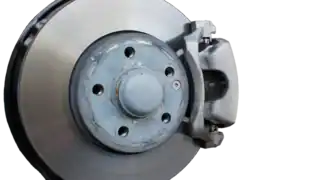
Our process starts with a full diagnostic inspection. We remove each wheel and visually assess the brake pads, rotors, calipers, and brake lines. For European vehicles, we pay particular attention to brake fluid condition because many European manufacturers specify DOT 4 or DOT 5.1 fluid with strict moisture limits. We test fluid absorption to determine whether a fluid change is needed alongside pad replacement.
Brake pad assessment. We measure pad thickness against manufacturer specifications and check for uneven wear, which can signal calipers that aren’t releasing properly or suspension geometry issues. European vehicles often run thinner OEM pads than their Japanese equivalents, so early detection matters.
Rotor inspection. We measure rotor thickness and run-out (whether the rotor sits truly in the hub). Many European cars have tighter tolerances here than standard vehicles. If a rotor is worn beyond specification or warped, we replace it; resurfacing often isn’t an option on European brakes because the remaining material margin is already tight.
Calipers and hydraulic system. We inspect calipers for corrosion, seal condition, and piston movement. For European vehicles, this includes checking that the calipers are releasing fully and not dragging. We also inspect the brake hoses for cracks, leaks, or age-related deterioration — European vehicles in Mitchell and Canberra’s climate experience freeze-thaw cycles that can compromise hose integrity.
Brake fluid flush. If fluid testing shows contamination or moisture absorption, we flush the entire system with fresh fluid meeting your vehicle’s OEM specification. This step prevents brake fade and keeps the anti-lock braking system (ABS) functioning correctly. European vehicles rely heavily on ABS, and dirty fluid compromises sensor accuracy.
Cost and Timeline Factors for European Brake Work
Several variables affect the scope and cost of your European vehicles brake service. First is how worn your components are. If pads are at 2mm thickness, you’re looking at pads and possibly fluid. If rotors are warped or worn below minimum thickness, replacement is mandatory — we won’t resurface them below specification because that compromises your safety margin.
Parts availability matters. We use quality aftermarket or OEM-equivalent parts — not the cheapest no-name stock. For many European cars, sourcing genuine or Penrite-equivalent brake components takes longer than for mainstream Japanese vehicles, but we prioritise correct specification over quick turnaround. If your vehicle is a specialist model, we may need to order parts, and we’ll give you a realistic timeframe upfront.
Labour time depends on whether we’re replacing just pads or doing a full calipers and fluid service. A straightforward pad change takes a couple of hours. A full brake system service including fluid, calipers, and rotor replacement may take a full day. We explain what’s needed, what it costs, and what can wait before we start.
Why Choose ZP Automotive for European Vehicle Brakes
We’re an independent, owner-operated workshop run by Brendan, who has more than 10 years’ hands-on experience. We specialise in brake work — it’s one of the services we’re known for in Mitchell. You deal directly with the mechanic doing the work, not a service advisor with scripts. If we find something unexpected during inspection, we call you, explain it in plain English, and show you what needs doing before we proceed.
We use quality parts and fluids. Penrite and Rico are our go-to brands because they meet European specifications and keep your brakes performing reliably through Canberra winters and long country drives. We don’t compromise on safety to save a few dollars, and we price fairly without dealership labour rates.
If your European vehicle is under warranty, logbook servicing at our workshop keeps that warranty intact. We follow manufacturer service schedules and use parts that won’t void your coverage.
Next Steps: Book Your European Vehicle Brake Inspection
Brakes are safety-critical. If you’ve noticed any symptoms, or if it’s been a while since your last brake service, call us or claim your free inspection online. We’ll get your European vehicle onto the hoist, diagnose exactly what’s needed, and explain your options before you commit to anything.