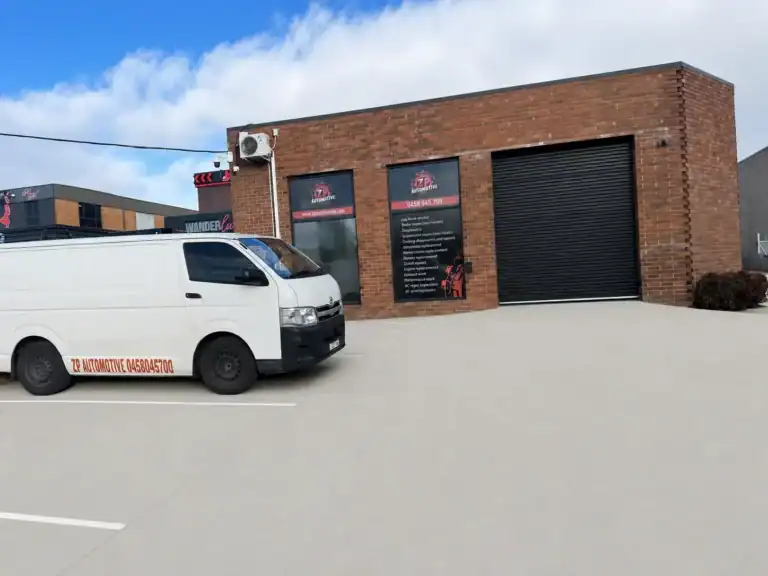
Owner-Operated Workshop
Quality Parts & Oils
5.0★ Rating
Transparent Pricing

5.0 (Verified Reviews)

Professional Suzuki Brake Service In Mitchell

We inspect, service, and repair Suzuki brakes in Mitchell with transparent pricing and no dealership labour rates. Know exactly what's needed before we start.

Honest Advice

Quality Parts

5.0★ Rating

Suzuki Brake Specialists

Claim Your Free Check

Fill in the form and we'll get back to you promptly — no obligation.

Booking Form
  • Vehicle Details
  • Confirm Vehicle
  • Services
  • Contact Details
No Upsell Scripts
Quality Parts Used
Plain-English Advice

Why Book With Us

Claim Your Free Inspection
Drop Off Your Car
We Get to Work
Back on the Road

Suzuki brake service is one of the most important jobs we do at our Mitchell workshop. Your brakes are the only system that slows you down or stops you entirely, and they wear predictably over time. Whether you’re driving a Swift, Vitara, or Jimny, brake performance degrades gradually, which means the warning signs are often subtle until they’re not. We inspect Suzuki brakes regularly, and we’ve learned what to look for at each model’s common wear points. This page explains what happens during a Suzuki brake service, why it matters, and how to know when your vehicle needs attention.

Common Brake Warning Signs in Suzuki Vehicles

Most drivers don’t think about their brakes until something feels wrong. By then, the pads are already thin, or the rotors are damaged. Catch these signs early and you’ll avoid a more expensive repair.

  • Soft or spongy brake pedal that requires extra pressure to stop
  • Brake pedal sinks slowly to the floor when held steady
  • Squealing or high-pitched noise when braking, especially in the morning
  • Grinding sound under hard braking (metal on metal)
  • Brake fluid warning light on your dashboard
  • Vehicle pulls to one side when braking
  • Longer stopping distances than normal
  • Vibration or pulsing through the pedal or steering wheel

Any of these warrant a professional inspection. Suzuki brake systems are well designed, but they still need regular attention. Moisture gets into the brake fluid over time, brake pads thin with use, and rotors can warp if your vehicle tows, drives in heavy traffic, or sits parked for long stretches in the ACT weather.

What a Suzuki Brake Service Involves

When you bring your Suzuki in for a brake service, we start with a thorough inspection of the entire system. We lift the vehicle, remove each wheel, and measure brake pad thickness. We visually check rotors for scoring, glazing, or rust, and we examine the callipers for corrosion or seized pistons. We also test the brake fluid condition using a moisture meter. Old fluid absorbs water and loses stopping power, so we check it even if the pads still have life.

If the pads are below the manufacturer’s minimum thickness, we replace them with quality parts that match Suzuki’s OEM specifications. We use Penrite brake fluid when topping up or flushing, which meets Australian standards and gives you reliable braking in all conditions. If rotors are damaged, we machine or replace them depending on thickness and wear pattern. We check all brake hoses for cracks or leaks, and we test the entire system before returning your vehicle.

For Suzuki models with anti-lock braking (ABS), we also run diagnostics to ensure the system is functioning correctly. ABS sensors can collect debris or corrode, and a full service catches these issues before they affect your safety. We test the handbrake mechanism separately, especially on Suzuki Vitaras and Jimnys, which are often used on rougher terrain and need secure parking brakes.

Brake Pad and Rotor Wear in Suzuki Vehicles

Different Suzuki models have different brake specifications. A Swift’s brakes work differently from a Vitara’s, which has a heavier vehicle mass to manage. When we service your Suzuki, we refer to the model-specific service schedule in the logbook, not a generic checklist. This means we know exactly when pads should be replaced, what fluid grade to use, and whether rotors can be reused or need replacement.

Brake pad life depends on driving habits. City driving with frequent braking wears pads faster than highway cruising. Towing or driving regularly in hilly terrain also accelerates wear. We’ve serviced enough Suzukis around Mitchell and the broader ACT region to know typical wear patterns, and we’ll give you honest advice on whether you can get another six months out of your pads or need them replaced now.

Cost, Timeframe, and What Affects Price

Suzuki brake service cost varies depending on what we find during inspection. If only pads need replacing and fluid is clean, the service is straightforward and relatively quick. If rotors are damaged, if the system needs flushing, or if callipers are sticking, the job takes longer and costs more. We explain what we’ve found before starting any work, so you know exactly what you’re paying for and why.

We use quality replacement parts that meet or exceed Suzuki’s OEM standards, not the cheapest no-name stock from discount suppliers. This means your brakes will perform reliably and last as long as they should. Parts availability is rarely an issue for Suzuki vehicles, so most jobs are completed within a day or two.

Why Choose ZP Automotive for Your Suzuki Brake Service

We’re an independent, owner-operated workshop competing against Canberra’s dealerships and big-chain mechanics. You deal directly with the mechanic doing the work, not a service advisor with a upsell script. Our team has over 10 years in the trade and understands how Suzuki brakes behave across different models and driving conditions. We explain what’s wrong, what it costs, and what can wait. We use quality fluids and parts like Penrite, and we price fairly without dealership labour rates.

If you own a Suzuki, logbook servicing including brakes keeps your manufacturer warranty intact, even though you’re serviced independently at ZP Automotive in Mitchell. We follow the manufacturer’s schedule and use OEM-equivalent parts, so there’s no warranty risk. We also handle wrong-fuel recovery, vehicle lockout assistance, and air conditioning servicing, giving you a trusted workshop for all your Suzuki’s needs.

Book Your Suzuki Brake Service at ZP Automotive

If you’ve noticed any of the warning signs above, or if your logbook is due for a service, Call & Book Now or Claim Your Free Inspection online. We’ll get your Suzuki’s brakes sorted and explain exactly what we’ve done and why.

Other Services

Whatever your needs we have you covered, see some similar services below or click "See All Services" to explore our full service offering.

Honest Mechanics, Fair Prices in Mitchell

Owner-operated and family-run, we give you straight answers, quality parts, and fair pricing without the dealership markup or the upsell scripts.

You Deal With the Mechanic

Talk directly to the owner — no service advisors, no middlemen, no upsell pressure.

Quality Parts, Honest Pricing

Bring your vehicle in and we’ll assess what’s needed before any work begins.

Suzuki-Trained Brake Diagnostics

We know Suzuki brake systems inside out, so we spot issues others miss

How Suzuki Brake Service Works

From booking through to brake safety verification, see what to expect during your Suzuki brake service.

Step 1

Claim Your Free Inspection

Claim your free brake inspection to assess your Suzuki's brake condition and get clear recommendations.

Step 2

Suzuki Brake System Inspection

We measure pad thickness, rotor wear, and fluid condition using Suzuki-specific test procedures.

Step 3

Precision Brake Repair

We replace pads, rotors, or fluid to Suzuki specifications using quality OEM-compatible parts.

Step 4

Safety Verification & Collection

We test your brakes on the road, confirm safe operation, and your vehicle is ready to drive.

What Our Customers Say

5.0 (Verified Reviews)

Quality Parts From Trusted Suppliers

We use quality oils and parts from reputable suppliers — including Penrite and Rico — because what goes into your car matters as much as the work itself.

Claim Your Free Check

Fill in the form and we'll get back to you promptly — no obligation.

Booking Form
  • Vehicle Details
  • Confirm Vehicle
  • Services
  • Contact Details
No Upsell Scripts
Quality Parts Used
Plain-English Advice

Why Book With Us

Claim Your Free Inspection
Drop Off Your Car
We Get to Work
Back on the Road

Got Questions? We Have Answers

Browse the common questions below. If yours isn't listed, give us a call and we'll give you a straight answer.

A Suzuki brake service includes inspection of brake pads, rotors, calipers, and brake fluid. We check pad thickness against manufacturer specifications, measure rotor wear and runout, test brake response, and top up or replace fluid as needed. The scope depends on your vehicle’s condition and what your logbook calls for at that service interval. We’ll explain what we find before starting work.

Brake service intervals vary by model and driving conditions. Most Suzuki logbooks recommend a brake fluid check or replacement every 12 months or 10,000 kilometres, whichever comes first. Pad wear depends on your driving style and road conditions. We inspect your brakes at every service visit and let you know if pads are nearing the wear limit. Regular inspections help catch issues early and keep you safe.

Common warning signs include a squealing or squeaking noise when braking, reduced brake pedal firmness, a soft or spongy feeling, or a brake warning light on your dashboard. Some Suzukis have wear sensors that trigger the light as pads thin. Grinding sounds mean pads are severely worn and you risk rotor damage. If you notice any of these, get the brakes inspected soon. Delaying brake work puts you and your passengers at risk.

Australian consumer law, guided by ACCC principles, generally does not require you to use a dealership for servicing to keep your manufacturer warranty intact, provided the work is done by qualified technicians using appropriate parts. We follow logbook service schedules and use quality oils and components. For specific warranty questions about your exact vehicle and terms, check your warranty document or contact your Suzuki dealer directly. We’re happy to discuss your individual circumstances.

A standard brake inspection and pad replacement typically takes 1-2 hours, depending on how much work is needed and how busy we are. If rotors need machining or calipers need service, it may take longer. We’ll give you a clearer timeframe when you book or call in. You’re welcome to wait in our workshop or we can give you a call when the work is done.

Suzuki vehicles generally have reliable brake systems, but like any car, pads and fluid degrade over time. Some owners report slightly softer pedal feel on older models, which usually points to fluid age or air in the line. Rotor corrosion can happen if the vehicle sits unused for long periods. Regular servicing and fluid changes every 12 months help prevent these issues. We see Suzuki brakes regularly and know what to look for.

Yes. We use quality aftermarket pads that meet performance standards and keep your warranty intact. Genuine Suzuki pads are available if you prefer, but aftermarket options from reputable brands offer the same safety and durability at better value. We don’t use no-name budget stock; we fit quality brands that we trust. The choice is yours, and we’ll explain the options when you book.

Ignoring brake problems can lead to complete brake failure, longer stopping distances, and loss of control. Worn pads that damage rotors cost more to repair than catching them early. Degraded brake fluid raises your boiling point and increases stopping distance in emergency stops. Brake safety directly affects you, your passengers, and other road users. If you’re experiencing any symptoms, get them checked promptly. Brakes are safety-critical, not something to delay.

Yes. Brake fluid absorbs moisture from the air over time, which lowers its boiling point and reduces braking effectiveness, especially under hard braking or towing. Old fluid also becomes corrosive and can damage internal brake components. Most manufacturers recommend a fluid change every 12 months regardless of kilometres. It’s a relatively low-cost service that prevents expensive damage and keeps your brakes responsive.

When you arrive, we’ll discuss what you’ve noticed and what you’d like done. Our technician will do a thorough inspection, photograph the findings if needed, and explain what we see before we start. You’ll know the scope of work and what it involves before we proceed. We work through the job and call you when it’s ready. No hidden surprises, no service advisor upsell. Direct, honest conversation with the mechanic doing the work.

Uneven pad wear can signal caliper problems, a sticking slide pin, or suspension issues that throw weight unevenly during braking. A Suzuki with healthy brakes should wear pads fairly evenly across both sides. During our inspection, we measure all pads and check caliper operation. If we find uneven wear, we’ll investigate the cause and fix it properly rather than just replacing pads and hoping the problem goes away.

We recommend calling or booking ahead so we can fit you in without a long wait, though we’ll always do our best to help if you drop in. An appointment lets us plan the day and have the right parts and fluids on hand. Either way, you’ll speak directly with us about what you need. Give us a call to book your free inspection, and we’ll get you sorted.

Continue to site