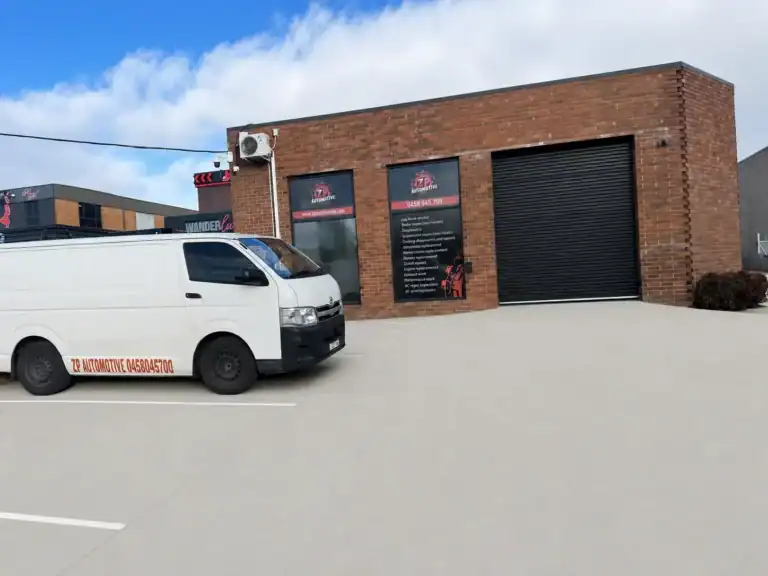
Volkswagen brake service is one of the most important checks you can do to keep your VW safe and reliable. Your brakes are the only thing between you and a collision, so when they start showing signs of wear or feel different, it’s time to get them inspected. At ZP Automotive in Mitchell, we specialise in Volkswagen brake diagnostics and servicing, using a thorough inspection process to catch issues early and explain exactly what needs to be done before we start any work.
When Do You Need Volkswagen Brake Service?
Volkswagen owners often notice brake problems in one of two ways: gradual changes over time, or a sudden warning sign that can’t be ignored. Knowing the difference between normal wear and a genuine safety concern helps you decide when to book in.
- Soft or spongy brake pedal that sinks further than it used to
- Brake warning light on your dashboard (red or amber)
- Squealing or grinding sounds when braking, especially when the car is cold
- Brake pad thickness wearing unevenly or faster than expected
- Vibration or pulsing through the brake pedal under heavy braking
- Longer stopping distances or a feeling that brakes lack bite
- Brake fluid discoloured or looks dark (indicates water absorption)
- Scheduled maintenance interval reached (check your logbook)
Some of these symptoms point to brake pad wear, which is normal maintenance. Others signal a deeper problem with the brake fluid system, calipers, or rotors that needs urgent attention. The key is not to guess. A proper inspection tells you exactly what’s happening and what the safety risk actually is.
How We Inspect and Service Volkswagen Brakes in Mitchell
Volkswagen brake systems follow a specific design and maintenance schedule. We approach every Volkswagen brake service with that in mind, checking the components that VW vehicles rely on and confirming that everything meets factory specifications.
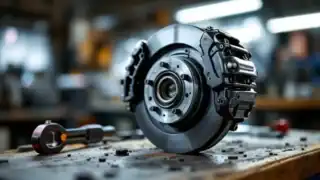
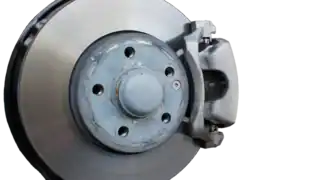
Our process starts with a visual inspection of both front and rear brake assemblies. We measure pad thickness, look for uneven wear patterns, and examine the condition of rotors for scoring or excessive wear. We also check the caliper pistons to make sure they’re moving freely and not seized, which is a common issue if a car sits unused for long periods or if brake fluid hasn’t been serviced regularly.
Next, we test the brake fluid itself. Volkswagen brake fluid absorbs moisture over time, which reduces its boiling point and compromises stopping power under heavy braking. If your fluid is dark or hasn’t been flushed according to your service schedule, we’ll recommend a fluid change. This is especially important if you tow a trailer or drive in hilly areas where brakes work harder.
We also check brake hose condition for cracks or swelling, inspect the master cylinder for leaks, and test brake line pressure if symptoms suggest a deeper issue. For VW models with ABS or electronic brake assist, we scan for fault codes that might not show an obvious warning light but still indicate a problem. This is where Volkswagen-specific diagnostics make a real difference – we’re not just looking at what you can see and feel.
Once we’ve completed the inspection, we show you what we’ve found and explain your options. If pad replacement is all that’s needed, we fit quality pads that match your VW’s spec and bed them in properly. If rotors are damaged or fluid needs flushing, we discuss cost and timing with you upfront. Nothing gets done until you’ve approved it.
What Affects Cost and How Long It Takes
Brake service timing and cost depend on several factors unique to your car and driving habits.
Brake pad wear varies depending on how you drive, the terrain you cover, and whether you’re using OEM Volkswagen pads or aftermarket replacements. A driver in hilly terrain or who brakes heavily will replace pads more often than someone on flat roads. Front pads typically wear faster than rear pads because they do more of the work, especially on older VW models.
Rotor condition changes the picture significantly. If rotors are still within thickness limits and haven’t developed deep scoring, we resurface them instead of replacing them, which costs less and preserves brake feel. If they’ve worn below the minimum thickness or are damaged, replacement is the only safe option. Volkswagen rotor specifications are precise, so we use parts that match your model’s requirements.
Brake fluid service adds time and cost but is not optional if your fluid is old or contaminated. A full fluid flush typically takes 1-2 hours and uses quality fluid that meets Volkswagen standards. We use Penrite brake fluid because it’s reliable and widely available in Australia, so you’re not stuck waiting for imported parts.
The labour time for a standard brake pad replacement is usually 1-2 hours depending on whether we’re doing front, rear, or both. If diagnostics reveal caliper issues, seized pistons, or master cylinder problems, the job takes longer and may require overnight parts sourcing. We always give you an honest estimate before we start, and we don’t add surprise charges.
Why Choose Our Workshop for Your Volkswagen Brake Service
You could take your VW to a dealership, but you’ll pay dealership labour rates and sit with a service adviser who has no idea what’s actually wrong until the work starts. We work differently.
Brendan, who runs the workshop, has over 10 years in the trade. You deal directly with the mechanic doing the work, not a sales script. We use quality parts and fluid – Penrite is our standard, not because it’s cheapest but because it works and lasts. When we fit brakes, they’re quiet, responsive, and bedded in properly. We don’t compromise on safety-critical work to hit a margin target.
Logbook servicing at an independent workshop like ours won’t void your Volkswagen warranty. As long as the work is done by a qualified mechanic using approved parts and methods, your coverage stays intact. That means you can get genuine, professional brake service without paying dealership prices.
We also handle other services that often link to brake health – air conditioning servicing, engine diagnostics, rego inspections for ACT. If your brake warning light is on but you’re not sure why, we can scan your system properly and explain what’s triggering it. That’s the kind of honest diagnosis that saves you money and keeps your car safe.
Book Your Volkswagen Brake Inspection in Mitchell
If you’ve noticed any of the symptoms above, or your last brake service was more than a year ago, call us or claim your free inspection. We’ll check your brakes thoroughly, show you what we find, and explain your options in plain language. If nothing needs doing right now, we’ll tell you that too. No upsell, no pressure, just honest advice about your car’s safety.