Volkswagen brake replacement is one of the most important safety services your vehicle needs. When your VW’s brake pads wear down or rotors become damaged, stopping power diminishes and stopping distances increase. In Mitchell, we see Volkswagens regularly – from Golf hatchbacks to Transporter vans – and brake condition is always front and centre in our inspections. The braking system on any VW is engineered with precision, and any wear or fault needs to be caught early and fixed properly to keep you and your passengers safe on the road.
What are the warning signs you need Volkswagen brake replacement?
Most drivers notice something is wrong before brakes fail completely. Listen and feel for these common signs:
- Squealing or squeaking noise when braking, especially in light rain or first thing in the morning
- A grinding sound under heavy braking, which usually means pads have worn past the friction material
- Soft or spongy brake pedal that travels further down than normal before resistance kicks in
- Brake pedal that feels hard to press or requires more effort than usual
- Vibration or pulsing through the pedal when braking, often a sign of warped rotors
- Red warning light on the dashboard (brake fluid level or pad wear sensor)
- Uneven braking – car pulls to one side during stops
On Volkswagens, the wear indicator system is fairly reliable. Your VW’s brake warning light will typically come on when pads are getting thin, so don’t ignore it. Even if you don’t see obvious symptoms, a brake inspection as part of your logbook service helps catch issues before they become expensive or unsafe.
How Volkswagen brake inspection and replacement works
We start by removing the wheels and visually assessing pad thickness, rotor surface condition, and fluid colour. On Volkswagens, we check the brake fluid type and condition – VW specifies particular DOT standards, and the fluid can degrade over time, losing its effectiveness and corrosion protection.
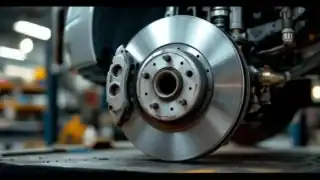
If pads are worn, we measure rotor thickness using a micrometer. Volkswagen rotors have minimum thickness specifications – if they’ve been machined or worn beyond that limit, they must be replaced, not turned. We also inspect brake hoses for cracks, check calliper condition, and examine the master cylinder for leaks or corrosion.
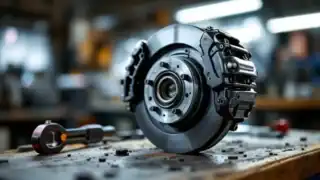
Once we’ve established what needs replacement, we remove the old pads and rotors, clean the calliper components, and fit new parts to OEM specification. We use quality friction materials matched to your VW’s brake system requirements – not the cheapest no-name pads that wear faster and often squeal. The new rotors are fitted true and straight, and we bleed and top up the brake fluid if needed. Finally, we bed in the new pads with a series of moderate braking cycles to establish proper friction and avoid early noise or dust.
Throughout the job, we’re also checking your brake fluid level, hose integrity, and calliper operation. If your brake fluid looks dark or hasn’t been changed recently, we’ll recommend a flush to restore braking feel and protect against internal corrosion – something that matters especially on older VWs.
What affects the cost and duration of your brake work
Several factors shape how long your Volkswagen brake replacement takes and what the final bill will be. The obvious one is whether you need pads only or pads and rotors. Sometimes just the front pads are worn; sometimes the rears need attention too. Rotors add time and cost but are essential if they’re scored, warped, or below minimum thickness.
Parts availability matters. We stock common VW brake components, so most jobs turn around quickly. If your VW is older or a less common model, sourcing the right parts might take a day or two. We’ll let you know upfront.
Labour time varies based on which brakes need work. Front pad replacement is straightforward on most VWs. Rear brake replacement can be more involved, especially if your model has a mechanical handbrake cable or integrated parking brake actuator. We don’t guess – we inspect first, explain what’s needed, and give you a clear picture of time and cost before we start.
We use quality parts and oils – Penrite fluid for your brake system and friction materials that match or exceed Volkswagen specification. This isn’t dealership pricing, but it’s not the cheapest bottom-shelf option either. You’re paying for parts that will last and brakes that feel responsive and safe, without the labour rates you’d see at a VW dealership.
Why Volkswagen owners in Mitchell choose us for brake work
We’ve been servicing vehicles for over 10 years, and brakes are one of our core strengths. You’re not handing your VW to a service advisor who’ll read from a script – you deal directly with the mechanic doing the work. That means honest, plain-English advice about what’s actually needed, what can wait, and what the repair will cost.
If your VW is under manufacturer warranty or in its logbook servicing period, we’re qualified and equipped to carry out brake work without affecting your cover. Your warranty stays intact. We also handle ACT rego inspections, so if your brakes are part of a pre-inspection safety check, we can cover that in one visit.
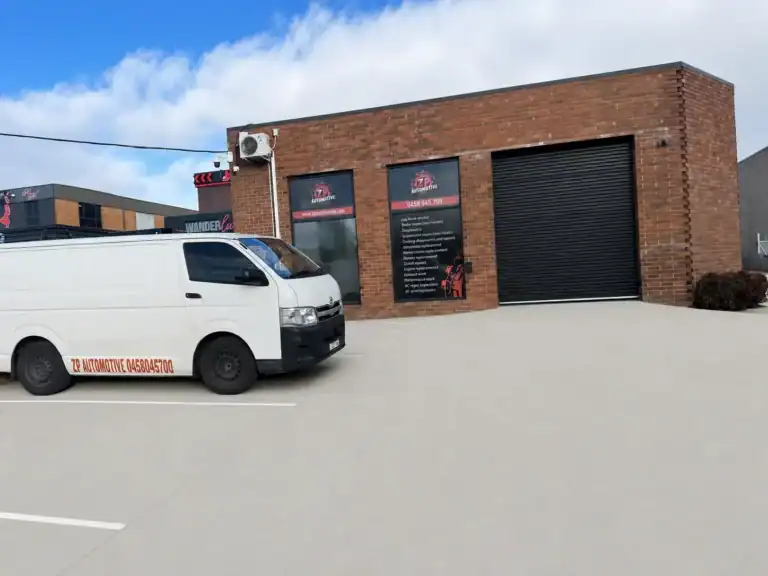
Our workshop is independent, family-run, and we compete with dealership service departments and large chain mechanics. We don’t have upsell scripts or inflated labour rates. You get fair, transparent pricing and honest advice because that’s how we work – and because we see the same VW owners in the Mitchell area month after month and want to keep them safe.
Book your Volkswagen brake inspection in Mitchell today
If you’ve noticed any brake symptoms, or your VW is due for a service check, Call & Book Now or Claim Your Free Inspection online. We’ll get your VW on the ramp, assess what’s needed, and give you a clear plan before we touch anything. Safe brakes aren’t optional – they’re essential.