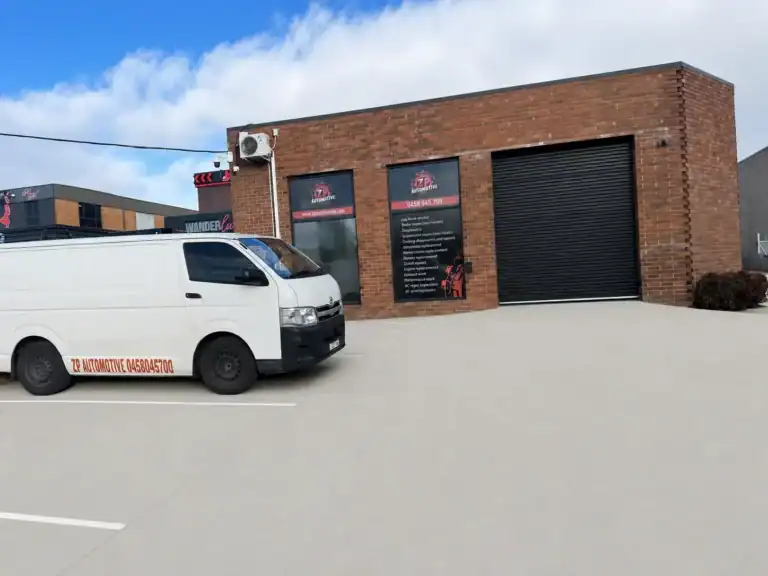
Land Rover brake replacement is one of the most important safety services you’ll perform on your vehicle. When your brakes wear down, your ability to stop safely is directly compromised. Whether you’re driving a Defender, Discovery, or Range Rover, understanding when replacement is needed and what happens during the service can save you stress and help you avoid a dangerous failure on the road. At ZP Automotive in Mitchell, we see Land Rover brake replacement requests regularly, and we’ve learned the specific patterns and issues that affect different models in our service area.
When Do You Need Land Rover Brake Pad and Rotor Replacement?
Most Land Rover owners notice brake issues through one of several clear warning signs. Listen for a high-pitched squealing sound when braking, particularly during light stops. This noise comes from a wear indicator built into Land Rover brake pads, and it’s your signal that replacement is overdue. Grinding or scraping sounds mean metal is already contacting metal, indicating rotors have suffered damage and must be replaced alongside the pads.
Beyond noise, pay attention to how your brakes feel. If the brake pedal requires more pressure than usual to stop, or if it feels soft or spongy, there’s air in the brake line or fluid degradation. A pulsating sensation through the pedal suggests your rotors have become warped or unevenly worn. Some Land Rover drivers experience a pulling sensation when braking, where the vehicle drifts to one side instead of stopping straight, which indicates uneven pad wear or a seized caliper.
Visible signs matter too. Inspect your wheels and look at the brake pads through the wheel spokes. If the pad thickness is less than a quarter inch, replacement is needed soon. Discolouration on the rotor surface, rust patches, or a glazed appearance all warrant professional inspection. In Mitchell’s climate and with the varied terrain many Land Rover owners tackle, brake wear can be unpredictable, so regular checks are worthwhile.
Land Rover Brake System Diagnostics and What We Inspect
When you bring your Land Rover in for brake work, we start with a thorough inspection. Land Rover vehicles use a dual-circuit brake system with front disc brakes and rear disc or drum brakes depending on model. We inspect the condition of all pads and rotors, measure rotor thickness to determine if they’re within OEM specifications, and check caliper operation on each wheel.
We examine your brake fluid condition and level. Land Rover brake fluid absorbs moisture over time, which reduces its boiling point and can cause brake fade under heavy use. If fluid is discoloured or hasn’t been flushed within the manufacturer’s recommended interval, a fluid change often accompanies brake replacement. We also test your brake hoses for cracks or deterioration and confirm all wheel cylinders or calipers are functioning properly.
For Land Rover vehicles, we pay particular attention to model-specific issues. Defender models sometimes experience uneven rear brake wear, Discovery and Range Rover models may show caliper sticking, and older vehicles can develop moisture in the braking system due to their age and exposure. Our diagnostic approach targets these known patterns, ensuring nothing is missed and your braking system meets safety standards before you leave our workshop.
Land Rover Brake Replacement Process and Parts Quality
The actual replacement process depends on which brakes need work. Front brake pad replacement involves removing the wheel, unbolting the caliper, sliding out the old pads, and installing new ones. If rotors are worn beyond the minimum thickness specification or damaged, we remove them and fit new units. We always clean and lightly lubricate caliper slides and hardware to prevent noise and ensure smooth operation.
Rear brake work varies by model. Vehicles with rear discs follow a similar process to front brakes. Models with rear drums require a different approach, removing the drum and inspecting the shoes, wheel cylinder, and springs. This distinction matters because Land Rover’s mixed brake design means we can’t treat all models identically, and understanding your specific vehicle configuration is essential to getting the job right.
We use quality replacement parts that meet Land Rover specifications. Penrite and Rico are brands we trust for reliable performance and durability. OEM-equivalent pads and rotors are matched to your specific Land Rover model to ensure proper fitment and braking characteristics. We don’t use budget no-name stock that cuts corners on friction material or rotor composition. Your brakes are safety-critical, and we source parts accordingly.
What Affects Cost and Turnaround Time for Land Rover Brake Work
Several factors influence both the time and cost of Land Rover brake replacement. The extent of damage matters significantly: replacing pads alone is faster and less expensive than replacing pads and rotors. If calipers or brake hoses need attention, work time increases. Parts availability can affect scheduling, particularly if you own an older or less common Land Rover model, though we maintain good stock of common components for Mitchell-area vehicles.
Labour time depends on whether we’re working on front, rear, or all four wheels, and whether fluid flushing or other ancillary work is recommended. A straightforward front pad and rotor replacement typically takes several hours. Rear work, fluid flushes, or caliper rebuilds add time. We explain what’s needed and give you a realistic picture before work begins, so no surprises reach your invoice.
Why Land Rover Owners in Mitchell Choose ZP Automotive
You’re dealing directly with the mechanic doing your brake work, not a service advisor reading from a script. We explain what’s actually wrong with your brakes, what needs to happen now, and what can wait. Our pricing is transparent and fair, without dealership labour rates or hidden charges.
With over 10 years in the trade, we’ve seen the common brake failures across Land Rover’s model range. We’re owner-operated and family-run, which means we take pride in quality work and honest advice. We use Penrite and quality equivalent parts because your brakes are safety-critical, not a place to save a few dollars with cheap stock.
If you’re running a logbook service on a newer Land Rover, brake replacement through ZP Automotive keeps your manufacturer warranty intact. We follow Land Rover service schedules and use parts that meet OEM specifications, so your warranty protection remains valid. We also handle air conditioning servicing, engine diagnostics, wrong-fuel recovery, and vehicle lockout assistance, making us a one-stop shop for your Land Rover’s needs in Mitchell.
Book Your Land Rover Brake Replacement in Mitchell Today
If you’ve noticed any brake symptoms or simply want a professional inspection, Call & Book Now to arrange your free brake check. We’ll get your Land Rover’s braking system sorted safely and affordably. Alternatively, Claim Your Free Inspection online, and we’ll contact you to confirm a time that suits your schedule.