Toyota brake repair is one of the most important services you can prioritise for your vehicle’s safety and reliability. Your brakes are what stand between you and an accident, so when they start to show signs of wear, getting them inspected and repaired promptly makes the difference between a smooth, confident drive and a potentially dangerous situation. At our Mitchell workshop, we see Toyota brake issues regularly, and we know exactly what to look for across Toyota’s common models.
How to Tell Your Toyota Brakes Need Attention
Most Toyota owners notice brake problems through warning signs that shouldn’t be ignored. The most obvious is a soft or spongy brake pedal that requires more pressure than usual to stop the car. You might also hear a squealing or grinding noise when you brake, especially during light stops. Some Toyotas will trigger a brake warning light on the dashboard, either a small light that stays on or one that flickers intermittently.
Longer stopping distances are another red flag. If your car takes noticeably longer to come to a complete stop compared to before, that’s a sign the brake pads or rotors have deteriorated. You might also feel vibration or pulsing through the brake pedal when braking, which usually indicates warped rotors or uneven pad wear.
- Squealing or grinding sounds when braking
- Soft, spongy, or low brake pedal
- Brake warning light on the dashboard
- Longer stopping distances than normal
- Vibration or pulsing through the pedal
- Brake fluid leaking under the vehicle
What We Check During a Toyota Brake Inspection
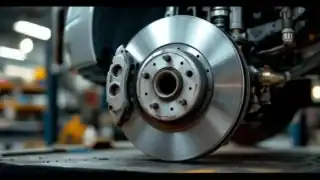
Toyota brake repair starts with a thorough inspection. We lift the vehicle safely and remove the wheels to examine the brake pads, rotors, and calipers. We measure pad thickness against Toyota’s OEM specifications and check rotor condition for scoring, warping, or rust. We also inspect the brake fluid for contamination and check its colour and level in the master cylinder.
For Toyota models, we follow the manufacturer’s service intervals and diagnostic procedures. Toyotas are generally reliable vehicles with solid brake systems, but certain model years are prone to specific issues. For example, some Corolla and Camry variants experience premature rotor wear if brake fluid isn’t changed at recommended intervals. We check your vehicle’s service history and model year to anticipate these patterns.
If the warning light is on, we use appropriate diagnostic tools to read the fault code and determine whether it’s a brake pad wear sensor, a pressure issue, or something more serious. This step prevents unnecessary parts replacement and saves you money.
Toyota Brake Repair and Replacement Options
Once we’ve identified the problem, we’ll explain exactly what needs to be done. If pads are worn, we replace them with quality equivalent parts that meet Toyota’s specifications. If rotors are damaged, we replace them rather than turn them, which gives you better braking performance and longevity. We use brake fluid that meets Toyota’s DOT standard and top up the system as needed.
For Toyota brake booster repair or replacement, which is less common but can happen on older models, we source OEM-equivalent components and test the system thoroughly before returning the vehicle. If the issue is a leaking caliper, we replace it rather than repair it, because a failed seal typically means the caliper will fail again within months.
We don’t cut corners with brake components. Quality parts matter here because your safety depends on it. We use reputable brands that meet or exceed Toyota’s standards, not budget no-name stock.
What Affects Cost and Turnaround Time
Toyota brake repair costs vary depending on what’s actually wrong. A simple brake pad replacement is more affordable than a job that includes rotors, calipers, or brake lines. Parts availability can affect timing too, though most Toyota brake components are readily stocked or available next day. If you need a specific OEM part for an older or less common Toyota model, it might take a bit longer.
The severity of the problem also matters. A vehicle that’s been driven with worn pads for too long might have rotor damage that wouldn’t be needed if the pads had been replaced sooner. We’ll always tell you upfront what’s needed and what the repair will cost, with no surprises or unexpected charges added after the work starts.
Why Choose ZP Automotive for Your Toyota Brake Service in Mitchell
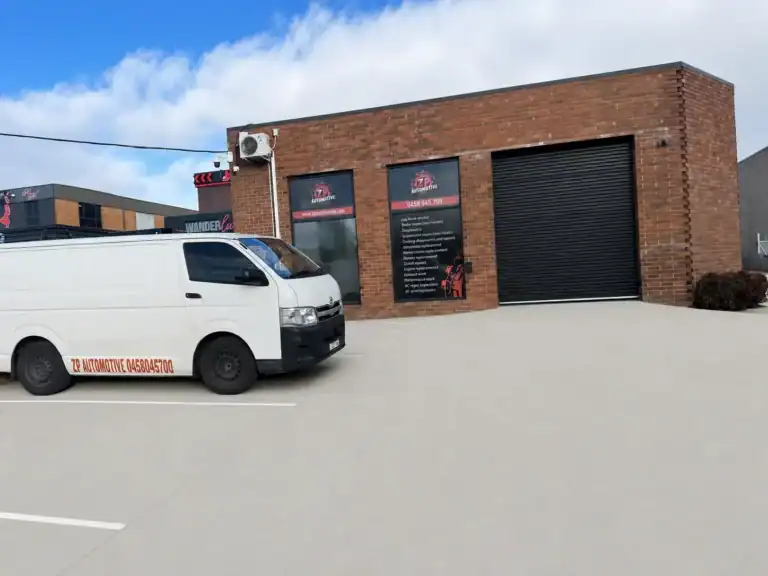
We’re an independent, owner-operated workshop with over 10 years in the trade. We don’t work on commission and we’re not trying to sell you services you don’t need. When you come in with a brake issue, you deal directly with the mechanic doing the work, not a service advisor reading from a script. That means honest, plain-English advice about what’s wrong, what it’ll cost, and what can wait.
We use quality parts and fluids like Penrite, not the cheapest no-name stock. Our labour rates are fair and transparent, without the dealership markups you’d pay elsewhere. We’re also experienced with logbook servicing, so if your Toyota is still under warranty, we can perform brake repairs in a way that keeps that warranty intact. Our customers have left us a 5.0 star rating on verified reviews because we stand behind the work we do.
Beyond brake repair, we handle wrong-fuel recovery, vehicle lockout and roadside assistance, air conditioning servicing, engine diagnostics, ACT rego inspections, and logbook servicing across all Toyota models. Whether you’re in Mitchell or the surrounding area, you’re dealing with the same owner-mechanic who’s been doing this work for a decade.
Book Your Toyota Brake Inspection in Mitchell
If you’ve noticed any of the warning signs above, don’t delay. Brakes are too important to guess about. Call & Book Now to arrange your Toyota brake inspection, or Claim Your Free Inspection online. We’ll get your Toyota checked, tell you exactly what’s needed, and get you back on the road safely.