Brake repair for Australian vehicles requires more than a quick pad swap. When your brakes aren’t performing as they should, safety depends on a thorough inspection and repair done right. At our Mitchell workshop, we specialise in Australian Vehicles brake repair, from diagnosing why your pedal feels soft or your brakes are pulling to one side, through to replacing worn pads, resurfacing rotors, and fixing brake fluid leaks. Whether it’s a simple pad replacement or a more complex brake booster or master cylinder issue, we inspect your entire braking system to identify the real problem and explain what needs fixing.
Common Warning Signs Your Brakes Need Attention
Most drivers don’t notice brake wear until something feels wrong. Knowing what to listen and feel for means you can catch problems early, before they become safety risks or more expensive repairs.
- Soft or spongy brake pedal: Your pedal sinks toward the floor when you press it, or feels like it has no resistance. Usually points to air in the brake lines or a fluid leak.
- Grinding or metallic noise when braking: A high-pitched squeal or grinding sound during braking means your pads are worn through to the metal rotor underneath.
- Brake pedal pulses or vibrates: You feel a pulsing through the pedal when you brake, especially under heavy braking. Often caused by uneven rotor wear or a stuck calliper.
- Vehicle pulling to one side under braking: Your car drifts left or right when you apply the brakes. Could be uneven pad wear, a seized calliper, or a brake fluid contamination issue.
- Longer stopping distances: Your car takes noticeably longer to slow down or stop than it used to. This is a safety concern and needs immediate inspection.
- Brake warning light on the dashboard: Your brake fluid level is low, brake pads are worn, or there’s an issue with the ABS system. Don’t ignore it.
How We Diagnose and Repair Australian Vehicles Brakes
Australian vehicles, whether you’re driving a Ford, Holden, or another locally common brand, have specific brake specifications and wear patterns we’ve learned to spot. We start by getting you to describe what you’re experiencing, then we get under the car to see what’s actually happening.
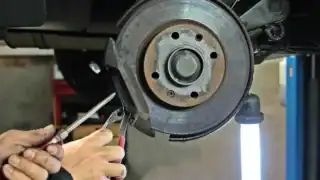
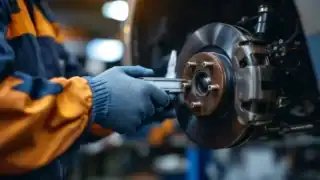
Our brake inspection covers the full system. We measure pad thickness with precision gauges to see how much life is left. We check rotor surface condition and run a dial gauge to measure rotor runout (warping), which tells us whether the rotor can be resurfaced or needs replacement. We inspect the calliper pistons for even piston extension and check for fluid leaks around the seals. We measure brake fluid condition and test its boiling point to see if it’s absorbed moisture over time. We also check the brake hoses for cracks or soft spots, inspect the master cylinder for leaks, and test the brake booster by listening for a hiss when you press the pedal.
Once we know what’s wrong, we explain it to you in plain terms. If your pads are worn but your rotors are still within spec, we’ll replace the pads and machine or replace the rotors as needed. If your brake fluid is contaminated, we’ll flush the system and refill with quality fluid that meets your vehicle’s specification. If there’s a leak, we find the source and seal or replace the faulty component. We use quality parts and fluids like Penrite, not no-name stock, because your brakes are not the place to save a few dollars.
What Affects Australian Vehicles Brake Repair Cost and Timeframe
Several factors influence how much your brake repair will cost and how long it takes. The extent of wear is the biggest one. A simple pad replacement with rotor resurfacing is usually faster and less costly than replacing pads, rotors, and calipers all at once. Parts availability matters too. We keep common brake pads and rotors in stock for Australian vehicles, so most jobs stay on schedule. If you need a specialised brake component or OEM part that we don’t have on hand, we’ll source it and give you a timeframe upfront.
The severity of the problem also plays a role. If a calliper is stuck or the master cylinder is failing, the repair becomes more involved than a straightforward pad change. The vehicle type matters as well. A light car usually requires less brake component replacement than a heavier ute or van, simply because the braking demand is different. We discuss all of this with you before we start, so you understand what the repair will cost and why.
Why Choose Us for Your Brake Repair in Mitchell
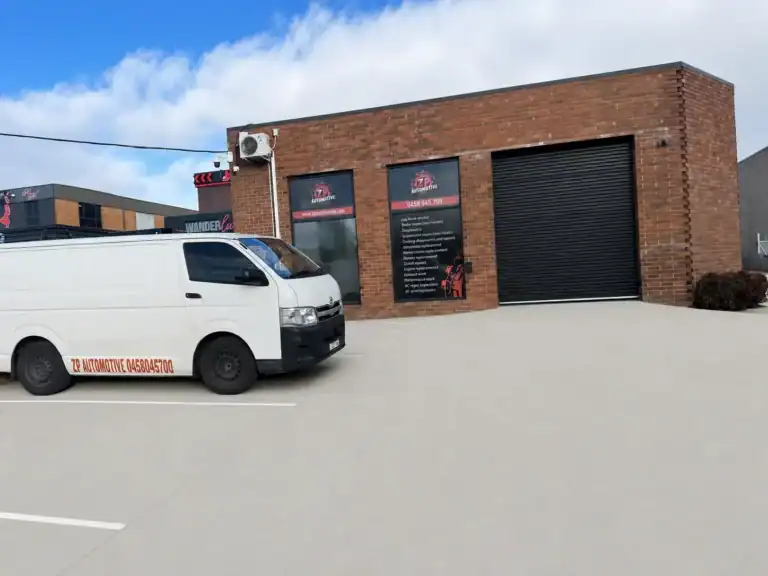
You’re dealing directly with the mechanic doing the work, not a service advisor reading from a script. Brendan has over 10 years in the trade, and this workshop is family-run and independent. We’re not a dealership trying to upsell you into extras you don’t need, and we’re not a fast-fit chain with pressure to turn cars around in 30 minutes. We take the time to inspect properly, explain honestly, and recommend only what your brakes actually need.
Our pricing is fair and transparent. We don’t match dealership labour rates, but we also don’t cut corners with cheap parts. We use quality brands like Penrite because we trust them, and your brakes deserve that standard. You’ll know exactly what the repair will cost before we start, with no hidden fees or surprise charges. If something comes up during the job that we didn’t anticipate, we’ll call you and explain it before proceeding.
We also handle logbook servicing, ACT rego inspections, engine diagnostics, and roadside assistance. If you’re looking for an independent workshop you can trust with safety-critical work, we’re here in Mitchell and ready to help.
Next Steps for Your Brake Repair
If your brakes are showing any of the warning signs above, don’t wait. Call & Book Now for your free brake inspection, or Claim Your Free Inspection online. We’ll get you in, have a look at what’s happening, and give you an honest assessment of what needs fixing and when.