Brake problems on a Holden aren’t something to ignore. Whether you’re hearing a squeal, feeling a soft pedal, or noticing the brake warning light on your dashboard, professional inspection is the only way to know what’s actually wrong and whether it’s safe to drive. Holden brake repair in Mitchell requires understanding how your specific model’s braking system is engineered, what parts wear predictably, and how to diagnose issues before they become dangerous. We see Holden brakes regularly at our workshop, and we know the common failure patterns, the parts that hold up, and exactly what needs replacing versus what can wait.
When Do You Need Holden Brake Repair?
The warning signs are straightforward, but easy to misread if you’re not sure what you’re listening for. Some symptoms are urgent; others are early signs that repair is coming soon.
- Squealing or squeaking when you brake, especially in wet weather or after the car has been parked overnight. This often points to brake pad wear indicators or glazed rotors, though sometimes it’s just moisture.
- Grinding noise under braking. This usually means brake pads have worn past their friction material and metal is now grinding on the rotor. Stop driving immediately and get it inspected.
- A soft or spongy brake pedal that requires more pressure than usual to slow the car. This can signal air in the brake lines, low fluid, or internal seal failure in the master cylinder or calipers.
- The brake pedal goes to the floor with little or no resistance. Do not drive the car; this is a complete brake system failure.
- Brake warning light on the dashboard. On Holden models, this usually means low fluid level or a fault detected in the ABS or brake pressure sensor.
- Uneven braking or pulling to one side when you apply the brakes. This suggests a stuck caliper, uneven pad wear, or a hydraulic fault on one side of the system.
- Vibration or pulsing through the pedal when braking hard. Often a sign of warped rotors or uneven pad contact.
Even if you don’t notice obvious symptoms, your Holden’s service schedule includes brake inspection intervals. Following Holden’s logbook maintenance keeps your brakes checked regularly and protects your warranty.
What Happens During a Holden Brake Repair Inspection
We don’t replace parts on guesswork. When you bring your Holden in for brake repair, we start with a thorough inspection that covers the entire system.
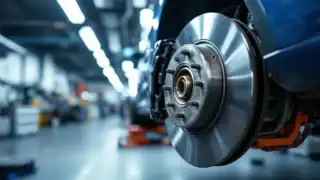
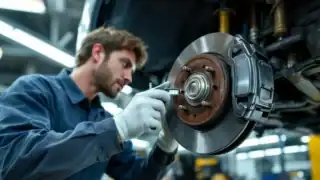
We measure your brake pads for thickness against Holden’s specifications and wear limits. We inspect the rotors for thickness, surface condition, and runout (warping). We check brake fluid colour and level, and test its boiling point with a moisture metre to confirm it hasn’t absorbed water and lost effectiveness. We inspect all brake hoses for cracks, leaks, or swelling. On Holden models with ABS, we scan the system for fault codes and test sensor operation. We also inspect the brake calipers for seal leaks, piston movement, and even pad wear across both sides.
Once we’ve finished the inspection, we explain exactly what we found, what needs doing now, and what’s still in good condition. You’ll know the cost and what’s involved before we start any work.
What Affects Cost and Turnaround Time for Brake Repair
Several variables shape the final cost and how long your car spends in the workshop.
Parts needed. A simple brake pad replacement costs less and takes less time than replacing pads, rotors, and calipers on multiple wheels. We use quality parts like Rico and equivalent OEM-spec components that won’t let you down, rather than the cheapest no-name stock that might wear twice as fast. Genuine Holden parts are available, though equivalent aftermarket parts often offer better value without compromising safety or durability.
How many wheels are affected. If one caliper has seized and the others are healthy, you’ll pay less than if all four wheels have worn unevenly and need balancing.
Whether rotors can be resurfaced or need replacement. If rotor thickness is still within Holden’s limits, we can sometimes resurface them for less cost. If they’re too thin, replacement is the only safe option.
Brake fluid condition. If your brake fluid is old and has absorbed moisture, a full fluid change is required to restore safety and performance. This takes longer than a pad-only job.
We don’t rush brake work. If your repair needs a few days because parts need ordering or because we’re working through inspection findings, we’ll be upfront about it.
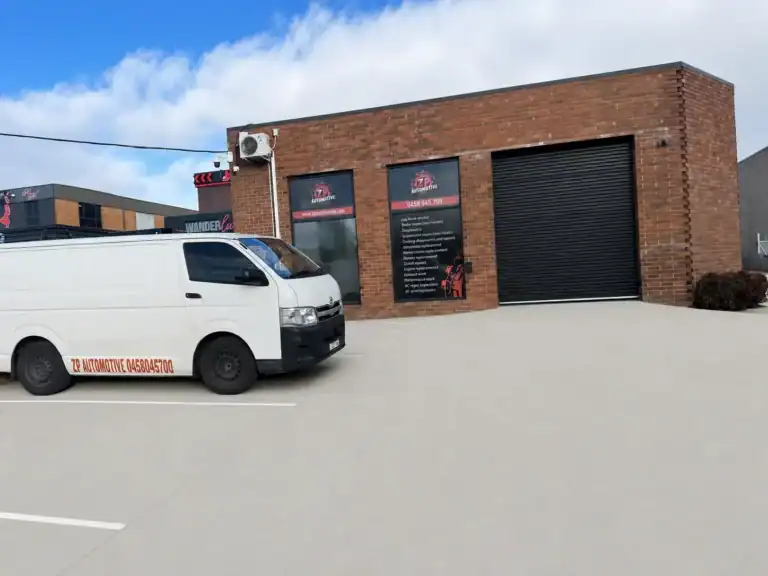
Why Choose ZP Automotive for Your Holden Brake Repair in Mitchell
You could book into a dealership service department or a large franchise chain, but you’ll pay higher labour rates and deal with a service advisor rather than the mechanic actually doing the work. With us, you speak directly to the person inspecting and repairing your brakes. We’re owner-operated, family-run, and we’ve been doing this work for over a decade.
We explain what’s wrong in plain language, what it’ll cost, and whether anything can wait. We use quality parts and oils from brands like Penrite and Rico that we trust. We don’t follow upsell scripts. Holden brake repair with us means fair, transparent pricing without dealership markups, and the confidence that comes from knowing the mechanic doing the work cares about your safety and won’t recommend parts you don’t actually need.
Holden logbook servicing done here keeps your manufacturer warranty intact, whether your car is new or a few years old. If your Holden’s service schedule includes brake inspection, we’ll do that as part of your regular maintenance and flag anything that needs attention before it becomes a safety issue.
Book Your Holden Brake Inspection Today
If you’ve noticed any of the symptoms above, or your Holden is due for its scheduled brake check, call and book now or claim your free inspection online. We’ll get your car on the hoist, do a proper diagnosis, and tell you what’s needed to keep your brakes safe and reliable for drivers in Mitchell and the surrounding areas.