Audi brake repair is one of those services that sits at the intersection of safety and precision engineering. Audi vehicles rely on sophisticated brake systems designed to deliver consistent stopping power and feedback, whether you’re driving in Canberra traffic or heading out to the ranges. When your brakes aren’t performing as they should, getting them diagnosed and repaired quickly matters. We see Audi brake issues regularly at our Mitchell workshop, and we understand what makes them different from other vehicle brands.
Common Signs Your Audi Needs Brake Repair
Brake problems rarely announce themselves with a single obvious symptom. Instead, they build gradually, and recognising early warning signs can save you money and keep you safe on the road.
- Soft or spongy brake pedal that feels like it’s sinking lower than usual
- Brake pedal that requires more pressure than normal to stop the vehicle
- Grinding or metallic squealing noises when braking, especially noticeable when stopping from higher speeds
- Uneven braking or the vehicle pulling to one side when you apply the brakes
- Vibration or pulsation through the pedal when decelerating
- Dashboard warning light related to the brake system or ABS staying illuminated
Any of these signs warrants a professional inspection. Audi vehicles often have electronic brake distribution systems that work in tandem with traditional hydraulic components, so diagnosing the actual fault requires methodical testing rather than guesswork.
What We Check When You Bring Your Audi In
Brake repair on an Audi isn’t a one-size-fits-all job. We start with a thorough inspection that looks at multiple components and systems working together.
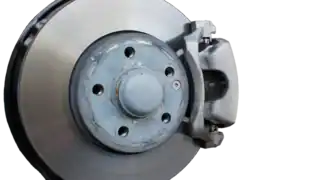
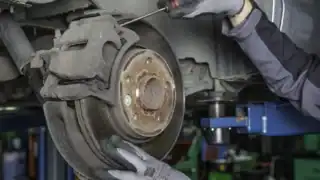
Visual inspection of pads, rotors, and calipers: We remove the wheels and examine how much brake pad material remains, whether the discs show scoring or uneven wear, and whether the calipers are moving freely. Audi brake pads are often designed to work within specific thickness ranges, and we check against your vehicle’s specifications.
Brake fluid condition: Audi’s brake systems use hygroscopic fluid that absorbs moisture over time. We test the fluid’s boiling point and water content. Old or contaminated fluid compromises braking performance and can corrode internal brake components, so this check matters.
Brake booster and master cylinder function: Audi vehicles rely on vacuum-assisted braking to reduce the pedal pressure you need to apply. We test how effectively the booster is working and check the master cylinder for internal leaks that might cause a soft pedal.
ABS and brake assist diagnostics: Audi’s electronic brake systems integrate multiple safety features. We connect our diagnostic tools to read fault codes, test sensor operation, and verify that the electronic control module is communicating properly with all brake components.
Brake hose inspection: Hoses degrade over time and can develop internal blockages or external cracks. We check the condition of all hoses and replace any that show signs of wear.
Parts and Materials We Use for Audi Brake Work
When it comes to Audi brake repair, parts quality directly affects how your car stops. We source replacement components that match your vehicle’s engineering specs rather than reaching for the cheapest option on the shelf.
We use quality brake pads and discs that meet Audi’s original equipment standards. If you’re replacing pads, we choose materials matched to your driving style and model. We also use Penrite brake fluid that meets ATE (Audi-specified) standards, ensuring hydraulic compatibility and boiling point performance.
For calipers, hoses, and seals, we favour genuine or genuine-equivalent replacements. Counterfeit or substandard brake components compromise the precision that Audi’s system design depends on, so we don’t cut corners here.
What Affects Cost and Turnaround Time
Several factors influence how much brake repair costs and how long the job takes. Being upfront about these helps you understand what you’re paying for.
Extent of damage: A simple pad and rotor replacement takes fewer hours than a full brake overhaul involving master cylinder, booster, or hose replacement. We don’t know the scope until we inspect the vehicle.
Parts availability: Most common Audi brake components are readily available locally. Occasionally, specialised parts take longer to source, and we’ll let you know before we order.
System complexity: Audi’s electronic brake assist and ABS integration means diagnostics take longer on some models than others. We factor that into our time estimate.
Your choice of parts: We offer both original-specification and quality aftermarket options. The difference in cost is real, and we explain it clearly so you can decide what suits your budget and vehicle’s needs.
We’re transparent about pricing from the start. You’ll know exactly what needs doing, what it’ll cost, and what timeframe to expect before we start work.
Why Choose ZP Automotive in Mitchell for Audi Brake Repair
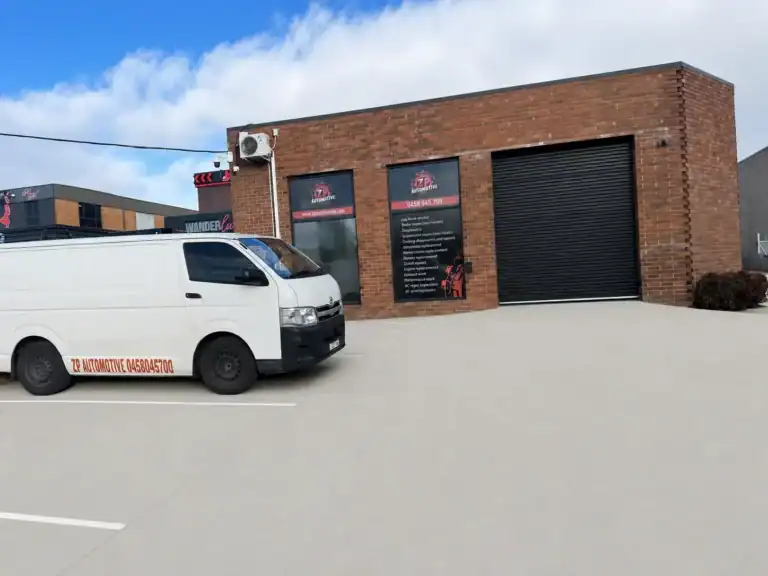
You could take your Audi to a dealership service department, but you’d pay dealership labour rates for work that we handle just as competently at a fairer price. We’re an independent workshop with 10 years of hands-on experience in the trade, and we specialise in jobs like brake repair and diagnostics that dealerships often use to pad billable hours.
When you book an Audi brake inspection with us, you deal directly with the mechanic doing the work. There’s no service advisor or upsell script. We explain what we find in plain English, tell you what it’ll cost, and let you decide what to fix now and what can wait. If you choose to do the work, we use quality parts and get the job done properly without rushing.
We’re family-run and owner-operated. Brendan has been doing this work long enough to know what actually matters and what doesn’t. Your car’s safety is our priority, not padding the invoice.
Book Your Audi Brake Inspection in Mitchell
If you’ve noticed any brake symptoms or it’s been a while since your last brake inspection, don’t wait. Call & Book Now or Claim Your Free Inspection online. We’ll get your Audi sorted quickly so you can get back on the road with confidence.