Owner-Operated Workshop
Quality Parts & Oils
5.0★ Rating
Transparent Pricing

5.0 (Verified Reviews)

Trusted Japanese Vehicles Clutch Specialists In Mitchell

Clutch problems affect your driving safety. We diagnose and repair Japanese vehicle clutches in Mitchell with transparent pricing and expert care.

Honest Advice

Quality Parts

5.0★ Rating

Japanese Clutch Specialists

Claim Your Free Check

Fill in the form and we'll get back to you promptly — no obligation.

Booking Form
  • Vehicle Details
  • Confirm Vehicle
  • Services
  • Contact Details
No Upsell Scripts
Quality Parts Used
Plain-English Advice

Why Book With Us

Claim Your Free Inspection
Drop Off Your Car
We Get to Work
Back on the Road

A worn clutch can leave you stranded or make every drive feel like a battle with the gears. Whether your Japanese vehicle is a Toyota, Honda, Nissan, Mazda, or Subaru, the clutch is a critical part of getting power from the engine to the wheels — and when it starts to slip, fade, or grab, you’ll feel it immediately. Japanese vehicles clutch specialists in Mitchell know these cars inside out. We diagnose and repair clutch issues that affect Japanese imports, keeping your vehicle reliable and your driving smooth.

Signs Your Japanese Vehicle Needs Clutch Work

Clutch problems rarely surprise you. Most drivers notice warning signs well before the clutch fails completely. Pay attention to these symptoms:

  • Clutch pedal feels spongy, soft, or travels too far before engaging
  • Difficulty shifting gears, especially into reverse or first gear
  • Grinding or squealing noises when you press the clutch pedal
  • Burning smell during or after driving, particularly when pulling away from a stop
  • Clutch slipping under load — engine revs but the car doesn’t accelerate as expected
  • Juddering or shuddering when engaging the clutch from a standstill
  • Clutch pedal sticks down or doesn’t return fully

Some of these symptoms point to the clutch disc itself wearing out. Others indicate hydraulic issues — a leak in the master or slave cylinder, air in the line, or low fluid. Japanese vehicles often use sealed clutch systems, which means a leak typically requires a full replacement rather than a simple top-up. The sooner you get a diagnosis, the sooner we can stop a small issue from becoming an expensive breakdown.

How We Diagnose and Repair Japanese Vehicle Clutch Problems

Japanese vehicles clutch specialists start with a thorough inspection. We listen to how the clutch engages, feel the pedal feedback, and check for leaks or damage. Many Japanese models — especially Subarus and Mazdas — have specific hydraulic layouts and cable arrangements that differ from European or American vehicles. We know these systems well.

If hydraulic failure is suspected, we test fluid pressure, look for leaks at the master cylinder, slave cylinder, and throughout the line, and check the fluid colour and condition. Old or contaminated fluid is often the culprit, and a full system flush and bleed can restore normal pedal feel without a full clutch replacement.

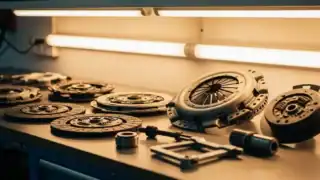
If the clutch disc is worn, we remove the gearbox to access it — a labour-intensive job that requires precision. At that point, we inspect the pressure plate, flywheel, and release bearing. On many Japanese vehicles, especially higher-mileage examples, it’s smart to replace the entire clutch assembly (disc, pressure plate, and release bearing) while the gearbox is out. This prevents you from having the same repair done twice in quick succession.

We use quality replacement parts aligned to your vehicle’s OEM specification. For Japanese imports, this means parts that fit the exact tolerances and engagement characteristics Toyota, Honda, Nissan, and other manufacturers engineered into their transmissions. Cheap aftermarket clutches often feel grabby or fade quickly — you’ll notice the difference within weeks.

What Affects Cost and How Long It Takes

Clutch work on Japanese vehicles ranges widely depending on what’s actually wrong. A clutch system bleed or fluid replacement takes a few hours. A full clutch replacement, including gearbox removal and reassembly, typically takes a day or more. The exact time depends on your vehicle’s design — some Japanese models have easier access than others.

Parts availability also matters. Genuine or OEM-equivalent parts for popular Japanese vehicles like Toyota Corollas and Honda Civics are usually in stock or arrive quickly. Rarer models may take longer. We’ll tell you upfront what we’re sourcing and how long to expect.

The cost conversation is straightforward: labour for a full clutch replacement is significant because the gearbox must come out. Parts — especially if you choose quality OEM-spec components — add to the bill. But a cheap repair now often leads to a repeat job within months. We price fairly without dealership labour rates, and we explain what’s necessary versus what can wait.

Why Choose ZP Automotive for Your Japanese Vehicle Clutch Repair in Mitchell

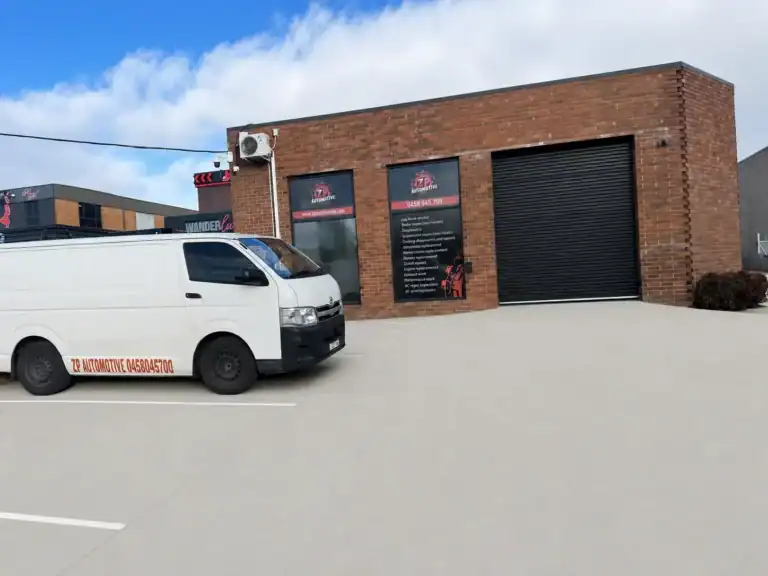
We’re an independent workshop in Mitchell run by Brendan, who’s spent over 10 years working on vehicles. We specialise in Japanese imports because we understand their systems — the hydraulic setups, the cable arrangements, the specific wear patterns you see in the Australian climate. You deal directly with the mechanic doing the work, not a service adviser following a script.

We use quality parts — Penrite and Rico fluids, OEM-spec clutch assemblies — because your car deserves better than no-name stock from a discount bin. We explain what’s wrong, what it costs, and what can wait. No pressure, no upsell, no surprise bills.

Logbook servicing on your Japanese vehicle stays intact after we service it — your manufacturer warranty is protected. We handle brakes, diagnostics, air conditioning, rego inspections, and other work Japanese vehicles need to stay reliable. If you’re in Mitchell or nearby, you’ve got a mechanic who knows your car.

Ready to Fix Your Clutch

If your Japanese vehicle’s clutch is showing signs of wear or you want a professional inspection, Call & Book Now or Claim Your Free Inspection online. We’ll get you in, diagnose the issue, and give you honest advice on what needs to happen next.
Other Services

Whatever your needs we have you covered, see some similar services below or click "See All Services" to explore our full service offering.

Honest Mechanics, Fair Prices in Mitchell

Owner-operated and family-run, we give you straight answers, quality parts, and fair pricing without the dealership markup or the upsell scripts.

You Deal With the Mechanic

Talk directly to the owner — no service advisors, no middlemen, no upsell pressure.

Quality Parts, Honest Pricing

Bring your vehicle in and we’ll assess what’s needed before any work begins.

Japanese Clutch Expertise

We repair clutch issues specific to Japanese drivetrains with precision and care.

How Japanese Vehicle Clutch Repair Works

From diagnosis through to collection, we handle your clutch repair professionally from start to finish.

Step 1

Claim Your Free Inspection

Claim your free inspection to diagnose your clutch issue and get a clear picture of what's needed.

Step 2

Clutch System Diagnosis

We test clutch engagement, measure plate wear using manufacturer specs, and identify the root cause.

Step 3

Clutch Replacement & Adjustment

We replace worn plates, resurface the pressure plate, and adjust to OEM specifications for your vehicle.

Step 4

Test & Collection

After a full test drive to verify smooth engagement, your vehicle is ready to collect and drive home.

What Our Customers Say

5.0 (Verified Reviews)

Quality Parts From Trusted Suppliers

We use quality oils and parts from reputable suppliers — including Penrite and Rico — because what goes into your car matters as much as the work itself.

Claim Your Free Check

Fill in the form and we'll get back to you promptly — no obligation.

Booking Form
  • Vehicle Details
  • Confirm Vehicle
  • Services
  • Contact Details
No Upsell Scripts
Quality Parts Used
Plain-English Advice

Why Book With Us

Claim Your Free Inspection
Drop Off Your Car
We Get to Work
Back on the Road

Got Questions? We Have Answers

Browse the common questions below. If yours isn't listed, give us a call and we'll give you a straight answer.

Japanese vehicle clutches have specific engineering, tolerances, and hydraulic characteristics that differ from European or American designs. A clutch specialist understands these nuances, uses the right diagnostic tools, and knows common failure patterns in brands like Toyota, Honda, and Nissan. This focus means faster diagnosis, fewer comebacks, and confidence that the job’s done right the first time.

Early signs include a soft or spongy pedal, difficulty shifting gears, a burning smell when accelerating, or the engine revving without the car moving forward (clutch slip). If you notice any of these, have it inspected soon. Driving with a failing clutch damages the flywheel and pressure plate, turning a clutch replacement into a much bigger and costlier job. Catching it early saves money and keeps you safe.

Under Australian consumer law and ACCC guidance, you can have your vehicle serviced by a qualified independent mechanic without automatically losing your new-car warranty. The key is using the correct service intervals and keeping records. We recommend checking your specific warranty document and contacting your manufacturer if you have concerns, but independent servicing at a reputable workshop like ZP Automotive in Mitchell is generally protected.

We remove the transmission, inspect the flywheel and pressure plate for damage, replace the clutch disc and release bearing, and resurface or replace the flywheel if needed. The entire gearbox comes out so we can access the clutch fully. We use quality parts matched to your vehicle’s specification, reassemble everything carefully, and test the pedal feel and engagement before you drive it. It’s a thorough job done properly.

Clutch life depends on driving style and conditions. Stop-start city driving and towing wear it faster than highway driving. Rather than a fixed interval, we recommend having the clutch inspected during your logbook service or if you notice symptoms. Many Japanese vehicles run 100,000 to 150,000 kilometres on the original clutch, but regular inspection catches wear before it becomes dangerous or expensive.

Yes, they do. Subaru boxer engines and all-wheel-drive systems place different stress patterns on the clutch. Mazda’s higher-revving engines can accelerate wear if driven aggressively. Toyota and Honda clutches are generally durable but can suffer from hydraulic issues in certain model years. Knowing these brand-specific quirks helps us diagnose problems faster and recommend the right fix for your specific Japanese vehicle.

Yes, we can stamp your logbook as part of clutch service or repair. Keeping your logbook up to date is important for warranty claims, resale value, and proving you’ve maintained the vehicle properly. Bring your logbook when you come in, and we’ll record the service details and date. This also protects you if warranty questions arise later.

A sudden change usually signals a hydraulic issue, air in the system, or internal clutch damage. Do not ignore it or assume it’ll improve. Get the car inspected promptly so we can determine whether it’s a simple bleeding job, a seal replacement, or a full clutch overhaul. Continuing to drive with a compromised clutch can damage the flywheel and cost significantly more to repair.

Clutch replacement usually takes one to two days depending on your vehicle model and whether additional work is needed. We remove the transmission, inspect related components, replace the clutch assembly, and test everything thoroughly. At ZP Automotive, we’ll give you a timeframe when you bring your car in so you know what to expect and can arrange alternative transport if needed.

Several factors influence pricing: whether you need just a clutch replacement or if the flywheel or pressure plate also need attention, your vehicle’s make and model, parts quality, and labour time. Some Japanese vehicles have easier access to the clutch than others, which affects how long the job takes. We provide a detailed quote after inspection so there are no surprises.

No, it is not safe. A slipping clutch means the engine and transmission aren’t properly connected, so you lose power and control. You risk further damage to the flywheel, pressure plate, and transmission, all of which becomes much more expensive to fix. Beyond cost, a failing clutch can leave you stranded or unable to accelerate safely in traffic. Have it inspected and repaired as soon as possible.

We use quality parts that match your vehicle’s original specification. For many Japanese vehicles, OEM-equivalent parts from trusted manufacturers offer the same reliability as genuine parts at a fairer price. We discuss options with you before work starts so you can choose what suits your budget and needs. Either way, all parts are matched to your specific vehicle to ensure proper fit and performance.

Continue to site