A worn or failing clutch can turn a reliable European vehicle into an unpredictable drive. Whether you’re dealing with a slipping clutch, a stuck pedal, or difficulty shifting gears, diagnosing and replacing a clutch requires precision and knowledge of how European makes handle clutch systems differently from other vehicles. At our Mitchell workshop, we specialise in European vehicles clutch repairs and replacements, with the experience to identify what’s actually wrong and fix it properly the first time.
Signs Your European Clutch Needs Attention
European vehicles often give clear signals when the clutch is wearing out or failing. Recognising these symptoms early can save you from being stranded and help you avoid damage to the transmission or flywheel.
- Clutch pedal feels spongy or sinks to the floor without resistance
- Difficulty engaging gears, especially when cold or at a standstill
- Slipping under acceleration, where engine revs rise but the car doesn’t respond
- Burning smell when using the clutch, particularly during heavy traffic or hill starts
- Grinding noise when pressing the clutch pedal
- Clutch engages only at the top or bottom of the pedal travel
In European vehicles, these symptoms often develop more gradually than in other cars, so drivers sometimes assume they can delay repair. That’s a risky approach. A failing clutch puts extra strain on the gearbox and can lead to much costlier repairs if you keep driving on it.
How European Vehicles Clutch Systems Work Differently
European manufacturers, particularly those in Germany and Italy, tend to use precision-engineered clutch systems with tighter tolerances than many other vehicles. This means they perform brilliantly when maintained properly, but they also require diagnostic expertise to get right during replacement. Different European brands use different hydraulic or mechanical actuation methods, dual-mass flywheels, self-adjusting mechanisms, and OEM-spec friction materials.
When we diagnose a clutch issue on a European vehicle in Mitchell, we don’t just swap parts blindly. We inspect the flywheel, check the hydraulic fluid in the master and slave cylinders, measure pressure, and confirm whether the problem is the clutch disc itself, the pressure plate, the release bearing, or the actuation system. This approach saves you money by fixing the actual cause, not just the symptom.
What Happens During a European Vehicles Clutch Specialist Inspection and Replacement
Our process for European vehicles clutch work starts with a thorough test drive and diagnostic check. We listen for grinding, feel for slippage, and check the pedal resistance and travel. From there, we lift the vehicle and inspect the bellhousing, remove the gearbox carefully to access the clutch assembly, and measure wear on all components.
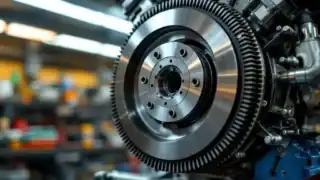
If replacement is needed, we fit quality OEM-equivalent or genuine parts that match your vehicle’s original specification. For many European makes, this means using engineered friction material that performs exactly as the manufacturer intended, not generic aftermarket stock. We also inspect and replace the release bearing, check the pilot bearing, resurface or replace the flywheel if necessary, and confirm all hydraulic lines and seals are sound.
The job is completed with bleeding the hydraulic system, adjusting any mechanical linkages, and a careful test drive to confirm smooth engagement and no slip under load. This is not a quick job, and we don’t rush it. A poorly executed clutch replacement can cause gearbox problems that cost far more than getting it right the first time.
What Affects Cost and Timeframe for European Clutch Work
The cost of European vehicles clutch replacement depends on several factors. The model and engine type matter, because some European vehicles require gearbox removal from underneath whilst others come apart from above. Parts availability can vary if your vehicle is older or less common in Australia. Whether the flywheel needs resurfacing or replacement, or if the hydraulic system needs repair, also affects the total cost and time required.
We work with quality parts brands and don’t cut corners with no-name friction material, but we’re also not charging dealership labour rates. You’ll receive a clear quote that explains what needs replacing and why, so there are no surprises. Some clutch jobs take a day, others take longer depending on what we find. We’ll let you know upfront what to expect.
Why Choose ZP Automotive for European Vehicles Clutch Work
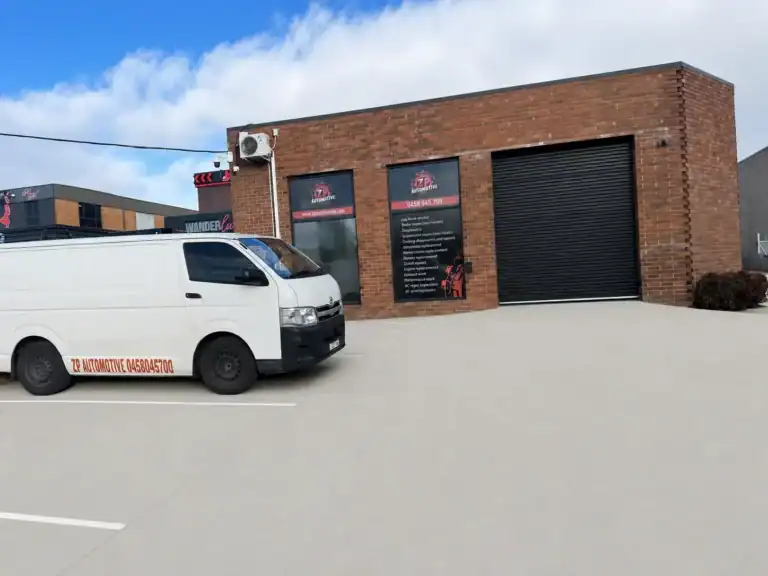
You’re dealing directly with a mechanic who has spent over 10 years working on European vehicles, not a service adviser reading from a checklist. We explain what’s wrong and what it’ll cost in plain English, and we tell you honestly if something can wait. Our workshop is independent and family-run, which means we have no quota system pushing us to upsell unnecessary work.
We use quality parts that are OEM-spec or genuine-equivalent for European makes, including Penrite oils and Rico components where relevant, and we stand behind our work. If you’ve had your vehicle serviced to our logbook schedule, your manufacturer warranty stays intact, even though we’re not a dealership. That’s genuine value compared to dealership rates and waiting times.
We also handle related work like engine diagnostics, air conditioning servicing, and ACT rego inspections, so if other issues come up during your clutch repair, we can address them without sending you elsewhere. Our 5.0 verified review rating reflects the care we take with every job.
European Vehicles Clutch Specialists in Mitchell
If your European vehicle is showing clutch symptoms, the sooner you get it diagnosed the better. ZP Automotive offers honest, transparent advice and quality workmanship that keeps your vehicle on the road safely. Call & Book Now to speak with our team, or claim your free inspection online. We’ll tell you exactly what’s happening and what it’ll cost to fix, with no pressure and no surprises.