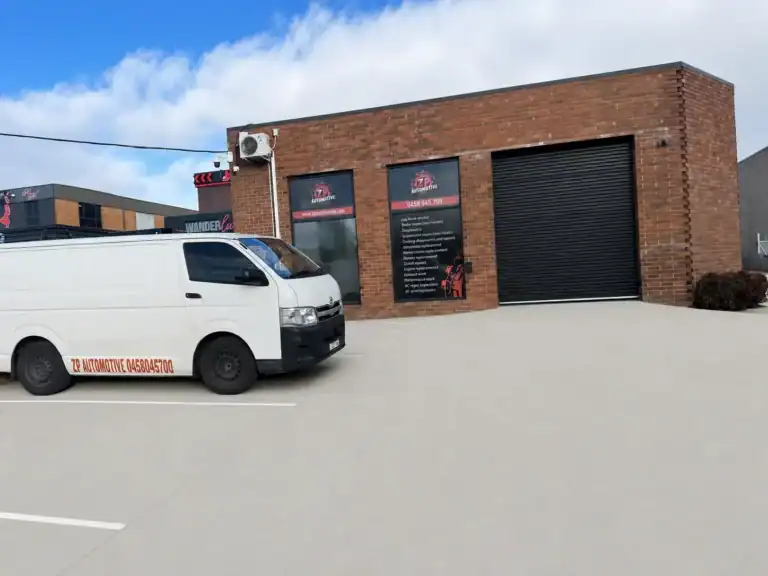
A clutch that slips, judders, or won’t fully disengage can leave you stranded or struggling on hills. Subaru clutch specialists in Mitchell understand the specific demands of Subaru’s boxer engines and how their weight distribution affects clutch wear patterns. Whether you drive a Forester, Outback, Impreza, or Legacy, clutch problems develop gradually, but once they take hold, the fix can’t wait. We diagnose and repair Subaru clutches with knowledge of how these vehicles are engineered, not guesswork.
Common Signs Your Subaru Clutch Needs Attention
Clutch wear usually announces itself before complete failure. The earlier you catch it, the easier the repair and the less damage you risk to the gearbox or flywheel.
- Soft or spongy clutch pedal that doesn’t engage the engine to the wheels firmly
- Slipping under acceleration, especially on hills or when merging
- Grinding, squealing, or rattling noises when you press the pedal
- Difficulty shifting into gear, particularly reverse or first
- Burning smell when accelerating or in heavy traffic
- Clutch pedal sits lower than normal or feels loose
- Engine revs but the car doesn’t accelerate as it should
Subaru drivers in the Mitchell area often notice these symptoms during winter commutes or when towing a trailer. Cold weather and load amplify clutch stress. If any of these sound familiar, claim your free inspection to identify the exact problem before it strands you on the side of the road.
What Makes Subaru Clutches Different
Subaru’s horizontally-opposed engine layout and all-wheel-drive systems place unique loads on the clutch. Subaru clutches are engineered to handle this, but they also wear at predictable intervals if you understand how to service them properly. A mechanic unfamiliar with Subaru’s specifications might overlook release bearing preload, hydraulic fluid condition, or flywheel resurfacing requirements specific to your model year and engine type.
We follow Subaru’s diagnostic and service protocols. That means we check not just the friction plate and pressure plate, but the flywheel condition, hydraulic slave cylinder operation, master cylinder function, and bell housing alignment. Subaru clutches also rely heavily on proper hydraulic pressure, so we inspect fluid condition and bleed lines carefully. Skipping these steps leaves you vulnerable to a repeat failure within months.
How We Diagnose and Repair Your Subaru Clutch in Mitchell
Diagnosis starts with a test drive and a physical inspection. We listen for noises, feel the pedal response, and assess how the clutch engages across the full range of motion. If diagnosis points to clutch wear, we lift the vehicle and inspect the bell housing, transmission mounts, and any visible wear patterns.
Repair typically involves removing the gearbox to access the clutch assembly. Once out, we inspect the flywheel for damage or excessive wear. If it’s beyond resurfacing limits, replacement is necessary. We fit quality parts aligned to Subaru’s OEM specifications. We use Penrite fluid and components that match your vehicle’s engineering, not budget alternatives that compromise performance or durability.
After installation, we bleed the hydraulic system thoroughly, test shift engagement across all gears, and verify the pedal feel before you drive away. A properly installed Subaru clutch should feel firm, responsive, and smooth across the full range of motion.
What Affects Repair Time and Cost
Several factors influence how long clutch work takes and what you’ll pay. Vehicle access and gearbox removal time vary by model year and engine configuration. A newer Subaru may require removal of additional underbody panels or ancillaries that older models don’t have. Flywheel condition is another variable. If it can be resurfaced to OEM standards, cost stays lower. If it needs replacement, the bill increases.
Parts availability also matters. OEM Subaru clutch kits are usually in stock or arrive quickly. Choosing OEM-spec parts rather than budget alternatives adds cost upfront but protects your investment. A cheap clutch may feel identical for a few thousand kilometres, then fail prematurely. We price fairly and explain these trade-offs plainly so you’re not blindsided.
We don’t quote exact timeframes because every clutch job is different. Some repairs finish in a day. Others, if the flywheel needs replacement or if hidden damage emerges during teardown, take longer. We’ll tell you what we find and what it means for your timeline before we proceed.
Why Trust Your Subaru Clutch to Our Mitchell Workshop
We’re an independent, owner-operated workshop run by someone with 10 years in the trade. We don’t use dealership labour rates or upsell scripts. You deal directly with the mechanic doing the work, not a service advisor. We diagnose honestly and explain what’s wrong, what it’ll cost, and what can wait.
We specialise in logbook servicing, engine diagnostics, brakes, wrong-fuel recovery, and roadside assistance. That foundation of diagnostic rigour carries into our clutch work. We don’t guess. We test, measure, and inspect to know exactly what needs to happen.
Our choice of quality parts and fluids like Penrite reflects our commitment to long-term vehicle health, not short-term profit. Your Subaru clutch repair will last because we do it properly the first time.
Book Your Subaru Clutch Inspection Today
If your clutch is slipping, grinding, or feeling soft, don’t put it off. A failing clutch can damage your gearbox and leave you stranded. Call and book now or claim your free inspection online to have your Subaru’s clutch assessed by someone who understands these vehicles in Mitchell.