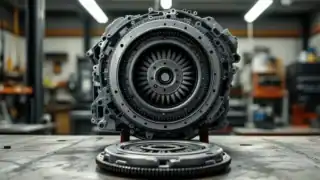
A Suzuki clutch that’s worn or failing will leave you stranded, and it rarely gives you a warning until the moment it fails completely. Whether you’re driving a Swift, Vitara, or any other Suzuki model around Mitchell, a clutch that slips, judders, or feels spongy underfoot needs professional attention soon. Suzuki clutch specialists understand the specific engineering of these vehicles, from how Suzuki calibres clutch engagement across their range to the parts and service schedules that keep them reliable. We inspect your clutch system thoroughly, identify what’s actually worn, and explain your options before you commit to any work.
What Does a Suzuki Clutch Do, and Why Does It Wear?
Your clutch is the link between the engine and gearbox. When you press the pedal, it disconnects the two. When you release it, they re-engage, transferring engine power to the wheels. The friction material on the clutch plate wears gradually with every gear change, especially in heavy traffic, city driving, or towing. Suzuki vehicles, particularly Swift and Jimny models, are popular around Mitchell for commuting and light off-road work, both of which can accelerate clutch wear. Over time, that friction material gets thinner, the plate becomes glazed, or the release bearing starts to fail. Once the clutch slips badly or won’t engage smoothly, the gearbox and engine aren’t talking to each other properly, and you lose power delivery or the ability to move at all.
When Do You Need Suzuki Clutch Replacement or Repair?
Watch for these clear warning signs:
- Slipping clutch: engine revs up but the car doesn’t accelerate, or you feel the revs climb without matching road speed
- Juddering or shuddering when engaging: the clutch grabs harshly, especially from a standstill
- Spongy or soft pedal: the clutch feels loose or takes a long distance to engage
- Burning smell: friction material overheating, often smelled after steep hills or heavy driving
- Difficulty shifting gears: the gearbox grinds or doesn’t select cleanly because the clutch isn’t fully disengaging
- Clutch stays down: you press the pedal and it won’t spring back to its resting position
Some of these symptoms appear suddenly; others develop over weeks. A clutch that’s beginning to slip won’t strand you immediately, but it’s a sign that replacement is coming soon. Continuing to drive with a failing clutch damages the friction material further and can eventually score the flywheel, which makes the repair more expensive.
What Affects Cost and Turnaround Time
Clutch replacement cost depends on several factors. The most significant is whether the flywheel needs resurfacing or replacement. A surface that’s only slightly worn can be skimmed; one that’s badly scored must be replaced, which adds to parts cost. The age and condition of the release bearing and pressure plate also matter. Some jobs require just the plate; others need the full assembly replaced. Parts availability for Suzuki vehicles is generally good, so we can usually source what’s needed quickly.
Labour time varies with the model and whether the gearbox removal is straightforward or complicated by other components. A Swift typically takes less time than a Vitara. We’ll give you a clear estimate before starting, and we don’t surprise you with hidden costs halfway through.
Turnaround depends on workload, but we’re direct with you about realistic timescales. We don’t rush clutch work, because a properly installed clutch will last another 100,000 kilometres or more.
How We Diagnose and Repair Your Suzuki Clutch
When you bring your Suzuki in, we start with a thorough inspection. We test clutch engagement, pedal feel, and how smoothly gears select. We check for leaks in the clutch fluid line, which is common on newer Suzuki models, or damage to the slave cylinder. We listen for release bearing noise and feel for any grinding or resistance. From there, we know whether you need a full clutch replacement, a fluid top-up and bleed, or repair to a supporting component.
For Suzuki vehicles that require full clutch replacement, we remove the gearbox to access the clutch plate, pressure plate, and release bearing. We inspect the flywheel surface. If it’s scored or damaged, it needs resurfacing or replacement. We fit quality parts that match Suzuki’s OEM specifications, not the cheapest no-name alternatives that fail within months. Once reassembled, we bed the new clutch in properly and test engagement and shift quality before you collect the car.
Suzuki’s engineering is straightforward, which means clutch work is predictable. We know the common failure points on Swift, Vitara, and other models in the Suzuki range, and we follow the manufacturer’s service schedule and torque specs to the letter. This approach keeps your Suzuki reliable and helps maintain your warranty coverage if you’re following a logbook service schedule.
Why Choose Our Mitchell Workshop for Suzuki Clutch Work
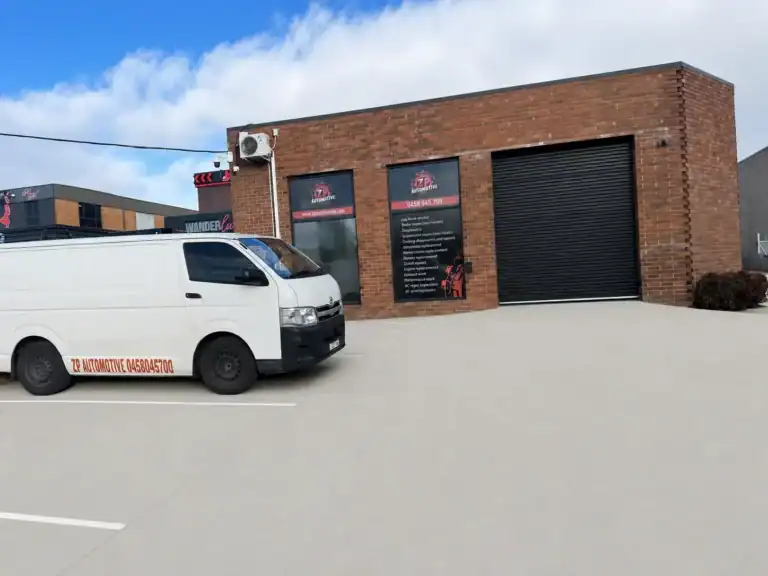
We’re an independent workshop run by Brendan, who brings over 10 years of hands-on experience to every job. You deal directly with the mechanic doing the work, not a service adviser with an upsell script. We use quality parts and oils, Penrite for fluids and Rico plus OEM-equivalent parts for clutch components. We’re honest about what needs doing, what can wait, and what doesn’t need doing at all. Fair, transparent pricing without dealership labour rates means you’re not subsidising a showroom and corporate overhead.
If you’re running a logbook service schedule to keep your Suzuki’s manufacturer warranty intact, we handle those services too. We don’t cut corners, and we explain everything in plain English before we start. We also service brakes, air conditioning, and handle engine diagnostics for Suzuki vehicles across Mitchell.
Get Your Suzuki Clutch Inspected in Mitchell Today
If you’re noticing signs of clutch wear or you want a professional inspection before the problem worsens, claim your free inspection online or call and book now. We’ll check your clutch system thoroughly and give you honest advice on what your Suzuki needs.