A slipping or grinding clutch can bring your Chinese vehicle to a standstill, and for owners in Mitchell, knowing what’s actually happening under the bonnet is half the battle. Whether you drive a GWM, Chery, JAC, or another Chinese brand, the clutch is what lets you smoothly engage the engine with the gearbox every time you change gear. Chinese Vehicles Clutch Specialists understand that these vehicles have specific design tolerances and wear patterns that differ from European or Japanese imports, which is why diagnosis and repair need to account for how your particular model behaves. We’ve worked on enough Chinese vehicles to recognise the early signs of clutch wear and know the best approach to get you back on the road safely and affordably.
Warning Signs Your Clutch Needs Attention
A failing clutch rarely announces itself with a dramatic failure. Instead, you’ll notice incremental changes in how your car feels when you accelerate or shift gears. Pay attention to these symptoms:
- A burning smell when you accelerate, especially uphill or in heavy traffic
- The engine revving higher than normal without the car speeding up (slipping)
- Difficulty engaging first gear or reverse, or the car jerking when you release the clutch
- A soft or spongy clutch pedal that doesn’t return to its resting position quickly
- Grinding or squealing noises when the clutch is fully engaged
- The car jumping forward unexpectedly when you release the clutch
These signs don’t always mean a complete clutch replacement is imminent, but they do mean your clutch system needs a professional inspection. Some issues, like a hydraulic leak in the clutch master cylinder, can be caught and fixed before damage spreads to the friction plate itself. Others, like glazing or wear on the pressure plate, require full replacement of the clutch assembly. The sooner you get it checked, the more options remain available to you.
How We Diagnose and Repair Chinese Vehicles Clutch Issues in Mitchell
When you bring your Chinese vehicle in, we start with a full clutch system inspection. This isn’t just a quick spin around the block. We’ll check the hydraulic fluid level and condition in the master and slave cylinders, inspect the clutch pedal travel and feel, and perform a test drive that replicates the conditions where you’ve noticed the problem. Many Chinese brands use compact engine bays and slightly different hydraulic routing than mainstream imports, so we pay close attention to potential leak points and hose configurations specific to your vehicle’s design.
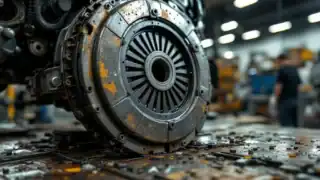
If the hydraulic system is sound, we’ll move to a more detailed assessment of the friction plate, pressure plate, and flywheel. On some Chinese models, the flywheel can wear faster than expected if the vehicle has been subjected to heavy city driving or towing. We check for scoring, heat damage, and uneven wear patterns that tell us whether the clutch failed due to normal wear or a secondary problem like a worn gearbox bearing or misaligned flywheel.
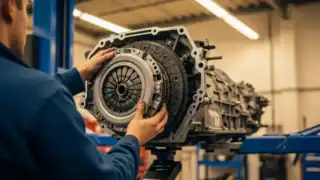
Depending on what we find, repair options range from a hydraulic fluid top-up and bleed (if air has entered the lines) to a full clutch kit replacement that includes the friction plate, pressure plate, release bearing, and often the flywheel. For Chinese vehicles, we source parts that match OEM specifications without charging dealership prices. Quality matters here because the clutch is a high-wear component, and second-rate parts fail faster and cost more to replace a second time.
What Affects Repair Cost and How Long It Takes
Several factors shape the final bill and time required. First is diagnosis. A clutch that’s simply losing grip might need only friction plate replacement; a clutch where the pressure plate is damaged or the flywheel is scored requires a broader overhaul. Second is parts availability. Most Chinese vehicle clutch kits are readily available in Australia, but some older models or specific variants may need lead time. We’ll let you know upfront if parts need ordering rather than springing surprises later.
Labour time varies with the vehicle. Some Chinese models have tight engine bays that make clutch removal more fiddly than others, and if the flywheel needs machining or replacement, that adds time. We also consider whether you’ll benefit from replacing the hydraulic components at the same time; sometimes a small additional cost during the job saves you a repeat visit down the road. We discuss these trade-offs honestly with you before we start work, and we don’t charge you to think about it.
Why Mitchell Owners Trust Us With Their Chinese Vehicle Clutch
We’ve been working on cars for over 10 years, and Chinese vehicles have become a bigger part of our daily work. Unlike larger service chains, you’re dealing directly with the mechanic doing the work, not a service advisor reading from a script. That means your questions get straight answers, and decisions about whether to replace the flywheel or just the friction plate come down to what’s actually best for your car and your wallet, not what maximises our invoice.
We use quality parts and fluids; Penrite and Rico for oils and hydraulic fluids, not the cheapest no-name stock. A clutch repair that fails prematurely doesn’t help either of us, so we build jobs to last. Pricing is transparent and fair. We won’t charge you dealership labour rates for work that doesn’t require dealership complexity, and we’ll explain what something costs and why before we do it.
Ready to Book Your Clutch Inspection?
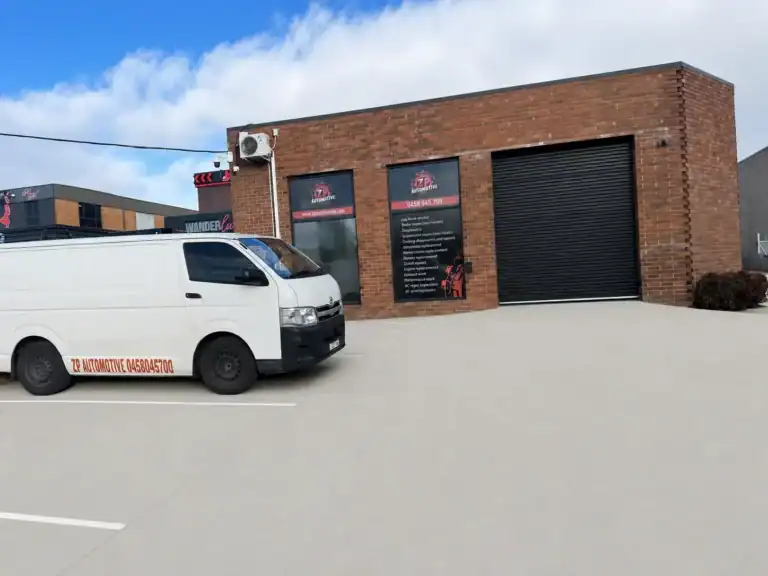
If your Chinese vehicle’s clutch is slipping, grinding, or feeling soft, don’t wait until it fails completely on the road. Call & Book Now or Claim Your Free Inspection online. We’ll get your car on the ramp, find out what’s actually happening, and explain your options in plain English. ZP Automotive is ready to help you get your Chinese vehicle back in reliable working order.