A clutch that’s starting to slip, grind, or feel soft underfoot is a sign your European vehicle needs attention. European vehicles clutch repair in Mitchell starts with understanding what’s actually happening under the bonnet. The clutch is a wear item, and European cars tend to signal trouble clearly if you know what to listen for. At ZP Automotive, we diagnose and repair clutch issues in European vehicles before a partial failure becomes a complete breakdown on the road.
Signs Your European Vehicle Clutch Needs Repair
European vehicles often exhibit specific clutch symptoms that differ slightly from other makes. A soft or spongy clutch pedal, especially one that doesn’t return sharply, points to hydraulic wear or air in the system. A burning smell when you engage the clutch, particularly during hill starts or heavy traffic, suggests the friction material is glazing or wearing unevenly. A grinding noise when you depress the pedal typically means the release bearing is failing.
- Clutch pedal feels soft, vague, or travels too far before engagement
- Burning smell when pulling away or climbing hills
- Difficulty selecting gears, especially first or reverse
- Grinding or rattling noise when the pedal is depressed
- Clutch slips under load (engine revs but car doesn’t accelerate proportionally)
- Shuddering or juddering when the clutch engages
Many European owners wait too long to address these signs, thinking they can manage the problem. In reality, a worn clutch degrades rapidly once symptoms appear. Waiting increases the risk of the clutch failing completely, which leaves you stranded and often requires a tow.
How European Vehicles Clutch Repair Works
Our approach to European vehicles clutch repair begins with a thorough diagnostic. We don’t assume a full clutch replacement is needed until we’ve inspected the system properly. European vehicles, particularly those with dual-mass flywheels or condition-based service schedules, require careful attention to what’s actually worn and what’s still serviceable.
First, we inspect the clutch hydraulic system. Many European vehicles use sophisticated clutch control systems, and sometimes the issue is simply air in the slave cylinder or a worn master cylinder seal, not the friction plate itself. If the pedal feels wrong, we bleed the system and test pressure. This alone solves the problem in a significant number of cases and costs far less than a full clutch kit.
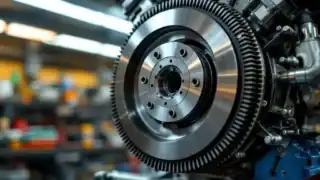
If the hydraulic system is sound, we move to mechanical inspection. This involves either road testing to assess engagement and slip, or in some cases, removing the gearbox to inspect the clutch plate, release bearing, and flywheel directly. European vehicles often have dual-mass flywheels designed to reduce vibration, and these can fail independently of the friction material. We assess whether the flywheel needs resurfacing, replacement, or can continue safely.
Once diagnosis is complete, we explain exactly what’s worn, what needs replacing, and what’s acceptable to leave. We don’t replace parts that aren’t necessary, and we don’t assume OEM parts are always required if quality aftermarket equivalents meet the manufacturer’s specification.
What Affects Cost and Repair Time for European Clutch Repair
Labour time varies significantly depending on the vehicle platform. Some European clutches are accessible without removing the gearbox; others require almost complete separation of the engine and transmission. A straightforward clutch replacement on an older European model might take six to eight hours. A newer vehicle with integrated electronics or a complex dual-mass system could take longer.
Parts availability also affects timeline. We use quality parts that meet the manufacturer’s specification, whether OEM or genuine-equivalent. If a particular component needs ordering, we order it promptly and keep you informed. We don’t charge parts-on-hold fees or rush charges; we charge a fair rate for the work and the parts needed.
Hydraulic repairs are faster and less expensive than clutch plate replacement. If the issue is a worn master cylinder or air in the system, we can often complete the repair in an afternoon. If a full clutch assembly replacement is necessary, budget for a day or two depending on the vehicle and parts availability.
Why European Vehicles Deserve Specialist Attention in Mitchell
European vehicles have specific diagnostic protocols and parts requirements. We understand the differences between a straightforward friction-plate replacement and the more complex considerations that come with dual-mass flywheels, electronic clutch control systems, or manufacturer-specific service schedules. Ten years in the trade means we’ve seen the common failure patterns in European vehicles and what actually matters versus what’s cosmetic.
We deal directly with you, the vehicle owner. You’re not paying dealership labour rates or sitting through an upsell pitch. You explain what’s happening with the car, we diagnose it honestly, and we tell you what needs doing, what it’ll cost, and what can wait. That straightforward approach is why owners in the Mitchell area come back for clutch repairs, logbook servicing, air conditioning work, and ACT rego inspections.
Quality parts matter here. We use Penrite fluids and Rico parts where they meet the specification, not the cheapest no-name stock. A clutch repair isn’t the place to cut corners. You need parts that last and a job done properly the first time. Our 5.0 verified reviews reflect the care we take with every European vehicle that comes through the workshop.
Book Your European Clutch Repair Inspection Today
If your European vehicle is showing clutch symptoms, Call & Book Now or Claim Your Free Inspection online. We’ll diagnose the issue, explain what’s needed, and give you a clear picture of cost and time before we start work. No surprises, no pressure, just honest advice and quality work for Mitchell vehicle owners.