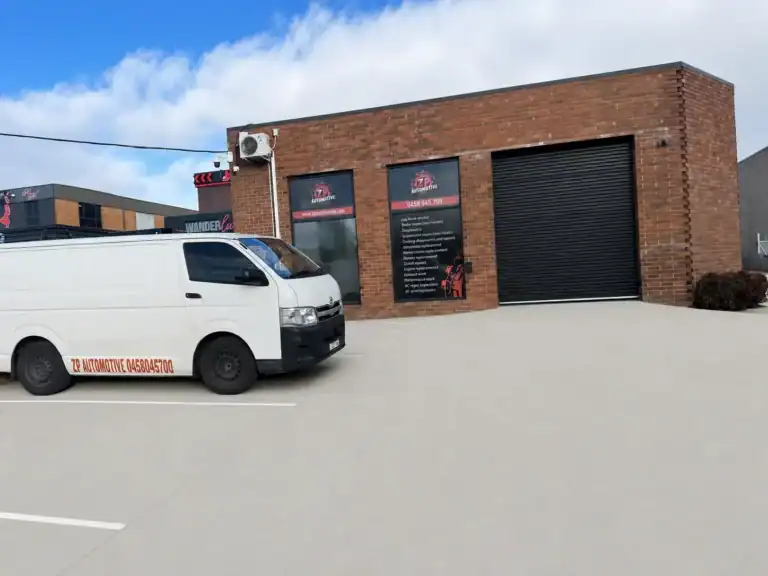
BMW clutch repair is one of those services that separates genuine mechanical insight from guesswork. A worn or failing clutch in a BMW isn’t always straightforward — the symptoms can creep up gradually, or they can announce themselves suddenly when you’re merging on the motorway. At ZP Automotive in Mitchell, we’ve spent over a decade diagnosing and repairing clutch issues across BMW models, and we understand how BMW engineers clutch systems differently than many other manufacturers. This page explains what’s actually happening when your clutch starts to fail, what we do to fix it, and how we approach the repair without the dealership markup.
Signs Your BMW Clutch Needs Attention
BMW clutches typically give you warning signs before they fail completely, though the timeline varies depending on your driving style and how hard you use the car. The most common symptoms we see in Mitchell include:
- A spongy or soft clutch pedal that doesn’t feel firm when you press it
- The clutch bites much higher than it used to, closer to the top of the pedal travel
- Difficulty engaging gears smoothly, especially when cold
- Slipping under acceleration, where the engine revs rise but the car doesn’t respond proportionally
- A burning smell that gets stronger during heavy traffic or hills
- Grinding noise when you press the clutch pedal
If your BMW is showing any of these, the clutch itself may be worn, but the issue could also be your slave cylinder, master cylinder, or hydraulic fluid — all of which are part of the same system. This is why proper diagnosis matters before you commit to a full replacement.
How We Diagnose BMW Clutch Problems
BMW’s condition-based servicing schedule doesn’t mandate clutch replacement at a set interval like older vehicles do. Instead, the clutch is considered a wear item, and how long it lasts depends on driving habits, traffic conditions, and whether you’ve been hammering the gears or treating them gently. Our diagnostic approach starts with a road test to feel how the clutch behaves under real conditions — not just on a hoist.
We also inspect the hydraulic system. Many BMW clutch failures aren’t actually clutch plate wear; they’re fluid leaks or air in the line that reduce pressure to the slave cylinder. We check for leaks around the master and slave cylinders, measure pedal resistance, and confirm whether the issue is mechanical wear or hydraulic failure. This distinction matters because it changes what parts we need and how long the repair takes.
For newer BMW models with dual-mass flywheels (which most BMW clutches use), we inspect the flywheel for wear or damage. A worn flywheel can cause new clutch plates to wear prematurely, and sometimes the flywheel itself needs resurfacing or replacement alongside the clutch. This is a BMW-specific consideration that doesn’t apply to simpler single-mass designs in older cars.
What’s Involved in a BMW Clutch Repair or Replacement
Once we’ve confirmed the clutch is the problem, the repair involves removing the transmission to access the clutch assembly. On most BMW models, this is labour-intensive work that typically takes a full day or more, depending on accessibility and what else needs attention.
During the job, we replace the clutch plate and pressure plate as a pair, inspect or resurface the flywheel, and replace the clutch release bearing. If the slave or master cylinder shows signs of leakage or wear, we address those as well. We use quality OEM-specification parts or genuine-equivalent replacements that match BMW’s engineering standards — not the cheapest aftermarket options. We also flush and refill the hydraulic fluid to remove moisture and air that can cause future problems.
We keep your manufacturer warranty intact throughout the process. If your BMW is still under warranty, logbook servicing and owner-authorised repairs by qualified independent mechanics don’t void your coverage in Australia, provided the work meets OEM standards. We document everything clearly so you have a complete service history.
What Affects Cost and Turnaround Time
BMW clutch repair costs vary based on several factors. The model year and engine type affect how accessible the clutch is — some BMW models require more disassembly than others. Whether we’re just replacing the clutch plate or also addressing the flywheel, slave cylinder, or master cylinder changes the scope significantly. Parts availability also plays a role; genuine BMW parts or quality equivalents may need to be ordered, which can add a few days if you need the job done urgently.
Turnaround time typically ranges from one to three working days, depending on complexity and parts delivery. We’re honest about what we find before we start, so you’ll know the full picture — and the full cost — before labour begins. No surprise invoices, no pressure to approve work beyond what’s necessary.
Why Choose ZP Automotive for Your BMW Clutch Repair in Mitchell
We’re an independent, owner-operated workshop with over 10 years in the trade. You deal directly with the mechanic doing the work — no service adviser, no upsell scripts, and no dealership labour rates. We understand BMW systems thoroughly, use quality parts like Penrite oils and fluids, and price our work fairly without the dealership premium.
We specialise in logbook servicing that keeps your warranty intact, engine diagnostics, and general repairs like clutch work. Our Mitchell workshop serves the local area and surrounding regions, and we’ve built our reputation on honest advice and transparent pricing. We’ll explain what’s wrong, what it costs, and what can wait. Whether you’re dealing with a slipping clutch, hydraulic issues, or flywheel wear specific to your BMW model, we have the experience and diagnostic capability to get it right the first time.
Ready to get your BMW clutch inspected? Call & Book Now to speak with us directly, or Claim Your Free Inspection to discuss your symptoms and get a clear picture of what needs to happen next.